Iranian officials have warned that a diplomatic agreement with the United States remains distant, and that the Strait of Hormuz will stay closed until Washington removes its blockade of Iranian ports, according to a report by Euronews.
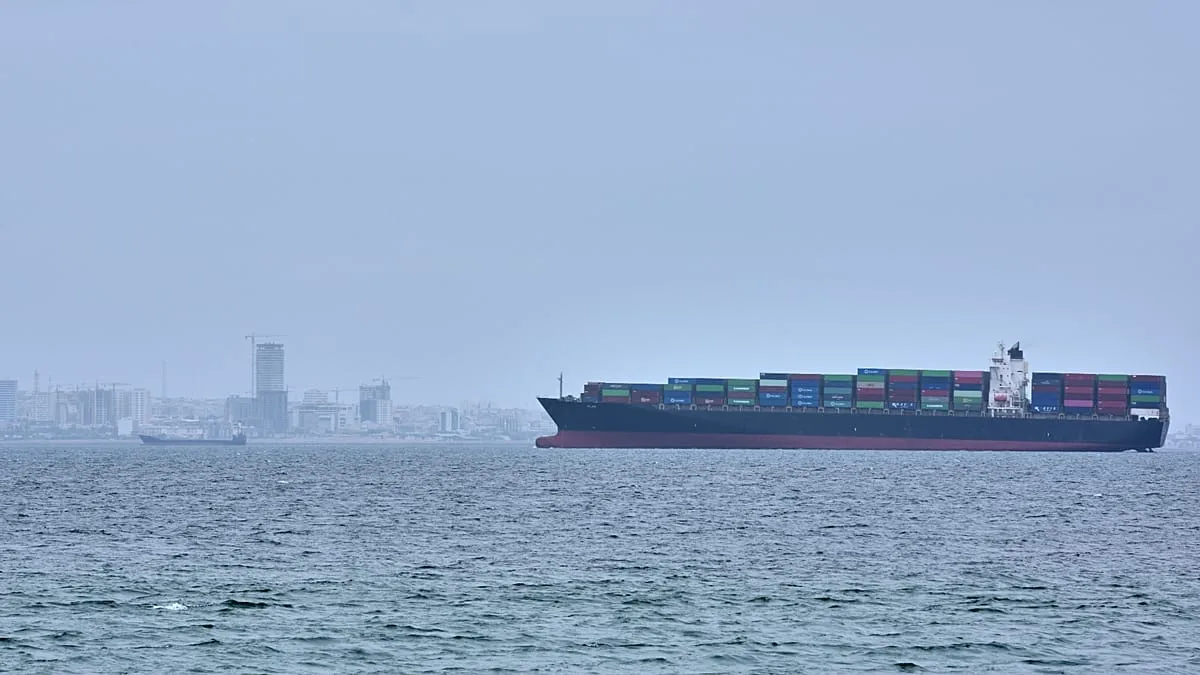
The Strait of Hormuz, a narrow waterway between Iran and Oman, is one of the world's most critical shipping corridors. Roughly 20 percent of global oil supplies pass through the strait, making its continued closure a significant concern for international energy markets and global trade.
Negotiations at an impasse
Iranian officials characterized ongoing talks with the United States as stalled, offering no clear timeline for a resolution. The stance signals a hardening of Tehran's position, as the country frames the closure of the strait not as an act of aggression but as a direct response to American economic pressure.
Iran has explicitly linked the reopening of the waterway to concrete action from the US side - specifically the removal of what Tehran describes as a blockade on its ports. The United States has maintained and expanded sanctions on Iran, which have severely restricted the country's ability to export oil and conduct international trade.
Global implications
The continued closure of the Strait of Hormuz has raised alarm among energy importers across Asia, Europe, and beyond. Nations that rely heavily on Gulf oil shipments face potential supply disruptions and rising fuel costs the longer the standoff continues.
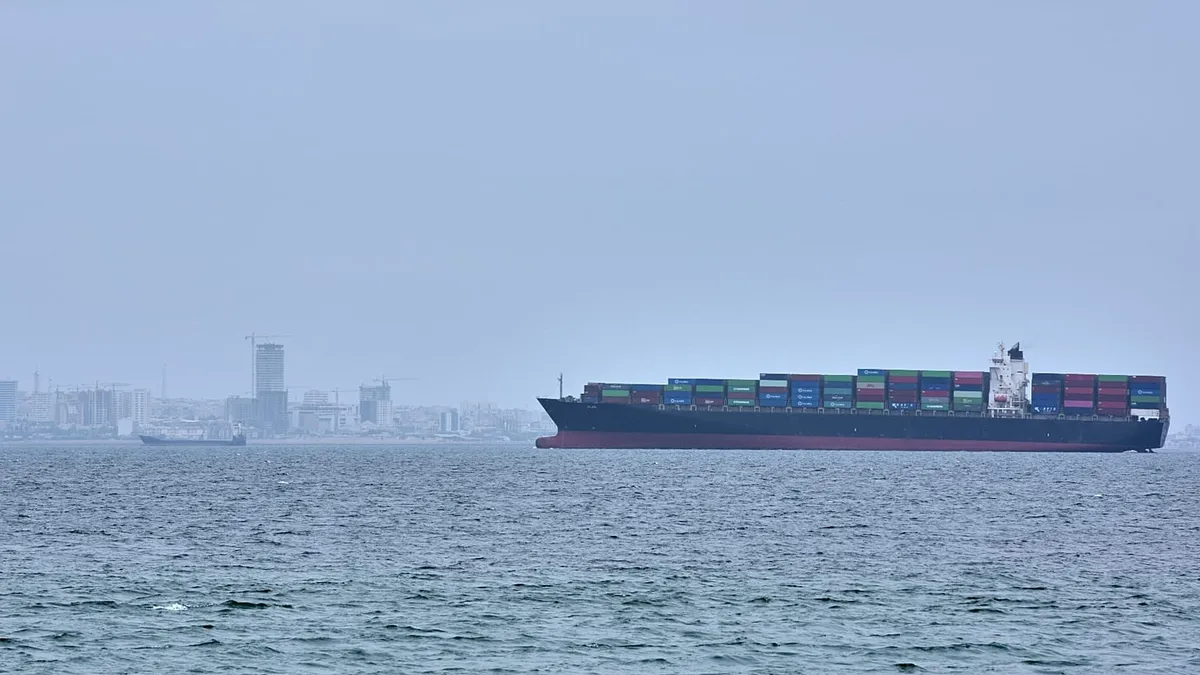
Shipping companies have been forced to consider longer and more expensive alternative routes, while insurance premiums for vessels operating in the region have climbed sharply in recent weeks.
Competing positions
Washington has not publicly acknowledged the port blockade framing put forward by Tehran. The US has maintained that its sanctions regime is a legal tool of economic diplomacy aimed at curbing Iran's nuclear program and regional influence.
Iran, for its part, has argued that its actions in the strait are a proportional response to what it calls economic warfare. Iranian officials have shown no indication of backing down absent a tangible concession from the United States.
Diplomatic observers note that both sides appear to be waiting for the other to make the first move, a dynamic that has characterized past episodes of US-Iran tension and one that rarely resolves quickly.
The situation continues to evolve, with no confirmed date for resumed high-level negotiations between the two countries, according to the Euronews report.