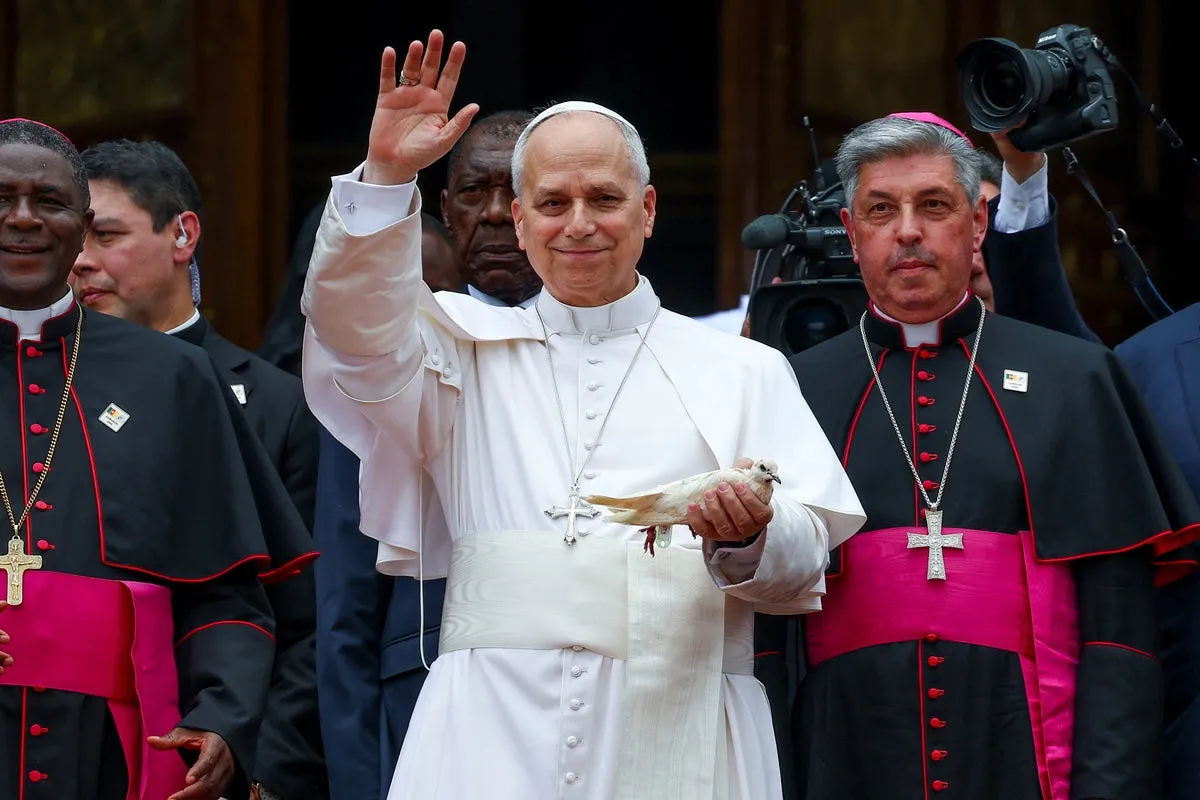
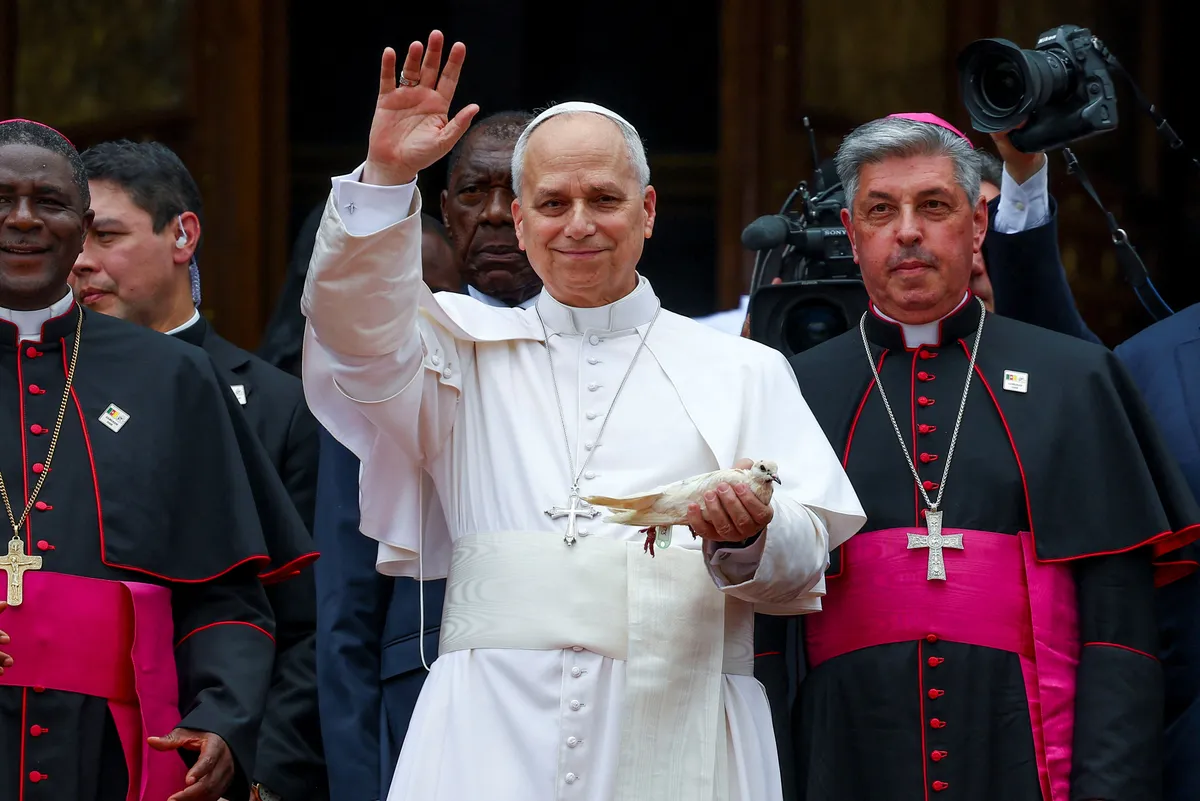
Pope Leo has declared that the world is being "ravaged by a handful of tyrants" and condemned leaders who prioritise military spending over human welfare, according to reporting by The Independent. The remarks came amid an escalating public dispute between the newly elected pontiff and US President Donald Trump.
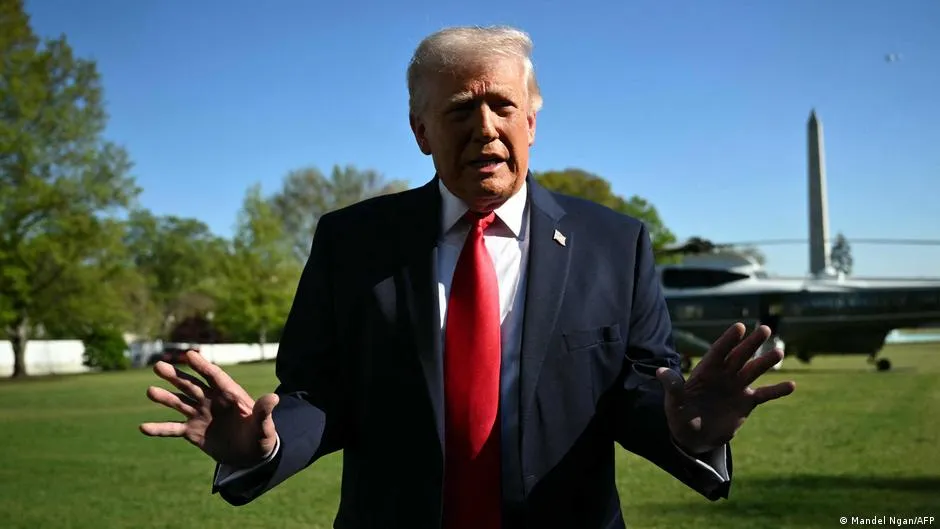
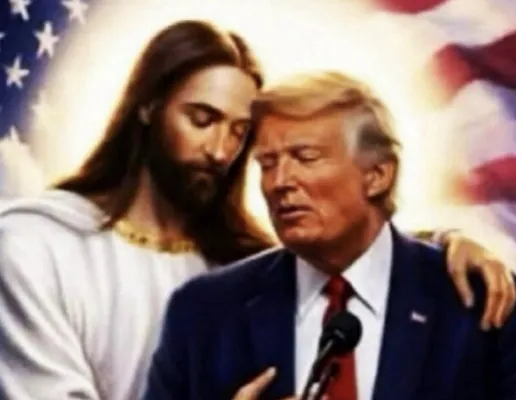
The pope's comments, which targeted unnamed leaders who spend "billions on wars," were widely interpreted in the context of his worsening relationship with the US president. Trump had previously attacked Pope Leo on his Truth Social platform, marking an unusual and high-profile clash between the American head of state and the leader of the Roman Catholic Church.
A public dispute with global resonance
The exchange between Trump and Pope Leo has drawn international attention, given the influence both figures command across large portions of the global population. The Catholic Church counts more than 1.3 billion members worldwide, while Trump's statements carry significant weight in both domestic and international political discourse.
Pope Leo's criticism of leaders who funnel resources into warfare rather than human needs aligns with a broader tradition of Catholic social teaching that emphasises peace, poverty relief, and the dignity of human life. However, the directness and timing of the remarks - coming after Trump's public attacks - have given the statements a pointed political dimension.
Context and background
Pope Leo, who was elected to lead the Catholic Church following the death of Pope Francis, has signalled from early in his papacy a willingness to engage on geopolitical and humanitarian issues. His language around "tyrants" and war spending suggests a continuation of the Vatican's long-standing concern with global conflict and inequality.
The Trump administration has not publicly responded to the pope's latest remarks, according to available reporting. However, the ongoing nature of the dispute suggests further exchanges between the two camps remain possible.
The Independent reported the story amid a broader pattern of tension between the Vatican and certain Western political figures who have clashed with Church leadership over issues including migration, climate change, and international conflict.
The dispute also reflects deeper questions about the role of religious institutions in commenting on political leadership and the degree to which heads of state and heads of church can - and should - engage in public disagreement at the global level.