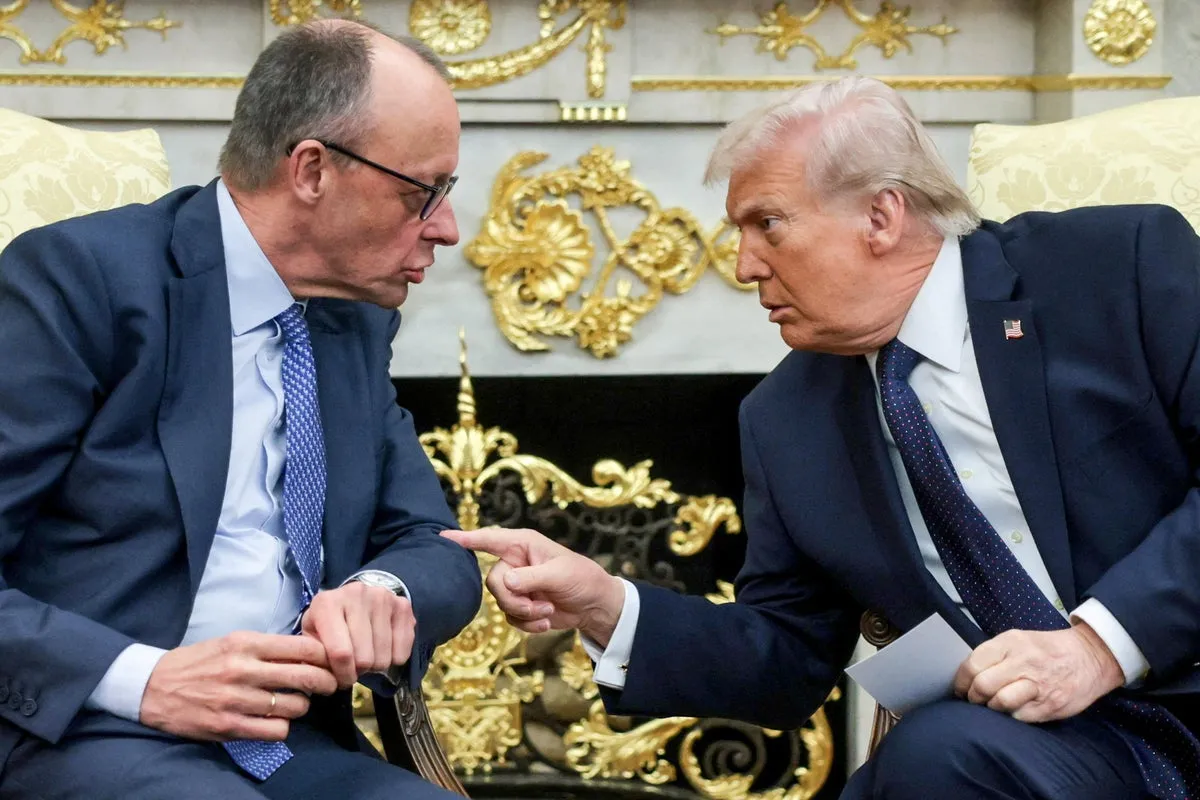
The Trump administration has ordered the withdrawal of thousands of United States troops stationed in Germany, according to reporting by The Independent, escalating tensions between Washington and Berlin following a public dispute with German Chancellor Friedrich Merz.
A senior Pentagon official described recent rhetoric from Germany as 'unhelpful,' signaling that the decision carries a deliberate diplomatic dimension beyond any purely strategic military rationale.
A deteriorating relationship
The move comes amid broader friction between the Trump administration and several European governments over defense spending, trade policy, and the war in Ukraine. The falling-out with Merz represents a notable development, as the German chancellor had initially been viewed as a more pragmatic interlocutor with Washington compared to his predecessor Olaf Scholz.
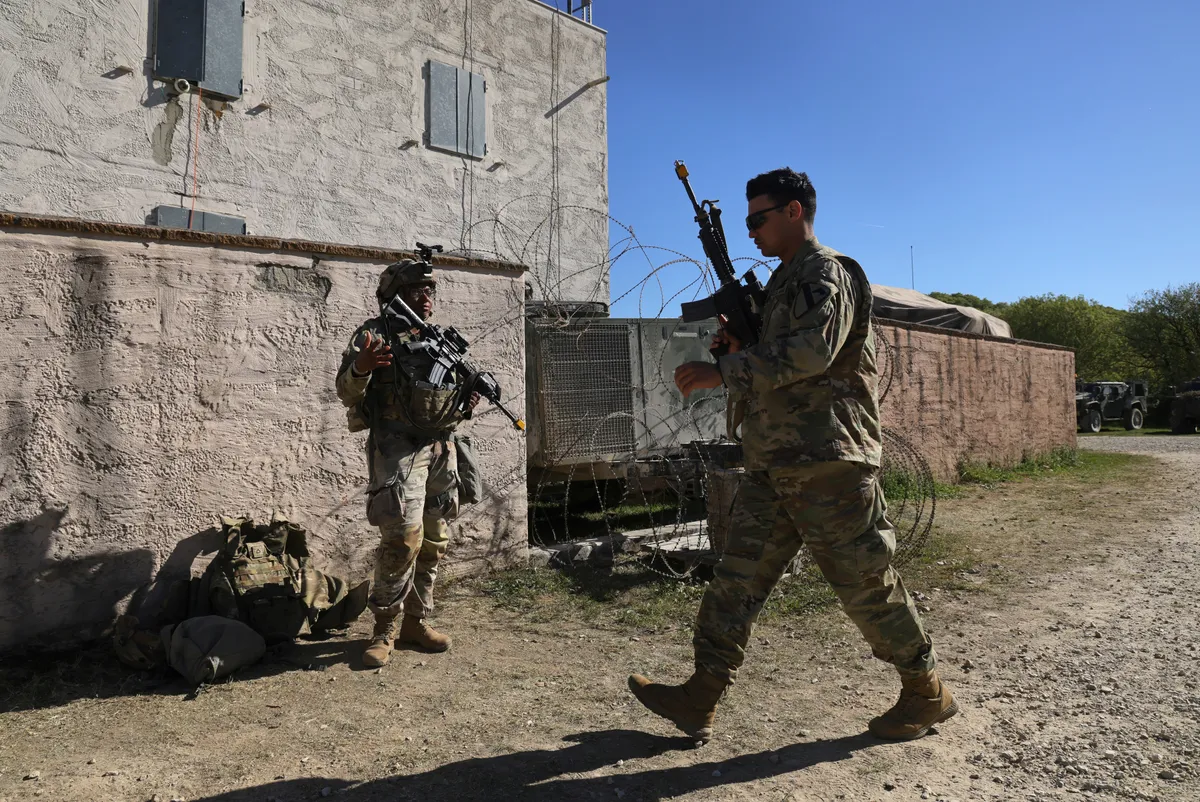
Germany currently hosts one of the largest concentrations of American military personnel in Europe, a presence that dates back to the post-World War II era and which has long served as a cornerstone of NATO's collective defense posture on the continent.
European security implications
A significant reduction of US forces in Germany would have wide-ranging consequences for NATO's eastern flank, particularly at a time when the alliance is focused on deterring further Russian aggression following the invasion of Ukraine. European officials have repeatedly urged the United States to maintain its military commitments to the continent.
The announcement adds to a pattern of friction between the Trump administration and European partners. Washington has pressed NATO members to increase their individual defense contributions, and several European governments have accelerated military spending in response to uncertainty about the reliability of the American security guarantee.
Washington's position
The Pentagon's characterization of German statements as 'unhelpful' suggests the troop withdrawal decision is at least partly retaliatory in nature, though officials have not provided a detailed public accounting of their reasoning. The specific number of troops affected, the timeline for any drawdown, and whether the redeployment is permanent or temporary had not been fully clarified at the time of reporting.
The German government's response to the announcement was not detailed in the source material available at the time of publication.
The development is likely to intensify debate within Europe about the need for greater strategic autonomy and independent defense capacity, a conversation that has gained momentum since Trump's return to the White House.