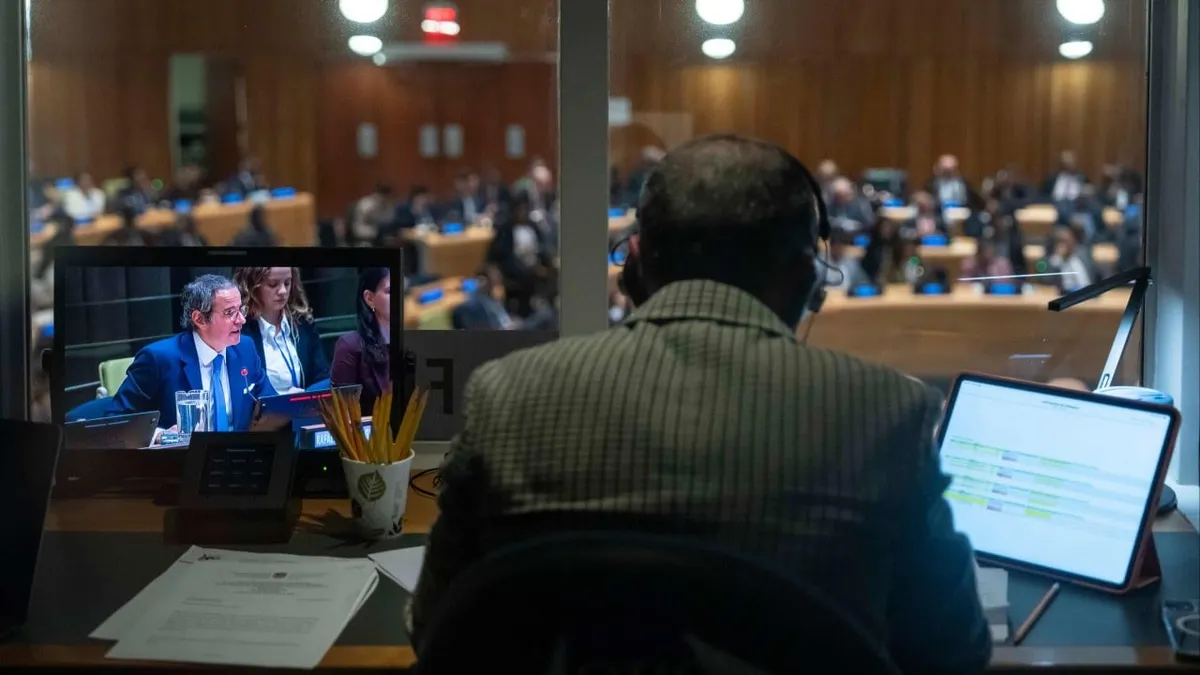
The contest to lead the United Nations entered a more formal phase this week as the four declared candidates underwent lengthy interview sessions spanning two days, with questions about the organization's relevance and capacity for reform dominating the proceedings.
The central question put to candidates - whether the UN can be made effective again - reflects widespread concern among member states about the global body's ability to address modern crises, from armed conflicts to climate change and humanitarian emergencies.
Candidates face scrutiny
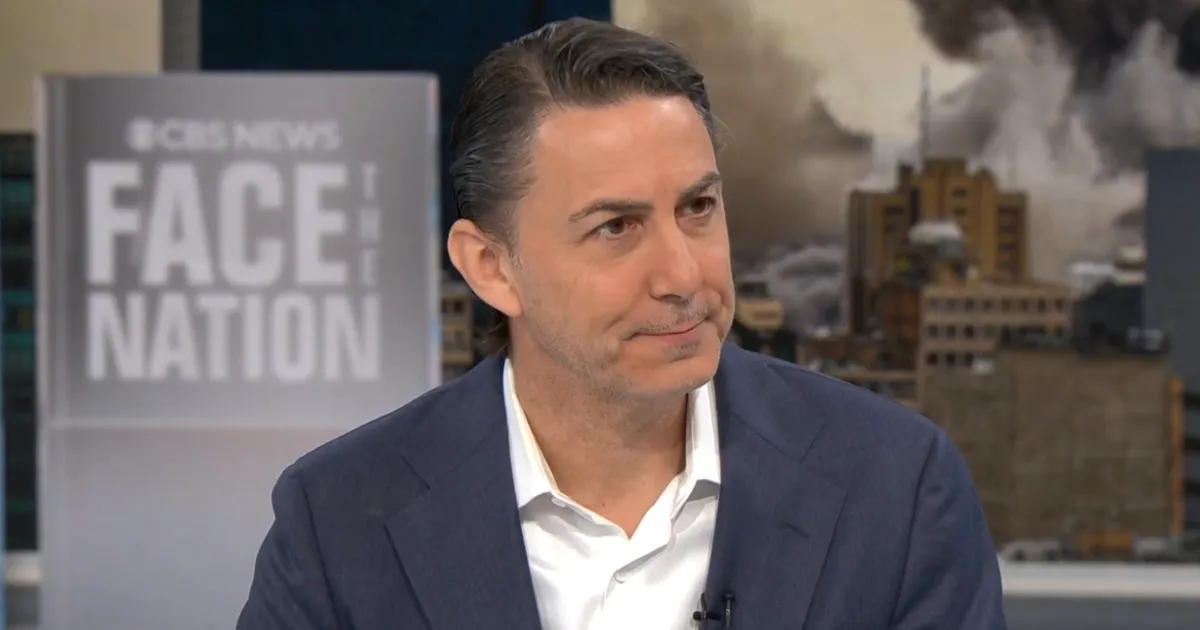
Rafael Grossi, an Argentine diplomat currently serving as director general of the International Atomic Energy Agency, offered a sobering assessment of the UN's trajectory during his interview for the position being vacated by Secretary-General António Guterres.
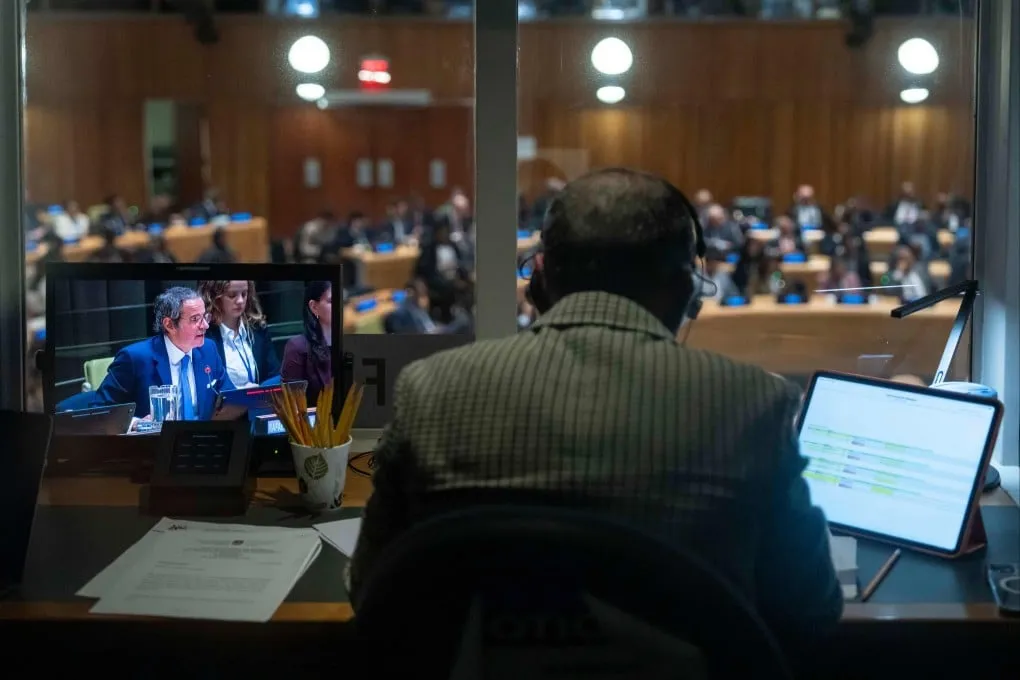
Grossi characterized the selection process itself as carrying significant weight, signaling that the stakes of this leadership transition extend beyond a routine institutional handover, according to reporting by the South China Morning Post.
The interview format gave member states and observers a structured opportunity to assess how each candidate would approach the job, with reform of the UN's working methods and its role in international diplomacy expected to be recurring themes throughout the process.
A pivotal transition
The UN secretary-general position is widely regarded as one of the most complex leadership roles in international affairs, requiring the occupant to navigate competing interests among 193 member states while managing a vast bureaucracy and responding to global emergencies.
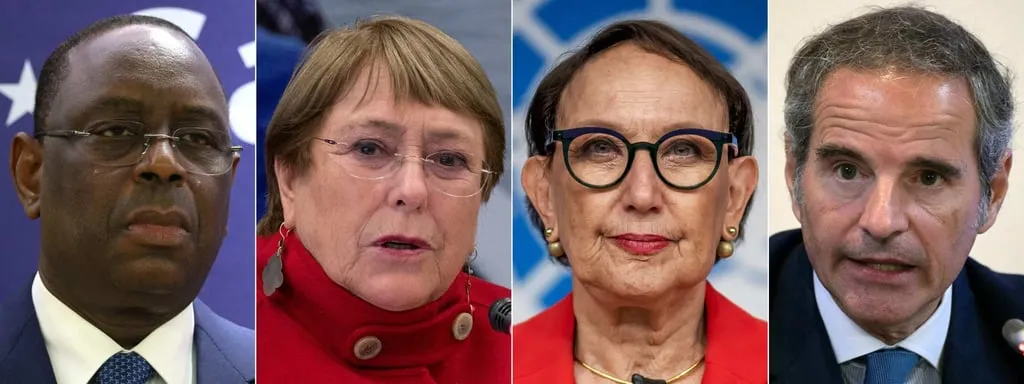
Guterres, who has held the position since 2017 and served a second term beginning in 2022, has frequently spoken about the need to reform the UN system, including its Security Council, where veto powers held by the five permanent members - the United States, China, Russia, France, and the United Kingdom - have repeatedly blocked collective action on major conflicts.
The selection process for the secretary-general is ultimately decided by the Security Council, which recommends a candidate to the General Assembly for formal appointment. This structure means the preferences of the permanent five members carry substantial influence over the final outcome.
Reform expectations high
Candidates in this cycle are expected to articulate clear visions for strengthening the UN's operational capacity and political authority at a time when multilateral institutions face skepticism from several major governments.
The first round of interviews marks an early but significant stage in a process that is likely to extend over several months before a successor to Guterres is confirmed.