Iranian workers are confronting widespread job losses and rapidly rising prices as the country's domestic economy buckles under the pressures of ongoing conflict, according to reporting by France 24.
Mass layoffs have swept across multiple sectors of the Iranian economy, with destroyed infrastructure compounding the crisis by disrupting business operations and supply chains throughout the country.

Internet blackouts have added another layer of hardship, cutting off workers and businesses from digital commerce and communications at a time when economic activity is already severely constrained.
Ripple effects beyond Iran's borders
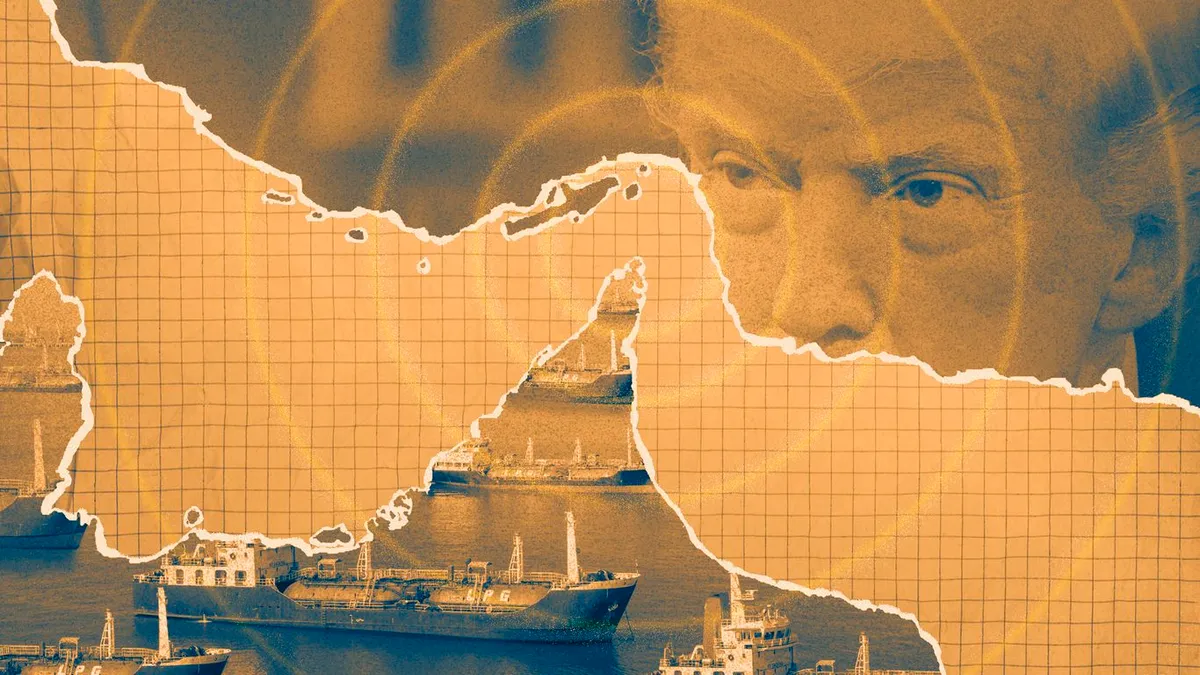
The economic turmoil in Iran is producing consequences that extend well beyond the country's borders. The closure of the Strait of Hormuz, one of the world's most critical maritime trade routes, has disrupted global supply chains in unexpected sectors.

Among those affected is the global condom industry, which has faced significant supply chain disruptions tied to the strait's closure, France 24 reported. The Strait of Hormuz handles a substantial share of global oil shipments and serves as a vital passage for goods moving between Asia and Western markets.
US political dimension
The economic fallout from the conflict has also created political friction in Washington. US senators have questioned Donald Trump's nominee for Federal Reserve chair, with the situation in Iran and its effects on global markets forming part of a broader economic backdrop to those hearings, according to France 24.

The Federal Reserve's leadership is considered particularly consequential at a time when global economic instability, partly driven by Middle East tensions, is influencing inflation and monetary policy decisions in the United States and elsewhere.
A population under pressure
For ordinary Iranians, the combination of layoffs, inflation, and disrupted services represents a severe deterioration in living standards. Destroyed infrastructure has hampered the basic functioning of businesses and public services, while internet restrictions have limited access to information and economic opportunities.
Iran's economy was already under significant strain from years of international sanctions before the current conflict escalated conditions further. Analysts have noted that compounding crises - including currency devaluation and reduced oil export revenues - leave the government with limited tools to cushion the blow for workers and households.
The full economic toll of the conflict on Iran's workforce and broader economy continues to develop, with France 24 reporting that the situation remains fluid as fighting and its associated disruptions persist.