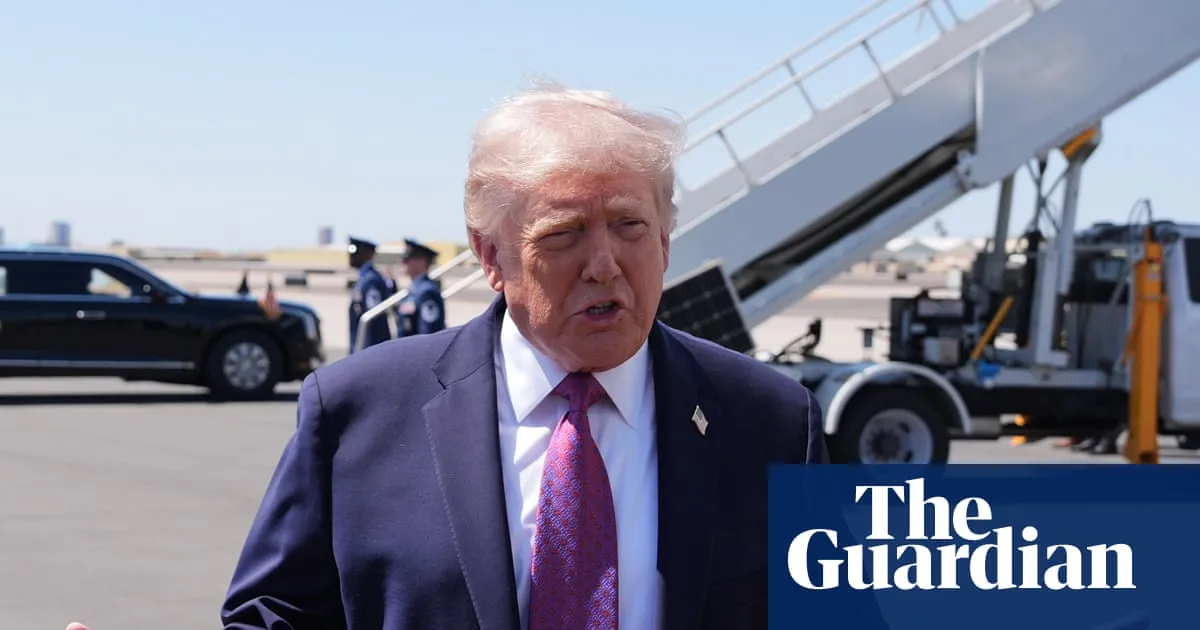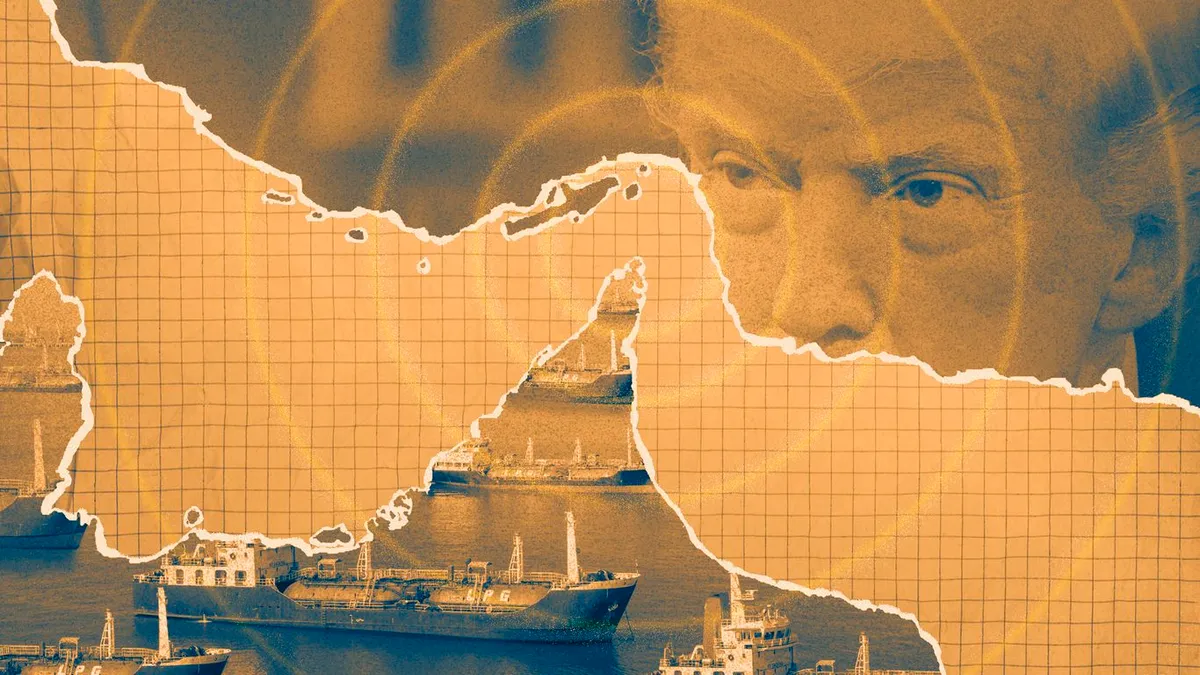
The Strait of Hormuz appears to have reopened to commercial shipping following a tense standoff between the United States and Iran, removing what analysts described as a significant threat to the global economy, according to Axios.
The strait, a narrow waterway connecting the Persian Gulf to the broader ocean, is one of the world's most critical chokepoints for energy. Crude oil, liquefied natural gas, fertilizers, and other essential commodities pass through it in large volumes daily.
What happened
Iran had imposed a de facto blockade on vessels transiting the strait, requiring ships to pay a toll or face obstruction. The Trump administration responded by implementing a counter-blockade targeting Iranian shipping, a move that appears to have pressured Tehran into backing down.
According to Axios, the administration's countermeasure - described as matching Iran's toll-based restrictions with U.S. restrictions of its own - appears to have achieved its goal, at least in the short term. The report notes the situation remains fluid and the resolution has not been declared permanent.
Economic implications
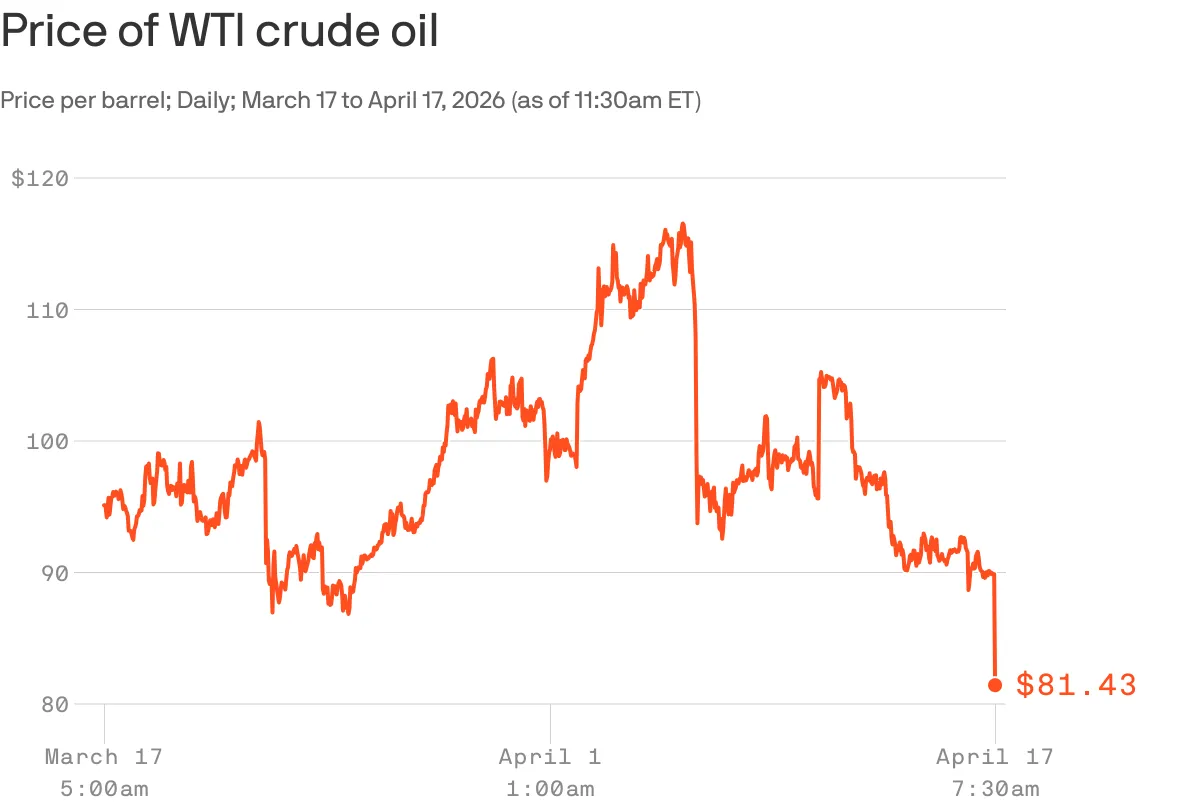
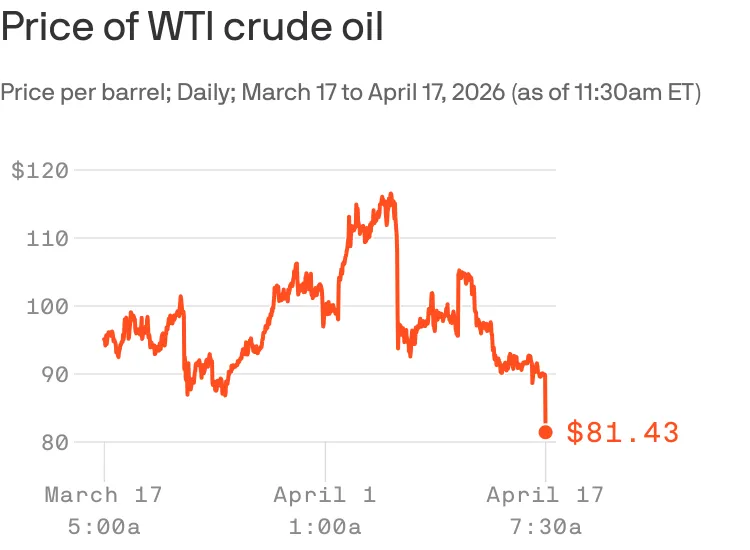
The potential for a prolonged disruption to energy supplies through the strait had raised concerns among economists and market observers worldwide. A sustained blockade would have affected oil prices, shipping costs, and supply chains across multiple industries globally.
With the blockage appearing to have ended, Axios reports that a major downside risk to the world economy has, for the moment, been lifted. Energy markets and global supply chains had been closely watched during the standoff given the volume of commodities that transit the waterway each day.
Fragile resolution
Officials and analysts are treating the development cautiously. The Axios report frames the reopening as holding "at least for now," signaling that the underlying tensions between Washington and Tehran that produced the standoff have not been fully resolved.
The Strait of Hormuz has historically been a flashpoint in U.S.-Iran relations. Iran has threatened to close the strait on multiple occasions over the past two decades, and the waterway remains central to any escalation scenario involving the two countries.
Further details on the diplomatic or military arrangements that produced the current resolution were not immediately available.