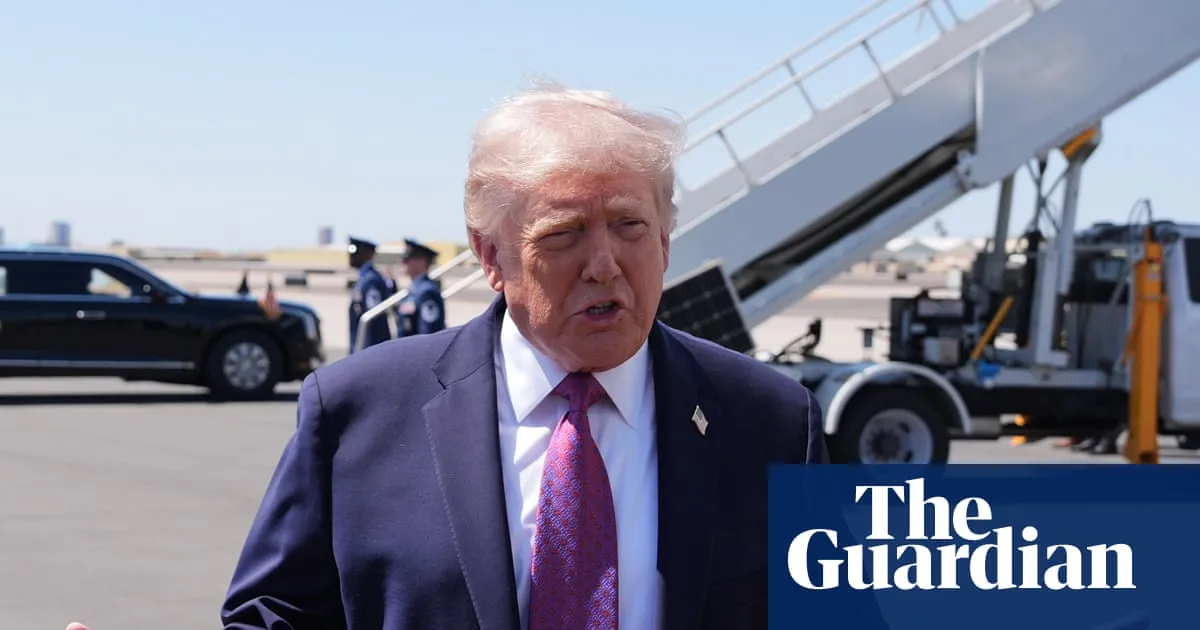
US President Donald Trump has threatened to impose significant tariffs on the United Kingdom if it does not eliminate its digital services tax, which currently applies a levy to revenues earned by major American technology companies operating in Britain.
Trump accused the UK of believing it could "make an easy buck" from US tech firms, according to reporting by The Guardian. The warning marks an escalation in trade tensions between Washington and London, coming just weeks after Trump cautioned that any existing UK-US trade arrangement could be subject to revision.
What is the digital services tax?
The UK introduced its digital services tax in 2020. The measure imposes a 2% levy on the revenues of large social media platforms and other digital businesses that derive income from UK users. The tax is structured to target companies with significant global revenues, meaning it primarily affects major US-based technology firms.
American officials and technology industry representatives have long objected to such taxes, arguing they unfairly single out US companies and constitute discriminatory trade practices.
Broader trade context
Trump's latest remarks add to growing uncertainty around the future of UK-US trade relations. The threat comes amid a wider pattern of the Trump administration using tariff pressure as a diplomatic tool against both allies and adversaries.
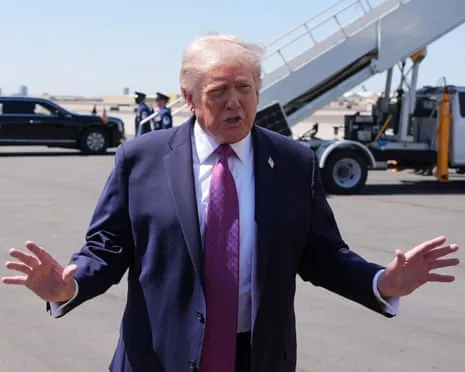
The UK government has been pursuing a closer trade relationship with Washington since Brexit, and any breakdown in those negotiations would represent a significant setback for British economic policy. London has not yet issued a formal public response to Trump's latest warning, according to available reporting.
The digital services tax has been a recurring point of friction between the two governments. Similar levies introduced by other countries, including France, have previously drawn retaliatory threats from the United States.
What comes next
It remains unclear whether Trump's comments represent a firm policy directive or a negotiating position. No specific tariff rate or timeline was announced, based on reporting available at the time of publication.
Trade analysts have noted that the UK faces a difficult balancing act - the digital services tax generates revenue and is seen domestically as a measure to ensure large tech multinationals contribute fairly to public finances, but maintaining it risks triggering punitive measures from its most important bilateral trading partner.
The situation continues to develop as both governments navigate a complex set of economic and diplomatic priorities.