Ireland's Taoiseach is doing what every politician does when they've run out of ideas: announcing tax cuts and hoping nobody notices the building is on fire. According to NPR, the Irish government is now staring down the barrel of a potential no-confidence vote as fuel protests grip the country - and honestly, the chain of events that got us here reads like a geopolitical game of dominoes falling in the worst possible order.
How a war in the Middle East became Dublin's problem
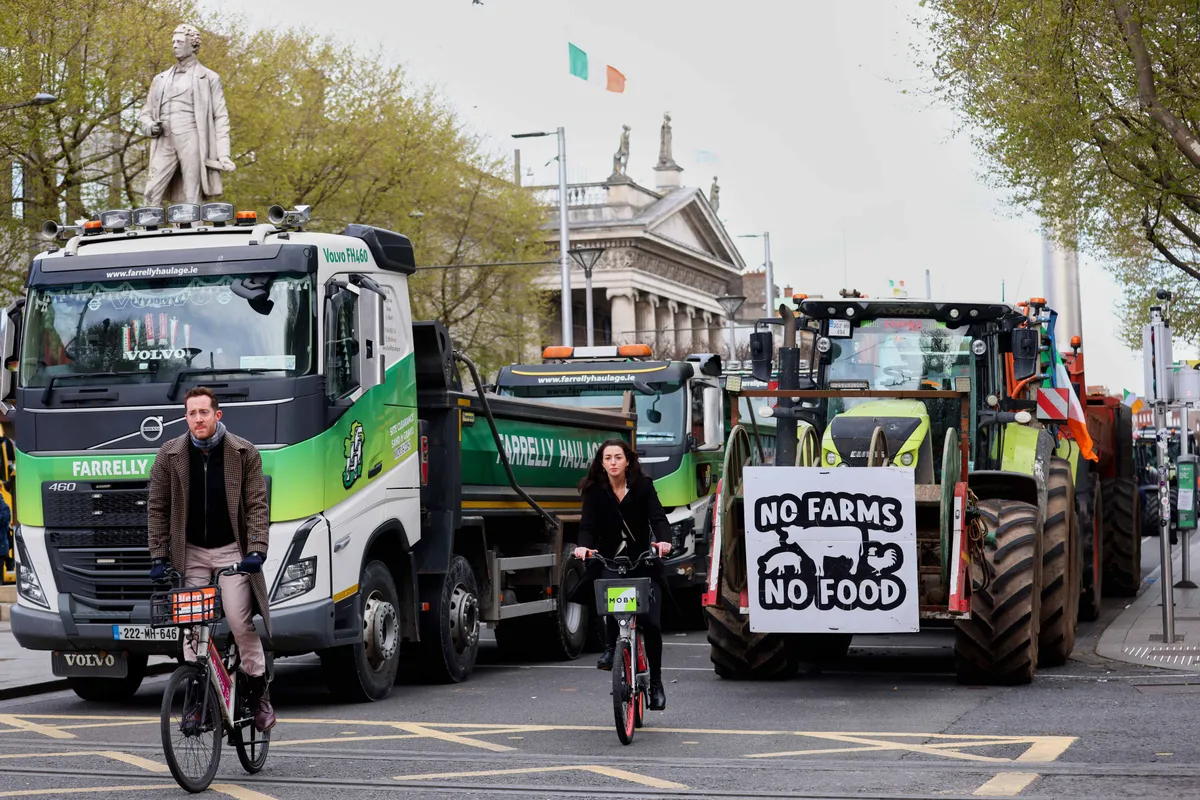
Here's the short version: the U.S.-Israel conflict with Iran triggered the closure of the Strait of Hormuz - one of the most critical chokepoints for global oil supply - and that sent fuel prices into orbit across Europe. Ireland, being an island nation with a heavy reliance on imported energy, felt the squeeze hard and fast. Citizens, understandably furious about prices at the pump, took to the streets in what have grown into sustained fuel protests that are now threatening to topple the government itself.
The Taoiseach's response has been to roll out new tax cuts in a bid to ease the financial pressure on ordinary households and hopefully drain some of the energy from the protests. Whether that's a bold economic move or a desperate last-ditch attempt to survive the week is, at this point, a matter of perspective.
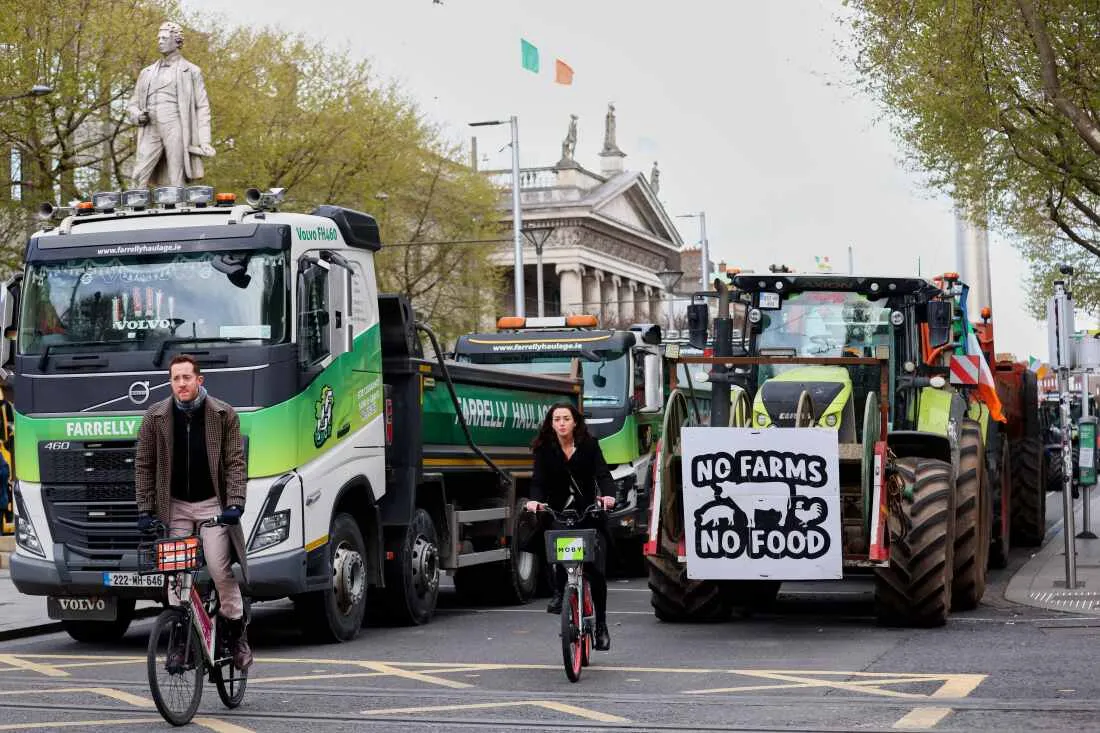
A no-confidence vote looms
Opposition parties are reportedly circling, and the possibility of a formal no-confidence motion against the government is very much on the table, per NPR's reporting. A no-confidence vote wouldn't just be politically embarrassing - it could bring down the current coalition entirely and trigger fresh elections at one of the most economically unstable moments in recent Irish history.
It's worth noting that Ireland is hardly alone in feeling the downstream effects of the Hormuz closure. The disruption to global oil flows has sent shockwaves through energy markets worldwide. But Ireland's political situation means the fallout has taken on a uniquely acute domestic dimension.
The bigger picture
What's unfolding in Ireland is a case study in how rapidly geopolitical crises in one region can destabilize governments thousands of miles away. A conflict in the Persian Gulf has, in a relatively short stretch of time, translated into protests on Irish streets and a sitting government fighting for its political life.
Tax cuts may buy the Taoiseach some goodwill - or they may simply not be enough. Either way, Ireland is watching its government sweat through what might be a very short summer.