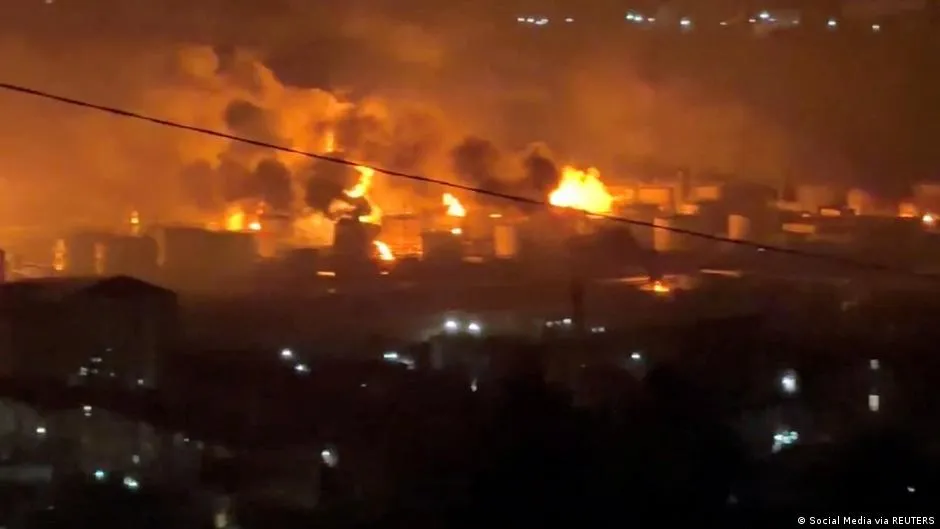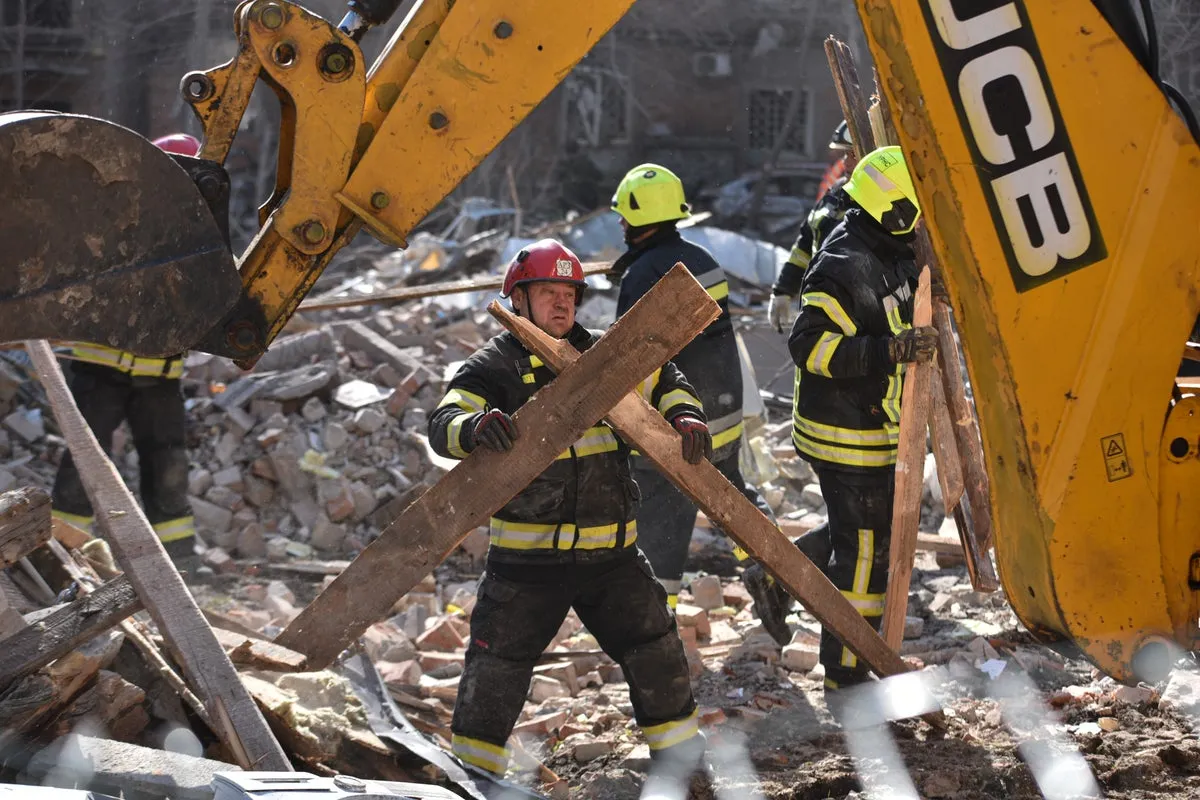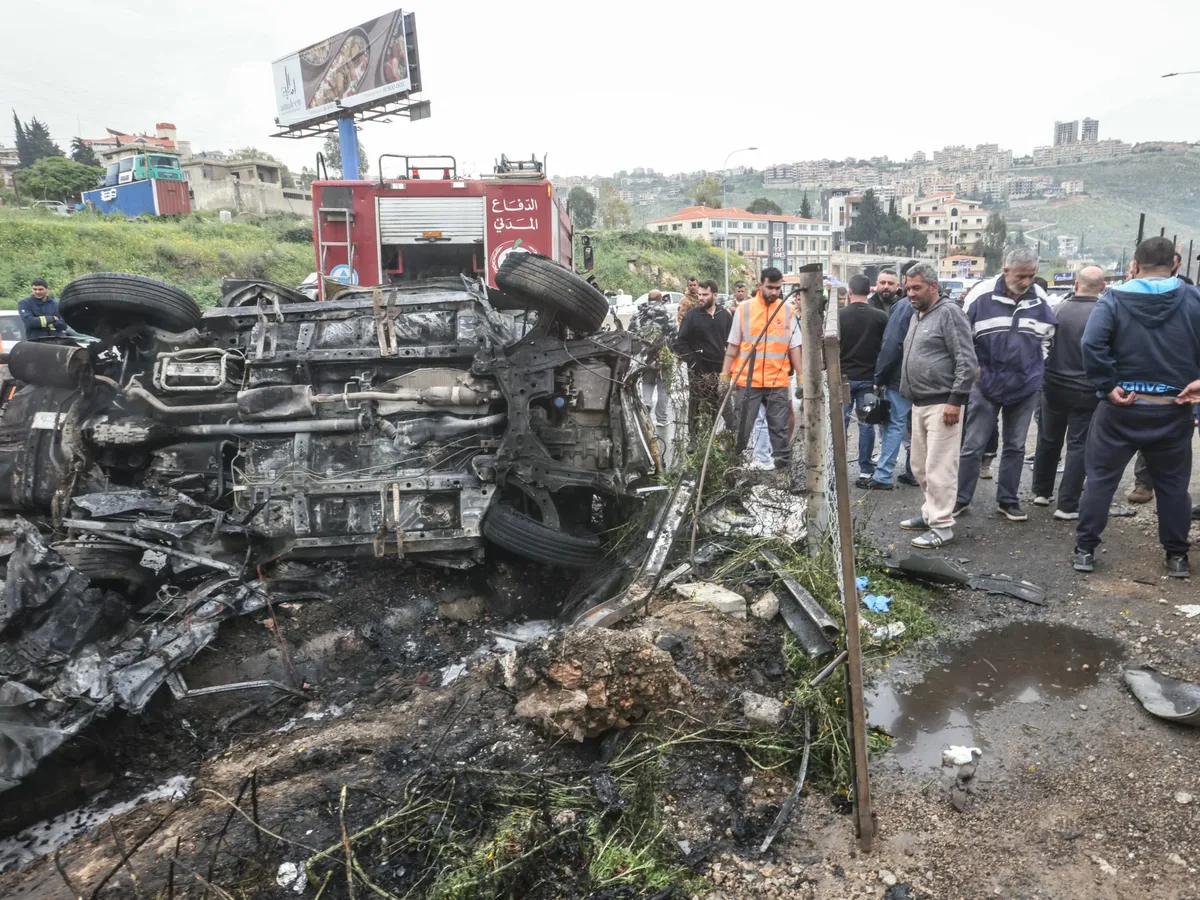
In a development that will shock absolutely nobody who has followed Middle East geopolitics for more than fifteen minutes, Israel launched a series of deadly strikes on Lebanon this week - right in the middle of an active diplomatic push to de-escalate tensions in the region. Timing, as they say, is everything.
According to reporting by Al Jazeera, the strikes have triggered widespread fury across Lebanon, with the attacks cutting directly against the grain of ongoing negotiations that had, until recently, given some observers cautious hope for a diplomatic off-ramp.
The Hezbollah position
Hezbollah lawmaker Hassan Fadlallah was not exactly thrilled about the diplomatic track to begin with, and the strikes gave him plenty of rhetorical ammunition. Fadlallah publicly stated that negotiating "with the enemy is wrong" and issued a pointed warning about what he called the risk of "internal division" - a phrase that carries significant weight in a country where political fault lines run deep and loyalties are fiercely contested.
His comments signal that hardliners within the Hezbollah political wing see the bombing as validation of their skepticism toward any engagement with Israel, potentially making it harder for more moderate voices in Lebanese politics to argue in favor of continued talks.
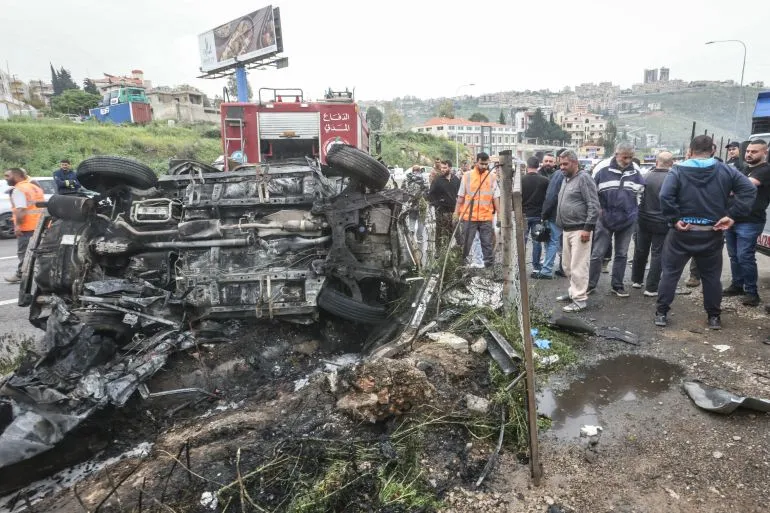
Diplomacy meets ordnance
The uncomfortable reality on the ground is that diplomatic efforts and live military operations are now running on parallel tracks, with each undermining the other. Lebanese civilians are caught squarely in the middle - a situation that has, tragically, become something of a recurring feature of the country's modern history.
Lebanon has been here before, and the anger on the streets reflects not just outrage at the strikes themselves, but a deep exhaustion with a cycle that offers brief windows of hope before slamming them shut with considerable force and firepower.
What happens next
Whether the diplomatic drive survives the strikes remains to be seen. Fadlallah's warnings about internal division suggest that Lebanese political consensus - already a famously fragile thing - is under new pressure. If the hardline faction gains ground in the internal debate, the window for any negotiated arrangement narrows considerably.
For now, the situation is what analysts would diplomatically describe as "not great" - and what the people of Lebanon would describe in rather more direct terms.
Source: Al Jazeera