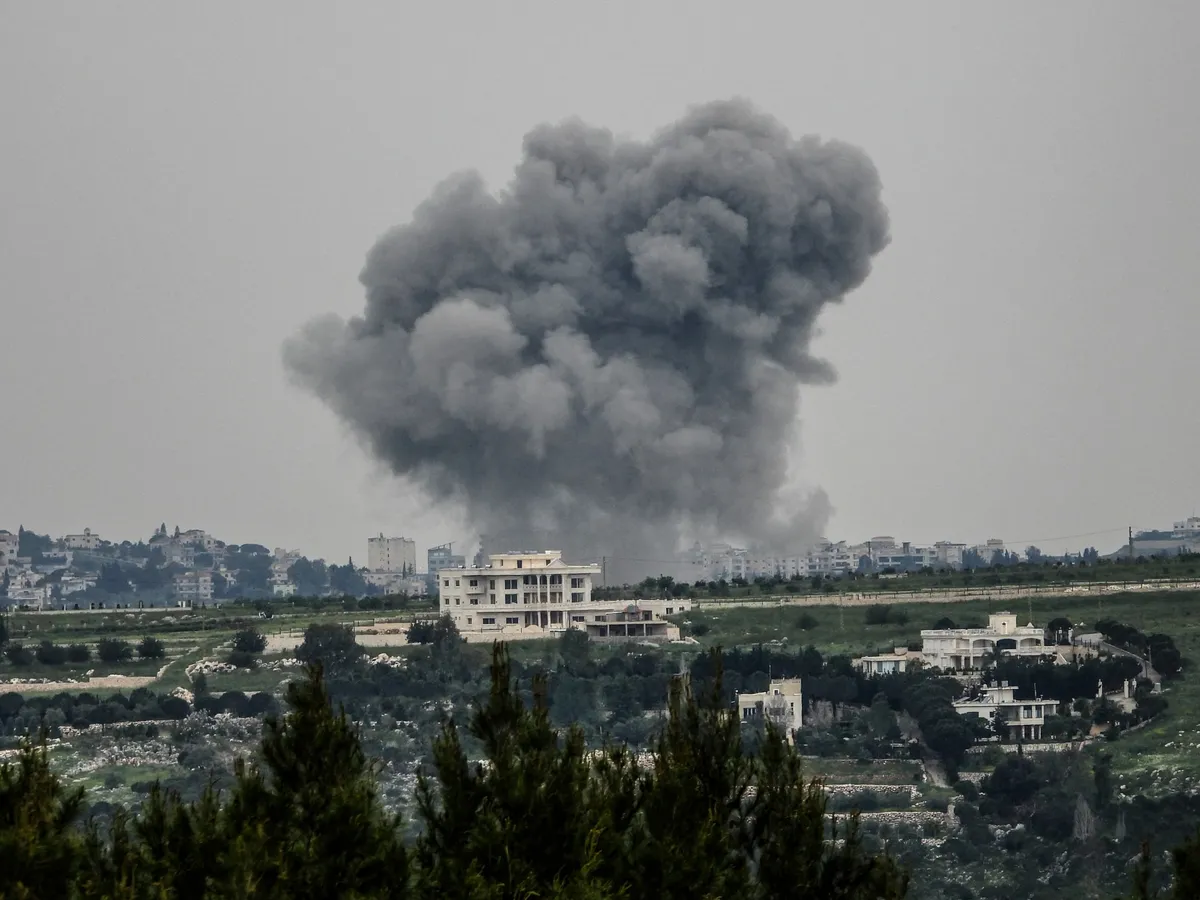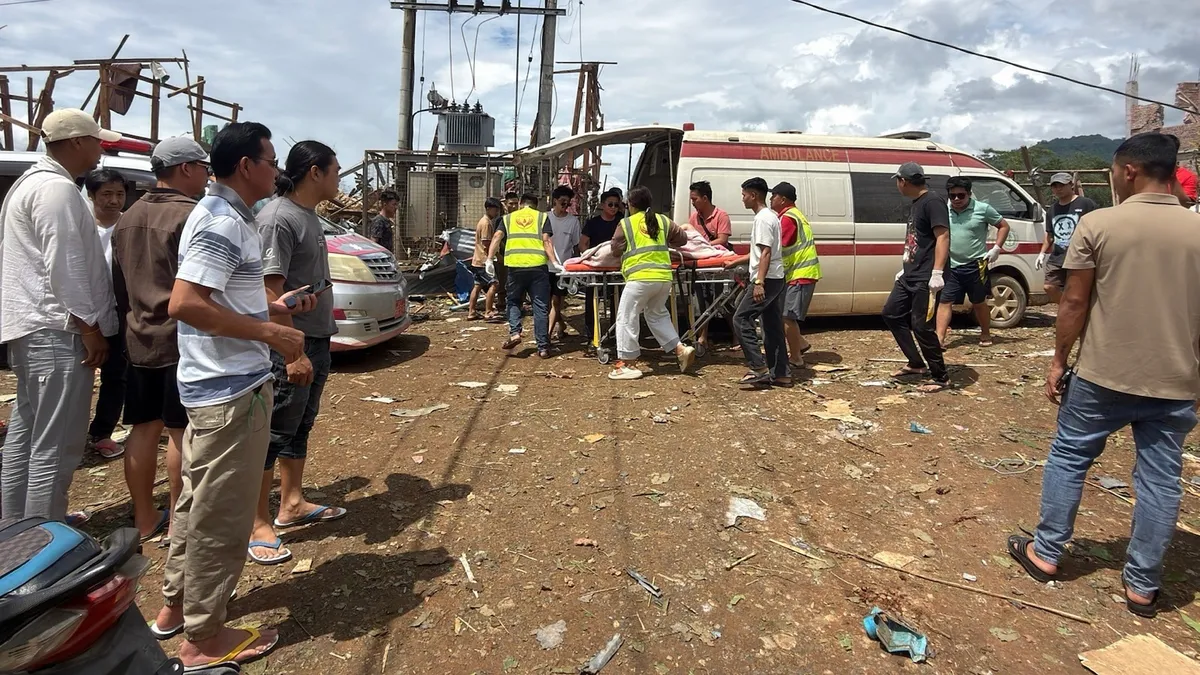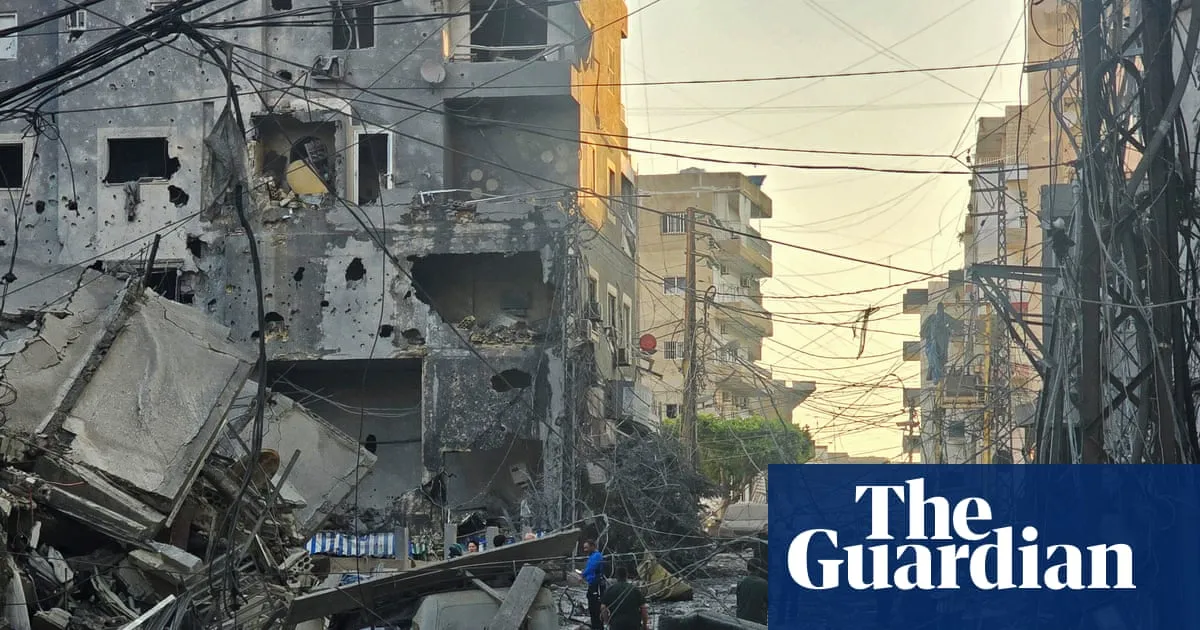
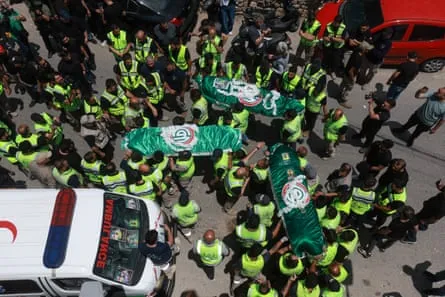
The US-brokered ceasefire between Israel and Lebanon is looking increasingly like a participation trophy this week, after Israeli strikes killed 10 people in Lebanon over a 24-hour period - six of them paramedics, and one a child, according to Lebanon's health ministry as reported by The Guardian.
Lebanon's health ministry did not hold back in its assessment of the situation, condemning the attacks as violations of international law. That's a serious claim, given that medical personnel are explicitly protected under the Geneva Conventions - the kind of rules that have been around long enough that there really are no excuses for not knowing them.
Two very different stories
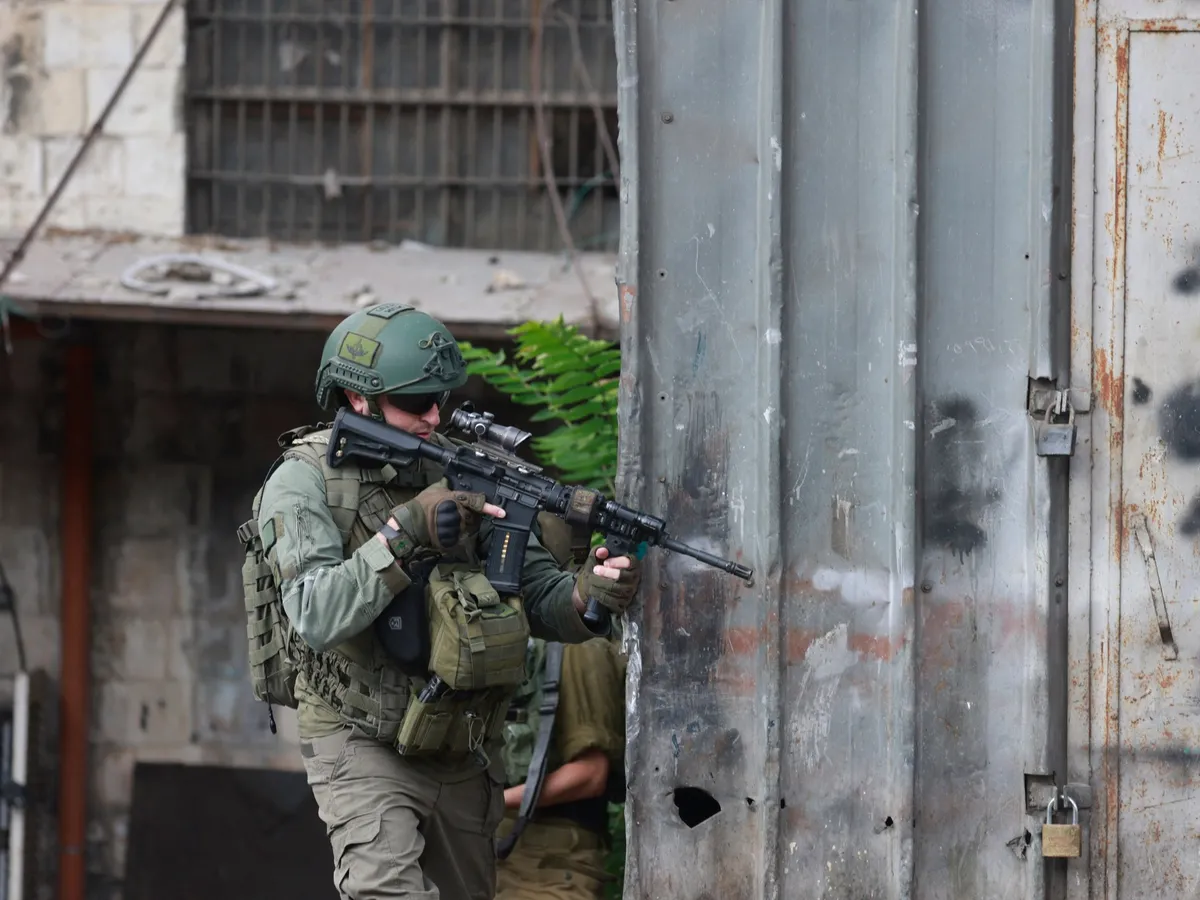
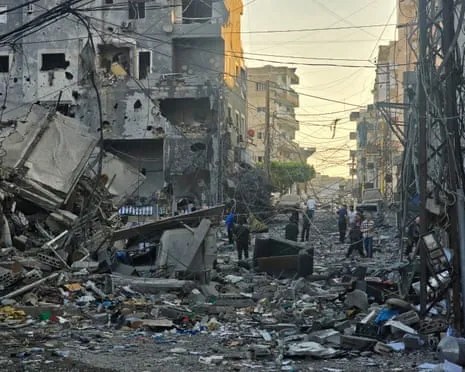
As is tradition in this particular conflict, both sides have their version of events. Lebanon's health ministry tallied the human cost: six paramedics, one child, and three others dead. Israel, for its part, says it was striking Hezbollah infrastructure sites and militants - not exactly the kind of target list that usually includes people in high-visibility vests with red crosses on them.
AFP correspondents on the ground reported further airstrikes continuing into Friday night and Saturday, suggesting the situation was not showing any signs of cooling down after the initial wave of strikes.

The ceasefire that technically still exists
The strikes are placing what The Guardian diplomatically describes as "further strain" on the US-brokered ceasefire - a ceasefire that, based on the body count and ongoing explosions, appears to be more of a strongly worded suggestion at this point.
The killing of medical responders is the kind of detail that tends to sharpen international attention fast. Paramedics are, by definition, non-combatants doing humanitarian work. Whether these individuals were deliberately targeted, caught in the crossfire, or present at sites Israel claims were militant infrastructure remains a matter of competing narratives.
What happens next
International condemnation is almost certainly incoming, though its practical effect on the ground remains, as ever, unclear. Washington will face pressure to put more muscle behind the ceasefire it brokered, while Lebanon continues burying people it sent out to save lives.
The full picture is still developing, but the 24-hour death toll and the identities of those killed make this one difficult to spin as anything other than a very bad look for all parties involved in maintaining what remains of this ceasefire.