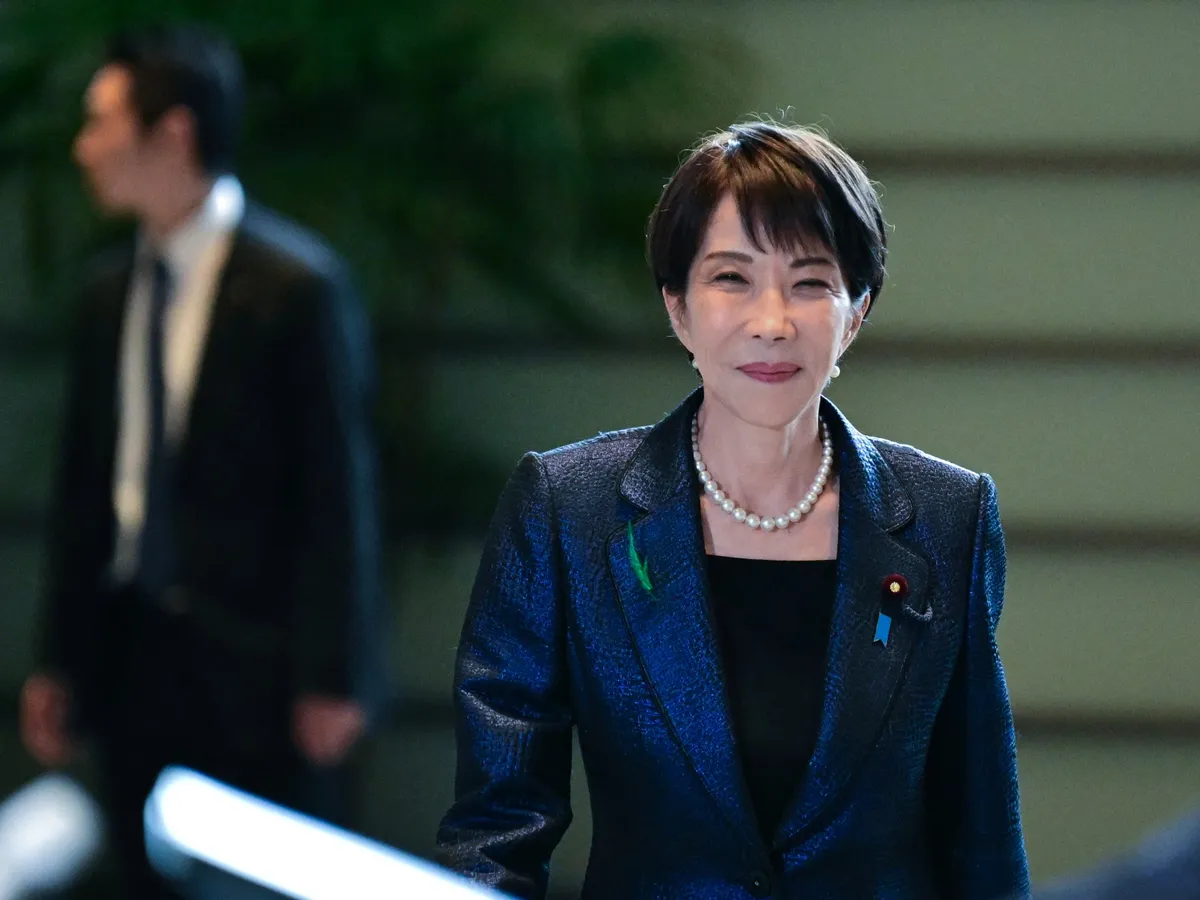
Japan has lifted its longstanding ban on exporting lethal weapons, opening the door to overseas arms sales that could include advanced fighter jets, according to reporting by Al Jazeera. The move represents one of the most significant departures from the country's post-World War Two pacifist defense posture in decades.
The policy shift ends restrictions that had effectively kept Japan out of the global arms trade for much of its modern history. Those restrictions were rooted in constitutional constraints and political consensus that took hold after Japan's defeat in 1945, limiting the country's military activities and weapons-related commerce abroad.
A break from decades of restraint
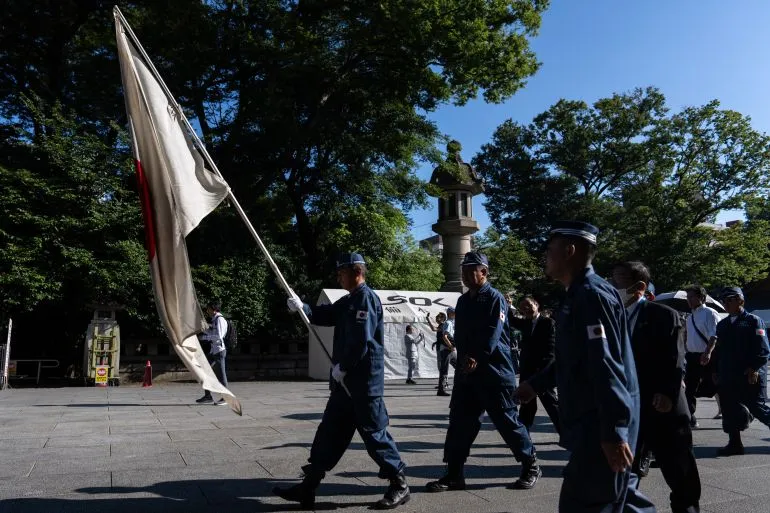
Japan's pacifist framework, enshrined in Article 9 of its constitution, has long prohibited the country from maintaining war potential or engaging in armed conflict as a means of settling international disputes. While successive governments have interpreted that framework with varying degrees of flexibility, a full prohibition on lethal weapons exports had remained a central pillar of defense policy.
The decision to lift the ban signals a broader strategic recalculation in Tokyo, driven in part by shifting security dynamics in the Asia-Pacific region. Japan has cited growing concerns over North Korea's ballistic missile program, China's expanding military presence, and Russia's invasion of Ukraine as factors prompting a reassessment of its defense posture.
Regional and international implications
The move follows a series of other defense policy changes in recent years, including a substantial increase in Japan's defense budget and a new national security strategy adopted in 2022 that authorized the development of so-called counterstrike capabilities - the ability to strike enemy bases before an attack reaches Japanese territory.
Allowing lethal weapons exports could deepen Japan's defense industry ties with allied nations, particularly the United States and European partners. Officials have pointed to potential cooperation on next-generation fighter aircraft as one avenue that the new policy could enable.
Critics of the shift, including opposition parties and pacifist advocacy groups within Japan, have argued that the change undermines the spirit of the postwar constitution and risks drawing the country into overseas conflicts. Supporters contend that a stronger defense industrial base and closer allied cooperation are necessary responses to a more volatile regional security environment.
The full scope of the new export rules, including which countries Japan may supply and under what conditions, had not been fully detailed in initial reporting by Al Jazeera. Further clarity on implementation is expected as the policy moves through formal government processes.