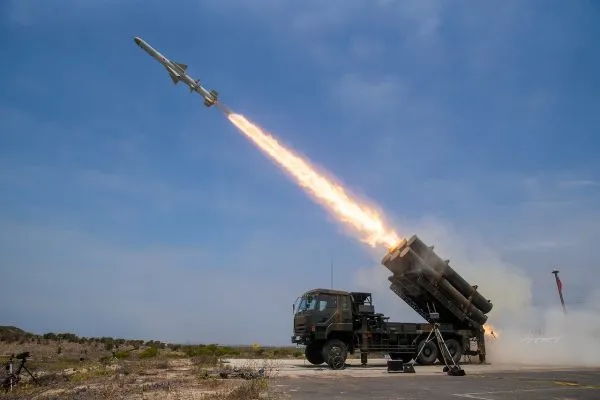
Japan has lifted its longstanding prohibition on the export of lethal weapons, marking one of the most significant shifts in the country's defense and foreign policy since the end of World War II, according to reporting by The Diplomat.
The cabinet decision dismantles a self-imposed restriction that had been a cornerstone of Japan's postwar pacifist posture. For decades, the ban on lethal arms exports was widely seen as both a practical policy and a symbol of Japan's commitment to a non-militarist identity following its defeat in 1945.
Historical context
Japan's postwar constitution, particularly Article 9, renounces war as a sovereign right and has long constrained the country's military ambitions. The arms export ban, while not written directly into the constitution, reinforced that pacifist framework and became what analysts describe as a deeply entrenched political and cultural norm.
The Diplomat characterizes the move as breaking a "postwar taboo" - language that underscores how far-reaching the symbolic departure is, beyond its immediate strategic implications.
Why now
The decision comes against a backdrop of a rapidly shifting security environment in the Indo-Pacific region. Tensions over Taiwan, North Korea's continued missile and nuclear development, and China's expanding military presence have placed growing pressure on Tokyo to reassess the limits of its defense posture.
Japan has already taken a series of incremental steps in recent years to expand its security role, including raising its defense budget to approach two percent of GDP - a benchmark previously associated with NATO members - and acquiring counterstrike capabilities that were once considered off-limits under its exclusively defensive doctrine.
Broader implications
The lifting of the lethal arms export ban has potential consequences beyond Japan's own rearmament. It opens the door for Tokyo to supply weapons to partner nations, which could deepen defense cooperation with allies such as the United States, Australia, and members of the European Union who have sought to diversify their defense supply chains.
Critics of the move, including opposition parties and pacifist civic groups within Japan, argue that the policy change erodes the country's constitutional principles and risks entangling it in foreign conflicts. Supporters contend that the evolving threat landscape leaves Japan with little choice but to adapt.
The Diplomat notes that fully understanding the cabinet decision requires examining both the historical weight of what is being abandoned and the international pressures driving the change - a dual lens that reflects the competing forces shaping Japanese defense policy today.
The move is expected to face continued domestic scrutiny as Japan's government works to define the parameters of its new export framework, including which weapons systems may be sold and to which countries.