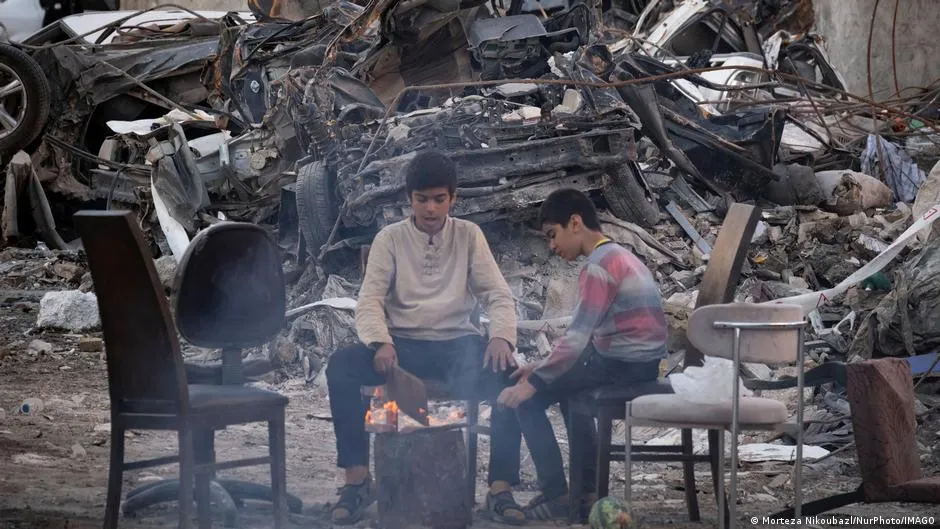
While diplomatic and military tensions between the United States and Iran play out at the international level, it is ordinary Iranian citizens who are most acutely feeling the consequences, according to a report by Deutsche Welle.
A US naval blockade, designed to increase pressure on the Iranian government in Tehran, has contributed to worsening conditions for the country's general population. Shortages of goods, rising prices and a pervasive sense of uncertainty have become features of everyday life for many Iranians.
A population worn down by compounding crises
The DW report describes a growing exhaustion among Iranian citizens, many of whom have now endured years of economic hardship compounded by geopolitical instability. The psychological toll of living under the dual pressures of domestic scarcity and the threat of broader regional conflict has become a defining feature of life inside the country.
Sanctions and trade restrictions have long constrained Iran's access to international markets, limiting imports of essential goods ranging from medicines to food staples. The naval blockade adds another layer of pressure to an already strained supply chain, with effects rippling through local markets and household budgets.
Government versus civilian impact
Critics of the blockade strategy argue that such measures disproportionately affect civilian populations rather than achieving their intended goal of changing the behavior of the Iranian government. Proponents counter that sustained economic pressure is a necessary tool to constrain Tehran's regional ambitions and nuclear program.
This debate is not new. Economists and humanitarian organizations have repeatedly raised concerns that broad sanctions regimes tend to erode the living standards of ordinary citizens while political elites retain access to resources and workarounds.
Fear and regional instability
Beyond economic hardship, the DW report highlights a climate of fear linked to the broader regional security environment. Ongoing conflicts in neighboring countries and the ever-present possibility of direct military confrontation have added to the psychological burden carried by Iranian civilians.
For many, the combination of financial strain, restricted access to goods and the shadow of potential conflict has created a sense of being trapped between forces largely beyond their control.
The situation underscores a recurring challenge in the use of economic pressure as a foreign policy instrument - the gap between intended political targets and the populations that ultimately absorb the impact.