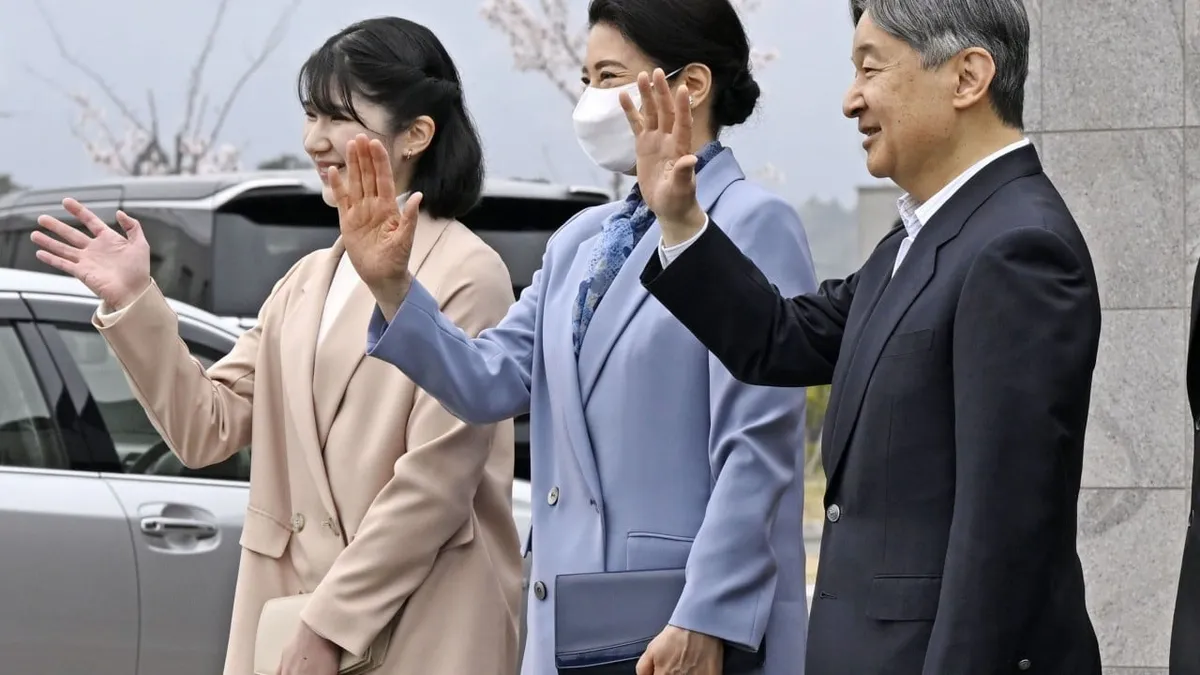
A large majority of Japanese citizens support allowing a woman to become emperor, according to a new poll, even as Prime Minister Sanae Takaichi - Japan's first female head of government - advocates for a more conservative approach to imperial succession.
A Mainichi newspaper poll published Wednesday found that 61 per cent of respondents believe the law should be amended to permit a female emperor. Only 9 per cent said the throne should remain restricted to men, according to the survey.
A question of law and tradition
Japan's imperial succession is currently governed by the 1947 constitution, which defines the emperor's role, and by longstanding legal frameworks that have historically limited succession to male members of the imperial family. The question of how to ensure a stable line of succession has become increasingly urgent as the number of eligible male heirs has dwindled in recent decades.
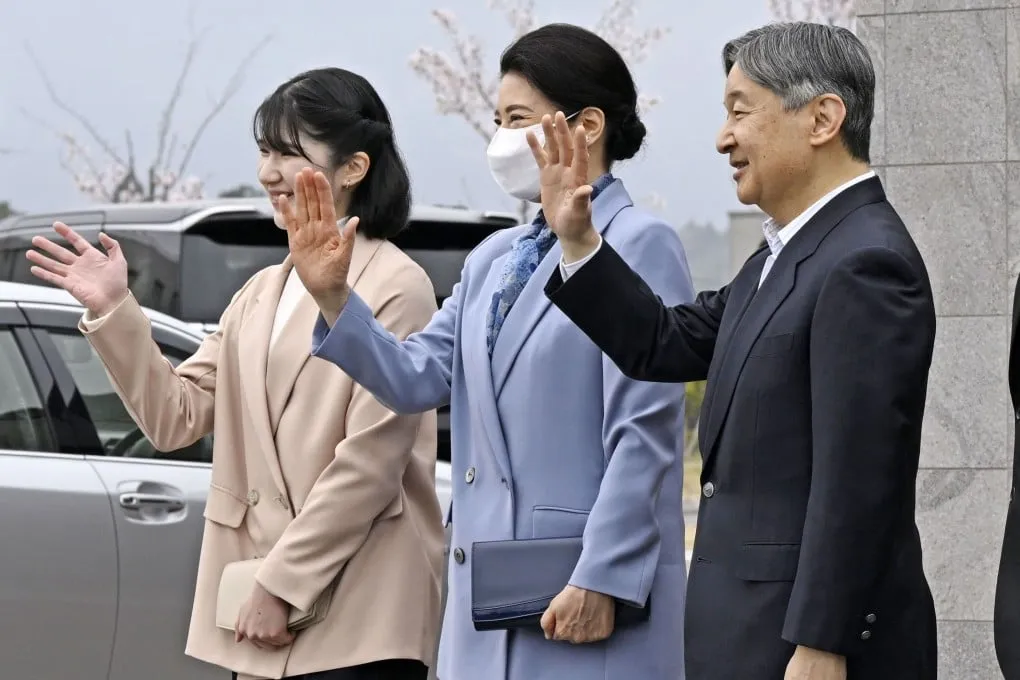
The debate pits deeply held traditions against demographic realities and shifting public attitudes. Supporters of expanding succession rights argue that excluding women creates a risk of the imperial line dying out. Opponents, including some conservative politicians, argue that maintaining a male-only line is central to the institution's historical identity.
Takaichi's position
Prime Minister Takaichi, despite being a historic figure as Japan's first woman to hold the office, has aligned herself with conservative positions on the succession question. Her stance places her at odds with the clear majority of the Japanese public, as reflected in the Mainichi poll.
The divergence highlights a broader tension within Japanese politics between modernising pressure from civil society and the influence of conservative factions within the ruling Liberal Democratic Party, which has long dominated Japanese governance.
Public opinion and political momentum
This is not the first time Japanese polling has reflected strong public backing for a female emperor. Previous surveys have produced similar results, suggesting that support for reform has remained consistent over time even as political movement on the issue has been slow.
Whether the latest poll figures translate into legislative action remains uncertain. The succession debate has periodically resurfaced in Japanese politics without resulting in formal legal changes, and the current government's disposition suggests that significant reform is unlikely in the near term.
The issue carries considerable symbolic weight in Japan, touching on questions of gender equality, national identity, and the long-term future of one of the world's oldest monarchies.