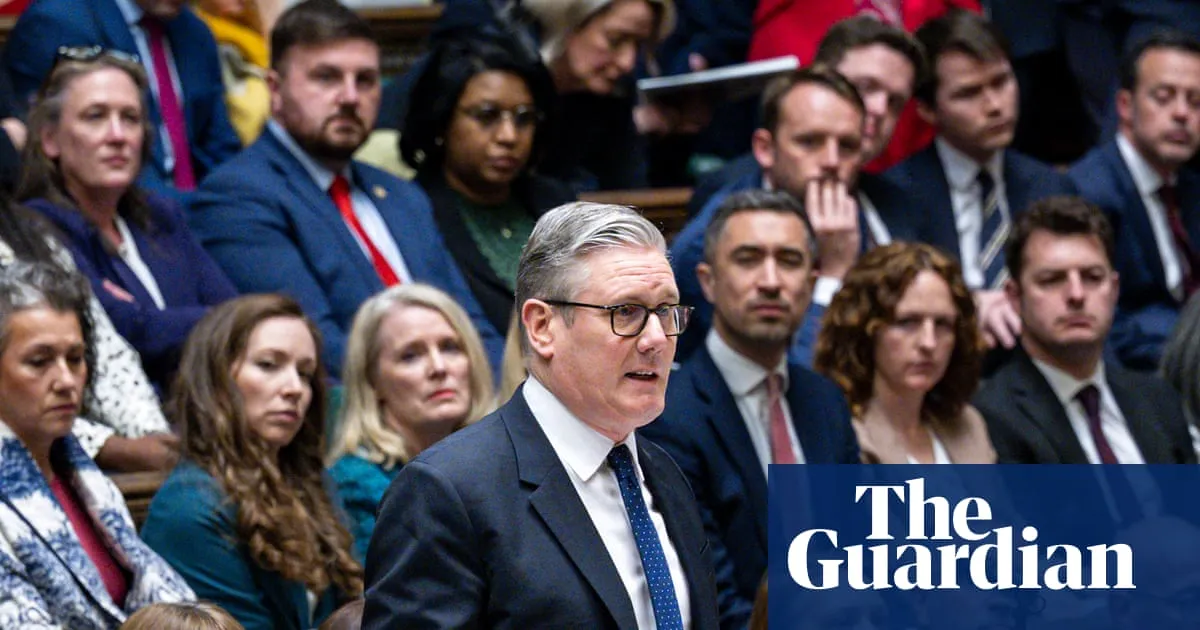
Prime Minister Keir Starmer has publicly accused Olly Robbins, a senior official he dismissed over the affair, of deliberately and repeatedly obstructing the truth surrounding the security vetting scandal involving Peter Mandelson, according to reporting by The Guardian.
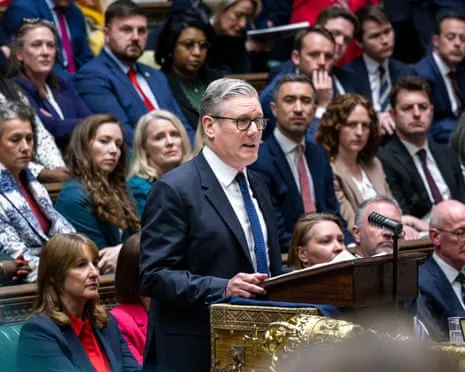
Starmer made the accusation ahead of what was described as a high-stakes appearance by Robbins before members of parliament on Tuesday. The prime minister also used the occasion to admit he had made a mistake in his decision to appoint Mandelson as Britain's ambassador to Washington.
The admission came six days after Starmer acknowledged he had been informed that Mandelson had failed security vetting - a disclosure that raised immediate questions about how and when senior figures in government were aware of the situation, and why the appointment proceeded.
A widening political crisis
The scandal has placed significant pressure on the Starmer government, drawing scrutiny over its vetting processes, internal communications, and the judgment of those at the highest levels of decision-making. Robbins, who held a prominent role in the government apparatus, was removed from his position as the controversy deepened.
By directly accusing Robbins of obstruction, Starmer has sharpened the conflict between Downing Street and the sacked official, setting the stage for a potentially significant confrontation when Robbins faced questioning from parliamentarians.
The decision to appoint Mandelson - a veteran Labour figure with decades of experience in British and European politics - to the Washington ambassadorship had been considered politically significant given the importance of the U.S.-UK relationship. The revelation that Mandelson had not cleared security vetting introduced serious questions about how the appointment was handled.
Parliamentary scrutiny
Starmer's statement to parliament represented a notable moment of accountability, with the prime minister conceding directly that his choice had been an error. Such admissions from sitting prime ministers are relatively uncommon and reflect the degree to which the controversy had become politically untenable to defend.
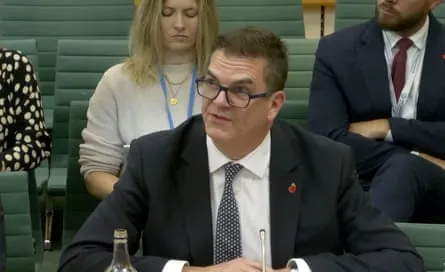
Robbins' appearance before MPs was expected to be a focal point for opposition parties seeking to establish a clearer timeline of who knew what and when. The outcome of that session could determine whether the scandal remains contained or expands further into a broader examination of government conduct.
The Guardian reported the core details of Starmer's accusations and his parliamentary statement, though the full scope of Robbins' testimony before MPs was not yet available at the time of reporting.