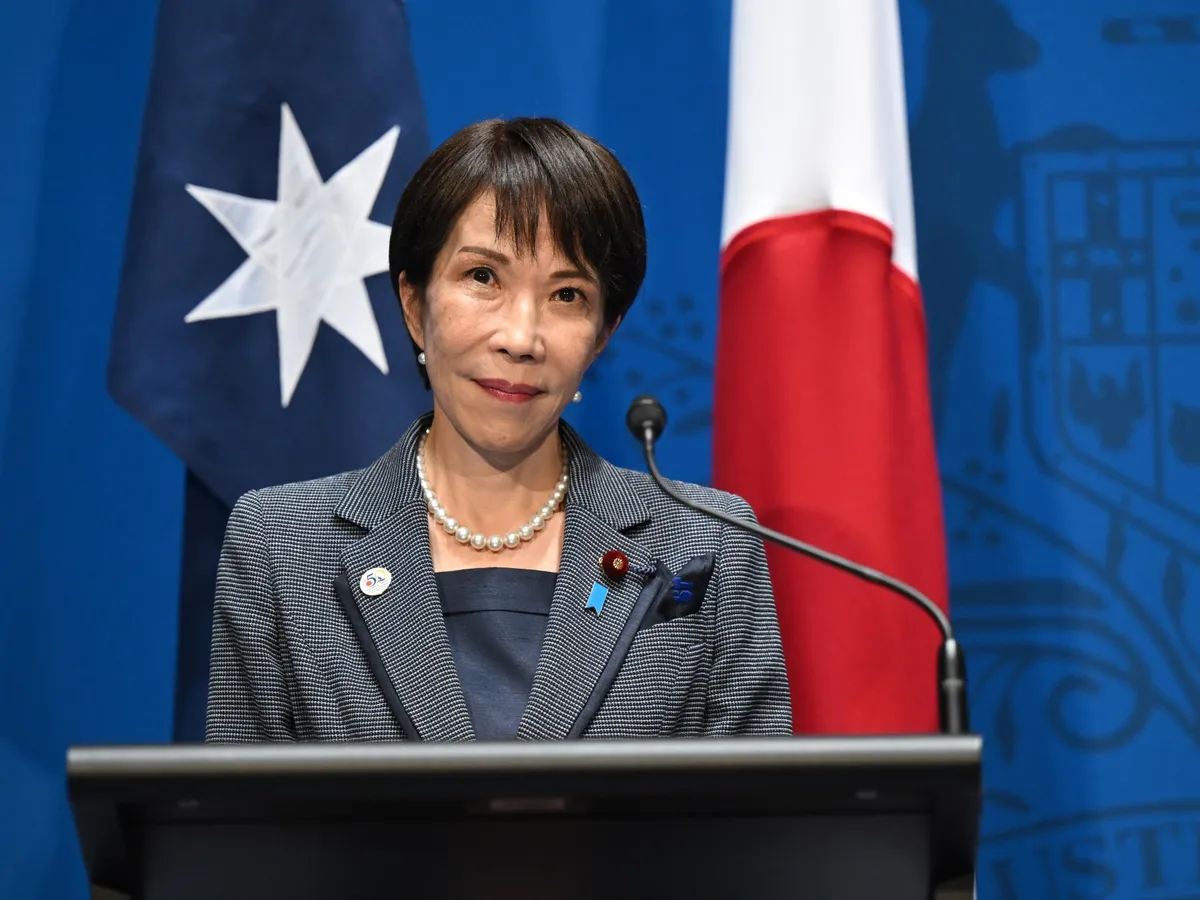
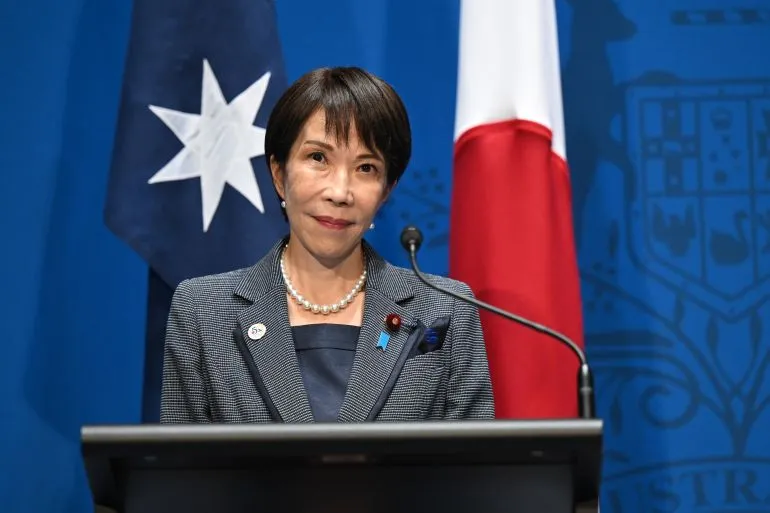
Japan's Prime Minister Sanae Takaichi used a visit to Australia this week to drop what might be the understatement of the decade, telling anyone who would listen that the ongoing Iran war oil crisis is having an "enormous impact" on the Asia Pacific region. You don't say, Prime Minister. You absolutely do not say.
According to Al Jazeera, Takaichi made the remarks during her Australian visit, where the two countries also signed agreements on energy supplies - which, given the current geopolitical chaos swirling around one of the world's most critical oil-producing regions, is roughly the diplomatic equivalent of buying extra candles before a hurricane makes landfall.
Why Japan is sweating harder than everyone else
Japan is not exactly blessed with its own vast oil reserves. The country is one of the world's largest importers of energy, and a significant chunk of that energy has historically flowed through or from the Middle East. When that region decides to have an absolute meltdown - militarily speaking - Tokyo feels it almost immediately at the pump, in factories, and across supply chains that stretch across the entire Asia Pacific.
Takaichi's warning is a reminder that while much of the Western media attention on the Iran conflict focuses on its implications for Europe and the United States, countries like Japan, South Korea, and others in the region are quietly absorbing body blows to their energy security and economic stability.
Australia to the rescue? Maybe.
The energy supply agreements signed during the visit suggest Australia - a major liquefied natural gas (LNG) exporter - is positioning itself as part of Japan's answer to the crisis. It is not a perfect swap for Middle Eastern crude, but in a world where energy security has become a full contact sport, having a stable, geographically close partner matters enormously.
Australia has been quietly cementing itself as a critical energy supplier for Indo-Pacific partners, and this visit underlines how urgently Japan is looking to diversify away from the chaos-prone Persian Gulf supply chain.
The bigger picture nobody wants to talk about at brunch
The Iran war is reshaping global energy markets in real time, and the Asia Pacific - often treated as an afterthought in Western coverage of Middle Eastern conflicts - is arguably among the most exposed regions on the planet. Takaichi putting "enormous impact" on the record is less a revelation and more an official confirmation of what economists and energy analysts have been screaming from rooftops for months.
Whether the Australia deals provide meaningful relief remains to be seen. But the optics of a Japanese prime minister rushing to sign energy agreements mid-conflict tell you everything you need to know about how nervous Tokyo really is right now.