While the rest of the world is busy having a collective meltdown over trade wars and tariff tantrums, South Korea quietly pulled off a move that most East Asian economies can only dream about: flipping its trade balance with China from red to a very comfortable green - and it has artificial intelligence to thank for it.
According to data from South Korea's Ministry of Trade, Industry and Energy, cited by the South China Morning Post, Seoul went from a US$764 million deficit with Beijing in December 2024 to a US$1.1 billion surplus by February 2025. If that already sounds like a glow-up, buckle up - by May, that surplus had ballooned to a jaw-dropping US$3.8 billion.
What on earth happened?
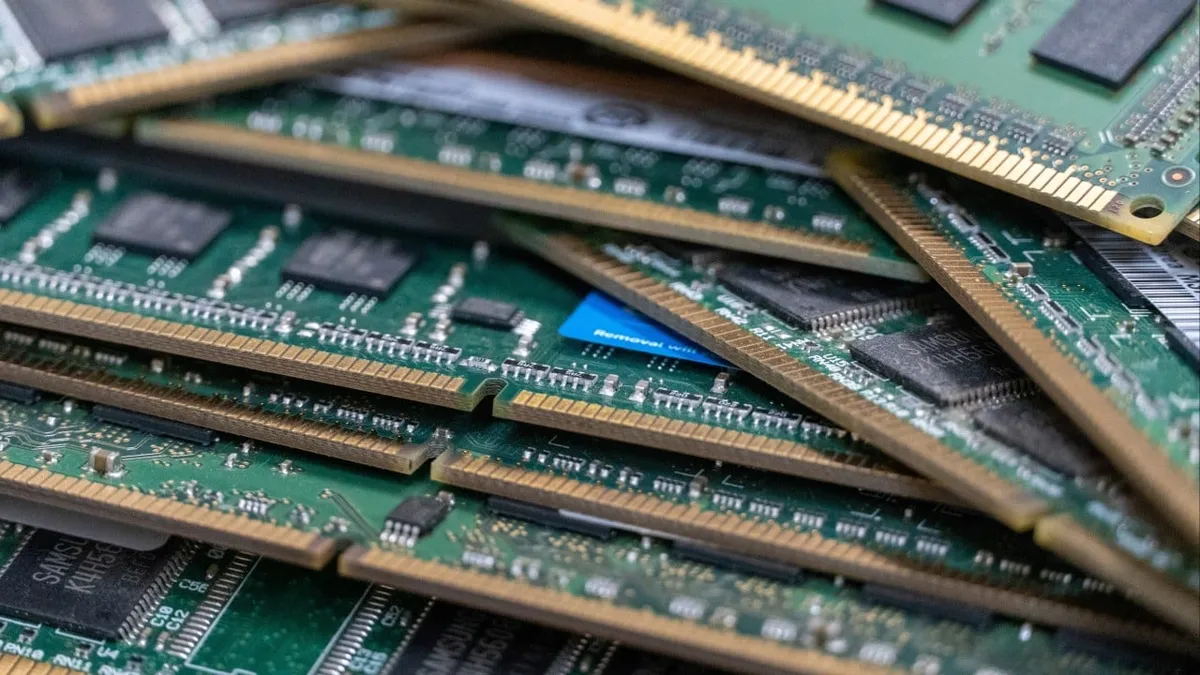
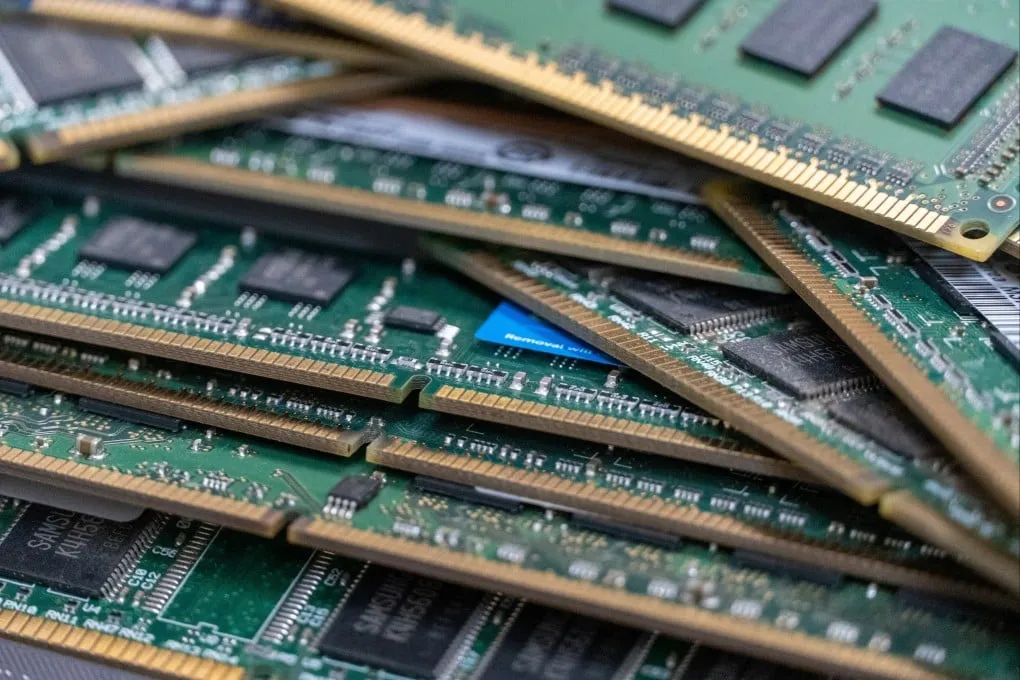
Two words: memory chips. China's insatiable appetite for AI infrastructure is driving massive demand for the high-bandwidth memory (HBM) and DRAM that South Korean giants like Samsung and SK Hynix specialize in. Every data center being spun up to power the next ChatGPT competitor in Shenzhen or Beijing needs buckets of this stuff, and Korea is essentially the world's go-to supplier.
This makes South Korea something of a rare bright spot among East Asian trading economies, many of which are grappling with shrinking exports to China amid broader economic softness and ongoing geopolitical tension. While competitors are watching their trade numbers wobble, Seoul is over here stacking surpluses like a Tetris champion.
Why this matters beyond the numbers
The shift is a pretty vivid illustration of how the global AI race is reshaping economic relationships in ways that even the most seasoned trade analysts didn't fully predict. China, despite its own ambitions to develop domestic chip capabilities - ambitions supercharged by U.S. export restrictions - still depends heavily on foreign memory suppliers to build out its AI ecosystem right now.
That dependency is South Korea's jackpot moment. The question, of course, is how long it lasts. Beijing is pouring resources into homegrown semiconductor development, and the pressure from Washington to limit chip exports to China adds an ever-present layer of political complexity to what is currently a very lucrative arrangement for Seoul.
For now, though, South Korea is enjoying a trade relationship plot twist worthy of a K-drama finale. Deficit? Gone. Surplus? Enormous. Reason? Robots, essentially.
The data comes from South Korea's Ministry of Trade, Industry and Energy, as reported by the South China Morning Post.