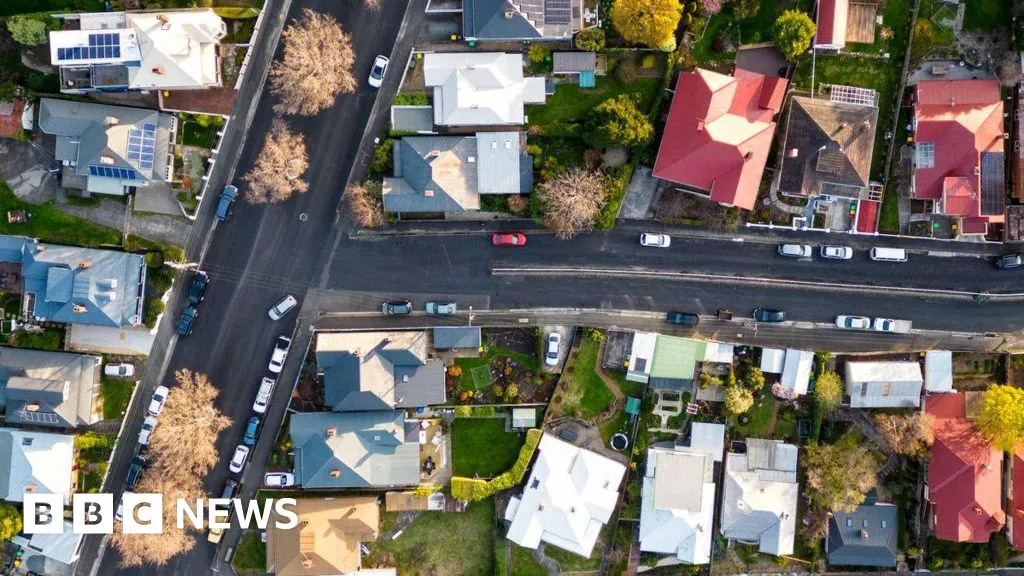
Australia has a housing problem so severe it makes other countries' housing problems feel like a minor inconvenience. According to reporting by the BBC, the country boasts some of the most expensive homes on the entire planet - a fun fact that is considerably less fun if you are a young Australian trying to buy one.
Now, the Australian government is floating a genuinely controversial idea: cutting the tax breaks that have long made property investment an almost comically attractive proposition for older, wealthier Australians.

What are these tax breaks, exactly?
The two big ones are negative gearing and the capital gains tax discount. Negative gearing lets property investors deduct losses on their rental properties from their overall taxable income - basically letting landlords offset their losses against the rest of what they earn. The capital gains tax discount, meanwhile, means investors pay significantly less tax when they sell a property for profit. Critics have long argued that these policies turbocharge investor demand, pushing prices beyond the reach of first-home buyers who do not have an existing property portfolio to leverage.

So what is the government proposing?
The Albanese government's reforms aim to tilt the playing field slightly back toward owner-occupiers - particularly younger people who have been priced out of major cities like Sydney and Melbourne, where median home prices are the stuff of nightmares. The hope, per the BBC's reporting, is that reducing the investor advantage will cool demand and make homes more attainable for regular humans who just want somewhere to live.
And the critics?
Predictably, not everyone is popping the champagne. Opponents of the reforms argue that landlords and property investors are a crucial part of the housing supply equation. The concern is that making property investment less lucrative will discourage development, ultimately shrinking the rental supply and making things worse - not better - for the very people the policy aims to help. It is the classic supply-versus-demand debate, dressed up in Australian tax law.
The bigger picture
Australia's housing affordability crisis has been decades in the making, fuelled by population growth, restrictive zoning, underbuilding, and yes - investor-friendly tax policy. There is no single silver bullet, and economists are genuinely divided on how much these specific tax settings contribute to the overall mess.
What is clear, as the BBC notes, is that young Australians are increasingly locked out of ownership in a country that has historically treated homeownership as something close to a birthright. Whether scrapping a few tax perks will meaningfully change that remains deeply uncertain - but at least someone is finally having the conversation.