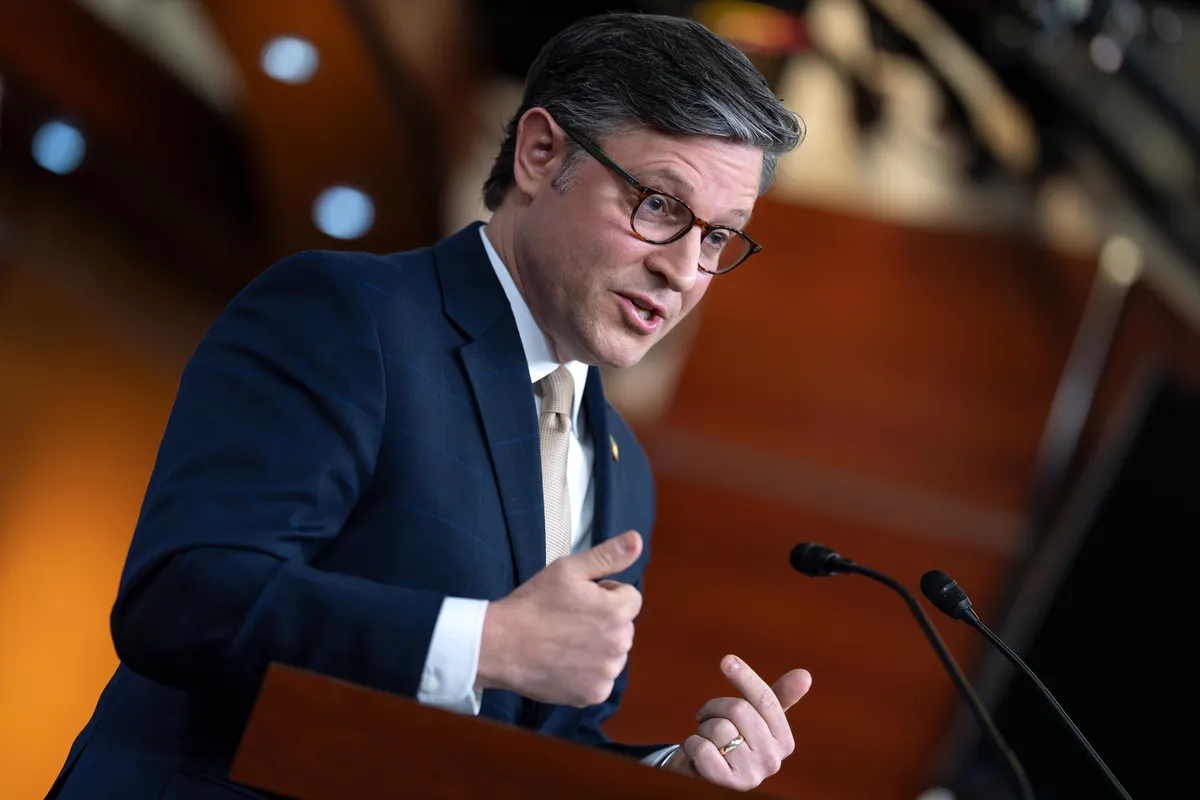
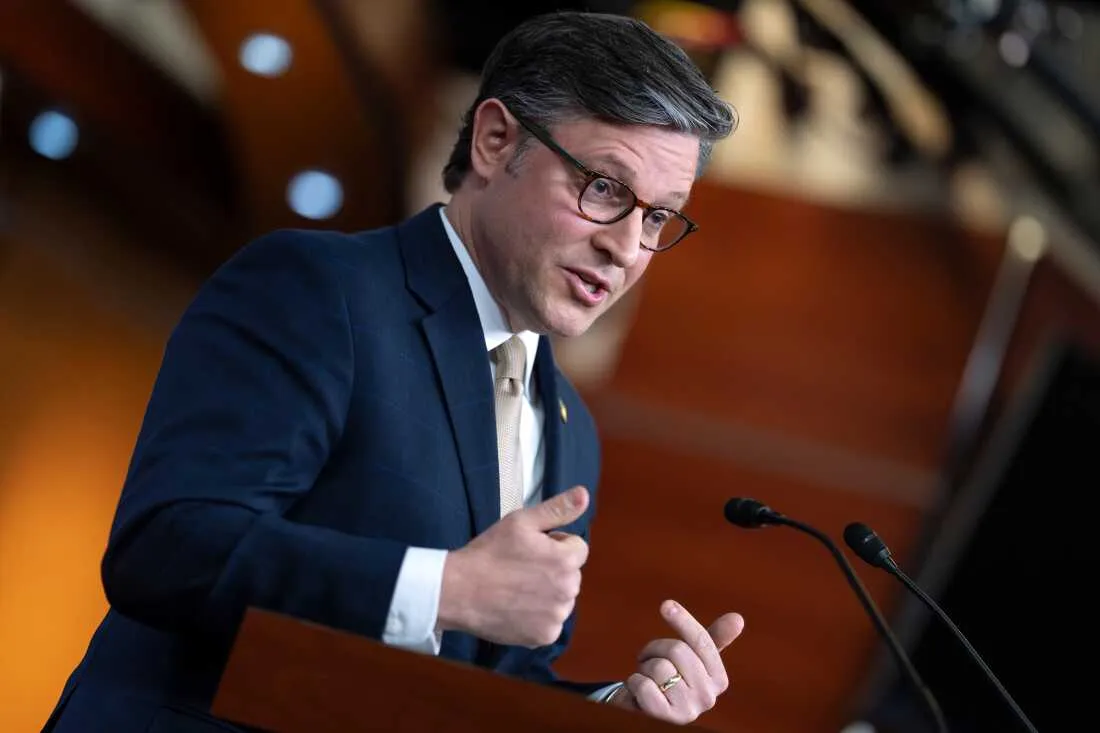
House Speaker Mike Johnson has introduced a new legislative proposal to extend a key U.S. government surveillance authority, according to NPR, with the program set to expire on April 30 if Congress fails to act.
The proposal centers on reauthorizing Section 702 of the Foreign Intelligence Surveillance Act, commonly known as FISA 702, a program that allows American intelligence agencies to collect communications of foreign nationals located outside the United States. The program has long been considered a cornerstone of U.S. counterterrorism and national security operations.
A contentious path forward
Johnson's latest plan marks the third attempt by House leadership to advance legislation on the issue. Two previous votes failed to produce the necessary support, reflecting deep divisions within Congress over the scope and oversight of domestic surveillance powers.
FISA 702 has drawn criticism from lawmakers on both sides of the political aisle. Civil liberties advocates and some conservative members of Congress have raised concerns about the program's potential to capture communications involving American citizens without a warrant - a practice critics describe as an unconstitutional infringement on privacy rights.
Proponents of the program, including intelligence officials and national security-focused lawmakers, argue that FISA 702 is an indispensable tool for identifying foreign threats and that existing safeguards are sufficient to protect Americans' rights.
Details of the new proposal
NPR reported that Johnson's new framework attempts to bridge the gap between those pushing for stronger privacy protections and those prioritizing the uninterrupted continuation of intelligence-gathering capabilities. Specific provisions of the proposal were not fully detailed in available reporting at the time of publication.
The tight deadline adds urgency to the negotiations. A lapse in the program's authority would disrupt intelligence operations that U.S. officials say are critical to national security, though the precise operational impacts of a short-term expiration remain a matter of debate among legal and intelligence experts.
Broader context
FISA 702 has been a recurring flashpoint in American politics since it was first authorized under the FISA Amendments Act of 2008. It has been reauthorized multiple times since, typically after contentious debate over the boundaries between surveillance powers and civil liberties protections.
The current standoff reflects ongoing tensions within the Republican-led House, where Johnson has struggled at times to build consensus on major legislative priorities. Whether the new proposal will attract enough votes from both parties remains unclear as the deadline approaches.