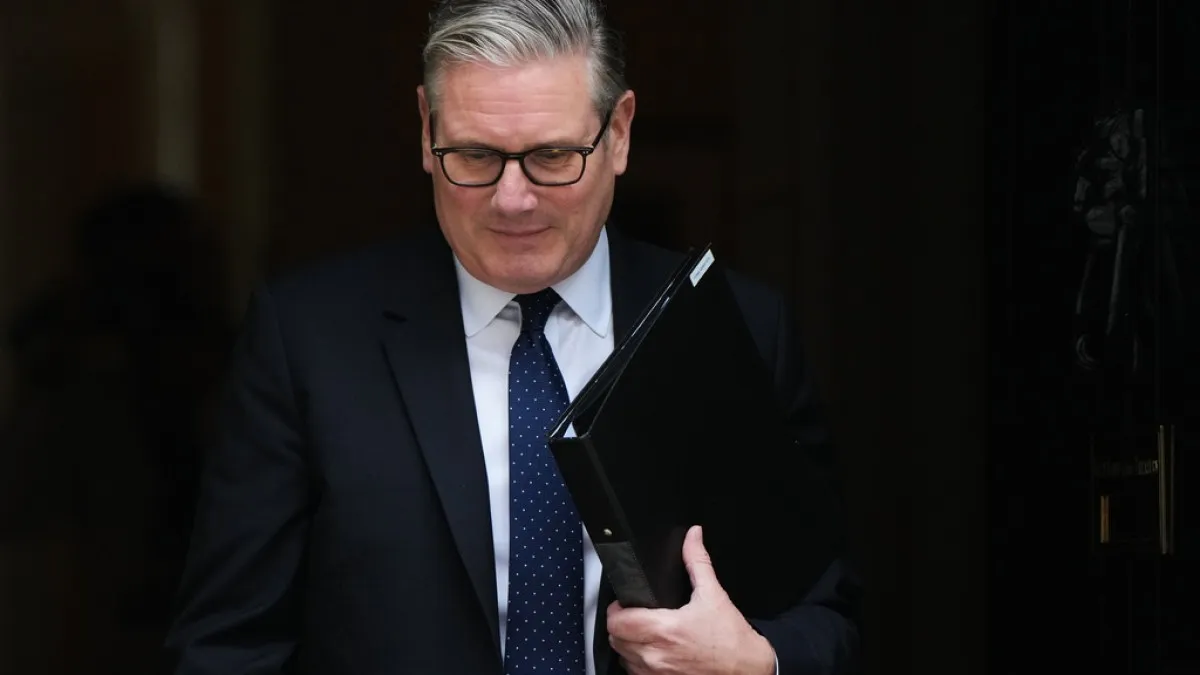
British Prime Minister Keir Starmer has publicly acknowledged that his decision to appoint Peter Mandelson as the UK's ambassador to the United States was a mistake, while firmly rejecting opposition demands that he step down over the matter, according to reporting by Al Jazeera.
Starmer insisted he had no knowledge at the time of the appointment that security officials had recommended Mandelson be sidelined due to his connections to the late financier and convicted sex offender Jeffrey Epstein.
The admission marks a significant moment for Starmer's government, which has faced mounting pressure since details emerged suggesting that concerns from within the security establishment were not communicated to or acted upon by the prime minister before Mandelson was named to the high-profile diplomatic post in Washington.
Security concerns and Epstein links
The controversy centers on whether Mandelson's past associations with Epstein should have disqualified him from one of Britain's most strategically important ambassadorial roles. Security officials reportedly flagged concerns and advised that Mandelson be kept away from sensitive positions, though the precise nature and timing of those recommendations remain a matter of dispute.
Starmer's acknowledgment that he was not informed of those recommendations has drawn criticism from political opponents, who argue the failure represents either a serious breakdown in government vetting processes or a deliberate effort to keep the prime minister insulated from inconvenient information.
Resignation calls rejected
Despite the admission, Starmer pushed back firmly against calls from opposition figures that he resign over the handling of the appointment. The prime minister framed the episode as an administrative failure rather than a personal failing, though he did not offer a detailed explanation of how the security advice failed to reach him before the decision was made.
Mandelson, a veteran Labour figure and former European Union trade commissioner, has been a central figure in British and European politics for decades. His ties to Epstein, who died in a US jail in 2019 while awaiting trial on federal sex trafficking charges, have drawn renewed scrutiny as governments and institutions worldwide continue to reassess past associations with the financier.
The episode adds pressure to Starmer's government at a time when it faces broader questions about its decision-making processes and internal communications. Opposition parties are expected to continue pressing the issue in parliament.