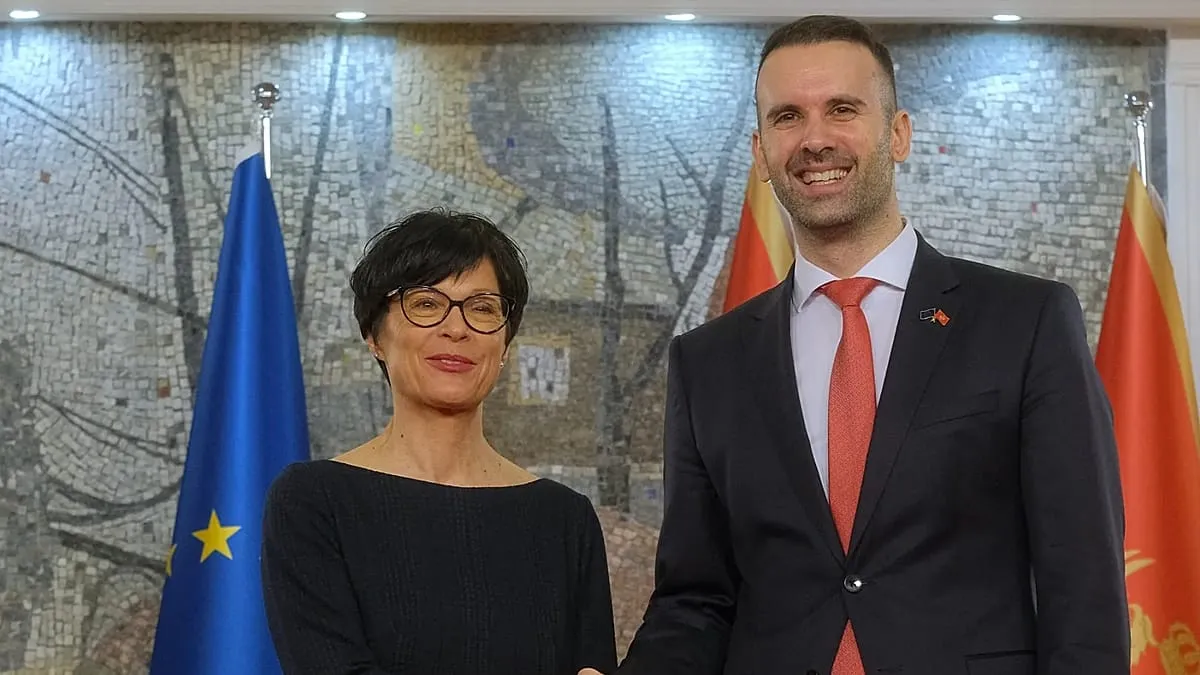
Montenegro is advancing toward European Union membership, with officials setting their sights on joining the bloc by 2028, according to reporting by Euronews. The small Adriatic nation has held candidate status since 2010, making it one of the longest-standing accession hopefuls in the EU's enlargement process.
If successful, Montenegro would become the EU's 28th member state, marking the first expansion of the bloc in nearly a decade since Croatia joined in 2013.
A long road to accession
Montenegro formally opened accession negotiations with the EU in 2012 and has since been working through the bloc's complex set of requirements, which cover areas ranging from rule of law and judicial reform to economic standards and alignment with EU regulations.
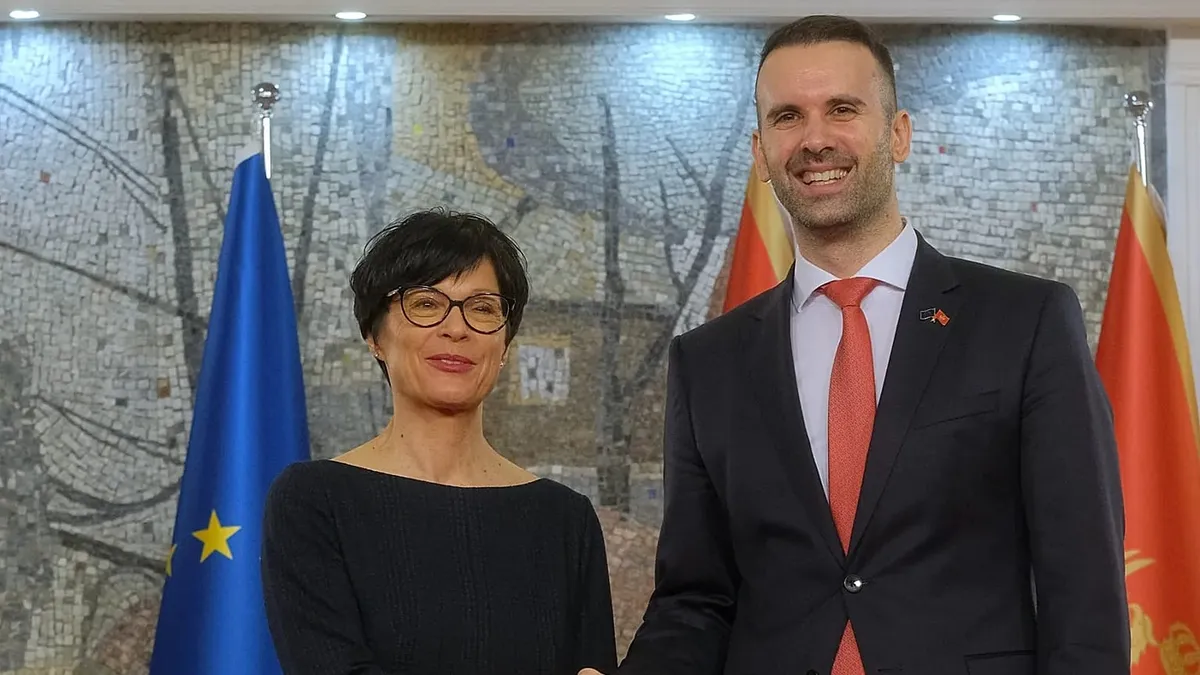
The country has faced persistent challenges in its bid, particularly around corruption, organized crime, and press freedom - areas that EU officials have repeatedly flagged as requiring substantial progress before membership can be granted.
Despite these hurdles, Montenegro has maintained its position as one of the more advanced candidates among the western Balkan states seeking to join the bloc. It has opened and provisionally closed more negotiating chapters than any other candidate country in the region.
Broader enlargement push
Montenegro's renewed push comes amid a wider revival of EU enlargement ambitions. The European Commission has signaled increased urgency around expanding the bloc into the western Balkans and beyond, partly in response to geopolitical pressures stemming from Russia's war in Ukraine.
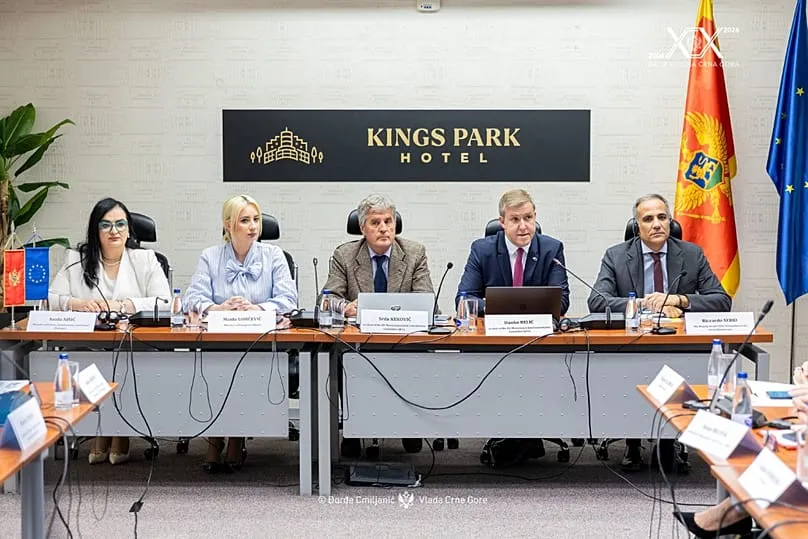
EU leaders have framed enlargement as both a strategic and security priority, with several member states advocating for a faster and more credible accession process to anchor neighboring countries more firmly within Europe's political orbit.
For Montenegro, a country of roughly 620,000 people, EU membership would represent a significant geopolitical and economic milestone. The nation is already a NATO member, having joined the alliance in 2017.
What remains to be done
Analysts have noted that while Montenegro's 2028 target is more realistic than it might have seemed in previous years, it remains ambitious. Key reforms in the judiciary and ongoing concerns about political stability will need to be addressed to satisfy the conditions set by Brussels.
The EU accession process requires unanimous approval from all existing member states, meaning any one country can effectively block or delay a candidate's entry. Candidate countries must also align their domestic laws with the full body of EU legislation, known as the acquis communautaire, before accession can be completed.
Euronews reported that Montenegrin officials remain optimistic about meeting the timeline, though the path forward will depend heavily on the pace of domestic reforms and continued political commitment from both Podgorica and Brussels.