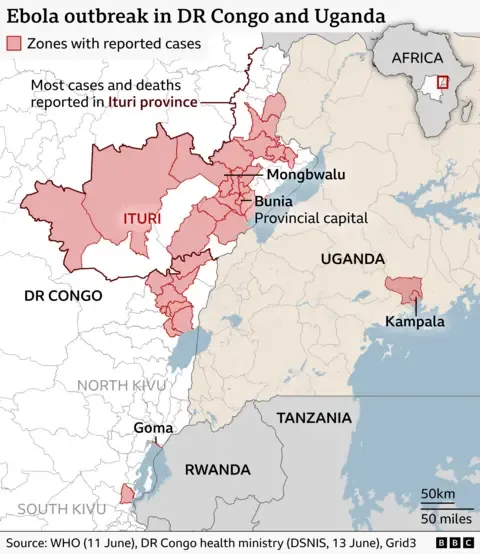
If you thought 2025 needed one more nightmare to juggle, the Democratic Republic of Congo has been quietly fighting an Ebola outbreak that has already claimed more than 170 lives. The BBC recently travelled to the epicentre of the crisis to report on what is a genuinely terrifying situation - and, remarkably, found pockets of human warmth and joy holding their own against the darkness.
A virus that doesn't do subtlety
Ebola is, to put it in the most scientific terms possible, absolutely brutal. The DRC has battled more outbreaks of the virus than any other country on Earth, giving its health workers and communities a grim kind of expertise most nations never want to develop. According to the BBC's reporting, the current outbreak has pushed local health systems and responders to their limits, with the death toll surpassing 170 at the time of publication.
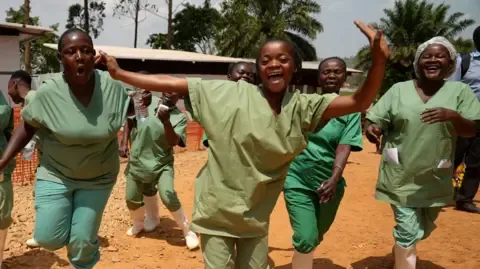
Yet, as the BBC journalists discovered on the ground, the story is not purely one of despair. Amid the makeshift treatment centres, the protective gear, and the isolation protocols, there are glimpses of something deeply human - celebration, laughter, and resilience finding their way through the cracks.
The humans behind the hazmat suits
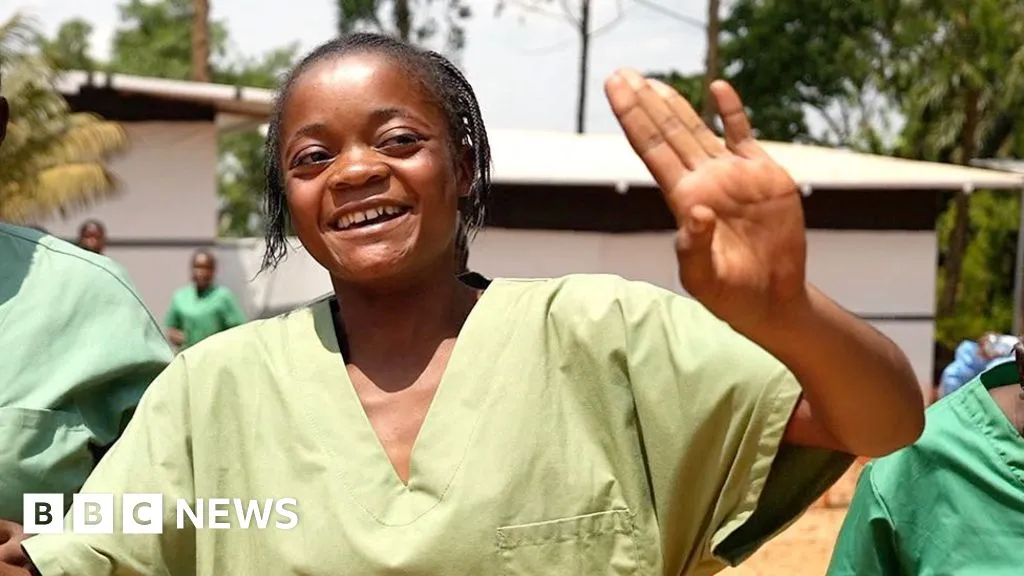
One of the most striking elements of the BBC's report is the portrait it paints of healthcare workers and survivors. These are people who clock in every day to face one of the world's most feared pathogens, yet still manage to hold onto moments of genuine happiness - whether that's a patient recovering and walking out of a treatment unit, or small communal celebrations that refuse to be cancelled by a virus.
It is, frankly, the kind of story that puts your own bad day into sharp perspective.
Why the world should be paying attention
The DRC has historically struggled to attract sustained global attention to its crises - despite hosting some of the most complex humanitarian emergencies on the planet. Ebola outbreaks in the country have previously been brought under control through a combination of vaccination campaigns, contact tracing, and extraordinary local effort, but each new outbreak is its own race against the clock.
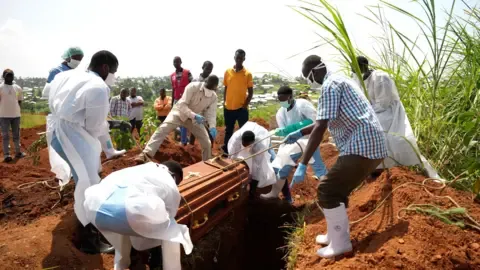
With more than 170 confirmed deaths and communities living under the shadow of the virus, international support - financial, logistical, and medical - remains critical.
The BBC's dispatch is a timely reminder that behind every grim statistic, there are communities still laughing, still grieving, and still fighting. Sometimes all three at once.
Source: BBC News