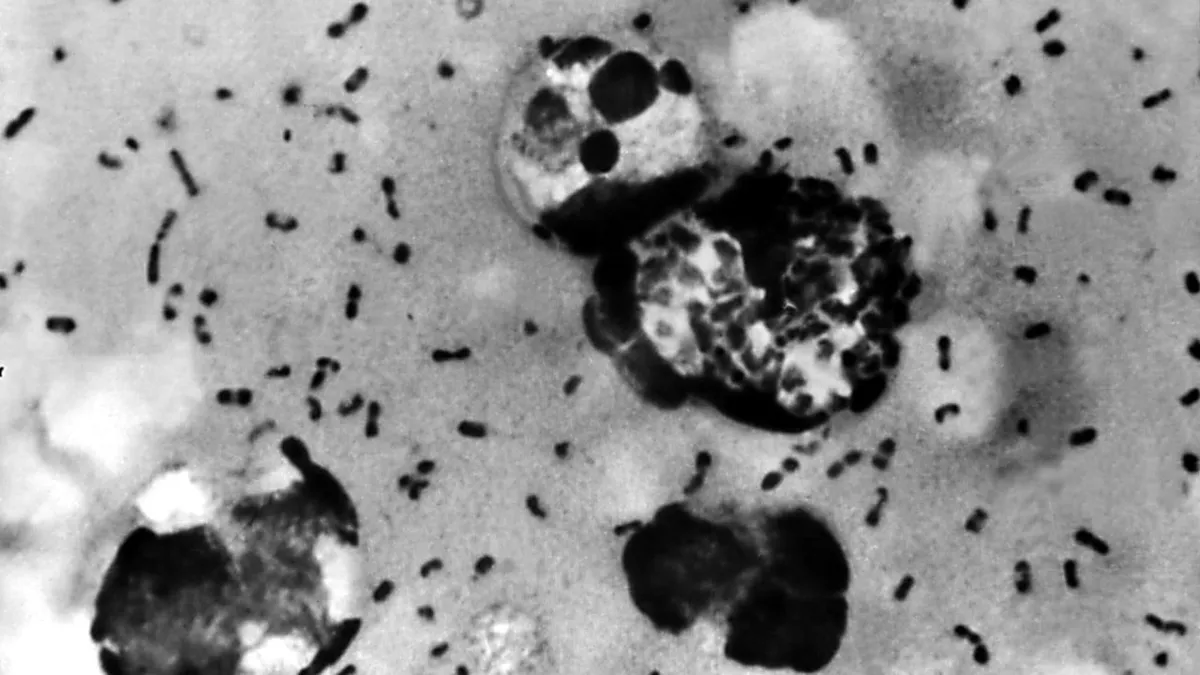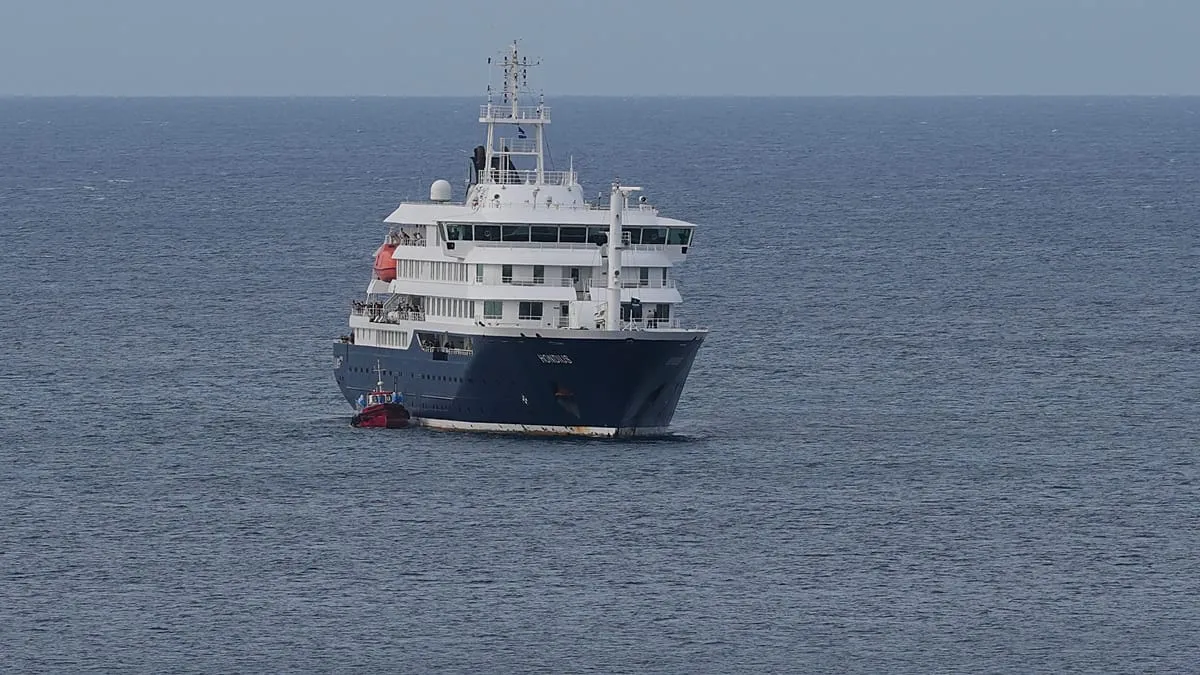
Nothing ruins an all-inclusive holiday quite like a viral outbreak named after a rodent. According to a report by Euronews Health, a hantavirus outbreak has been confirmed aboard a cruise ship in the Atlantic Ocean, and yes, that sentence is as alarming as it sounds.
So what even is hantavirus?
Hantavirus is not your garden-variety stomach bug. It is a serious illness primarily associated with rodents - specifically their urine, droppings, and saliva. Humans typically contract it through inhaling contaminated particles, not through person-to-person contact, which is the one small mercy in all of this. The virus can cause Hantavirus Pulmonary Syndrome (HPS) or Hemorrhagic Fever with Renal Syndrome (HFRS), both of which are serious conditions that require prompt medical attention.
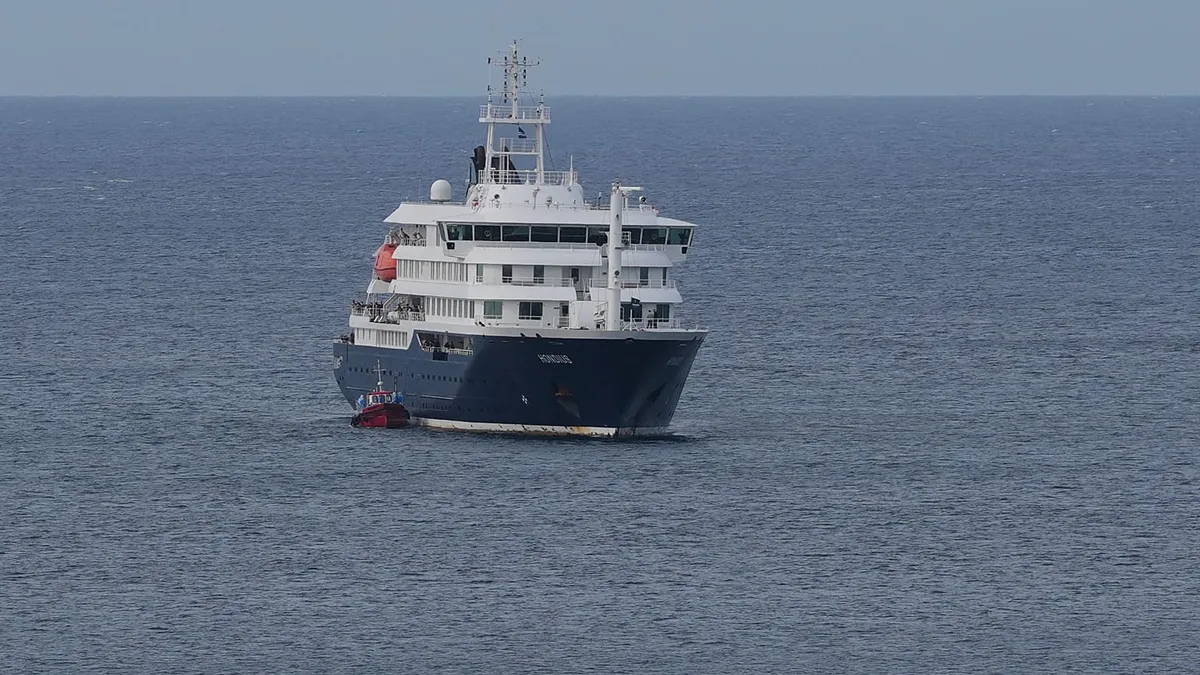
A cruise ship though - really?
Here is where it gets nautically weird. Cruise ships, for all their floating-resort glamour, are not immune to pest-related health concerns. Large vessels can carry stowaways of the furry, uninvited variety, and the enclosed, often densely populated environment of a cruise ship creates conditions where exposure risks - however indirect - become harder to manage. The Euronews report raises broader questions about health protocols and pest control standards aboard commercial cruise liners operating in international waters.
What should worried travellers know?
Health experts, as cited by Euronews, emphasise several key points for anyone currently at sea or planning a voyage:
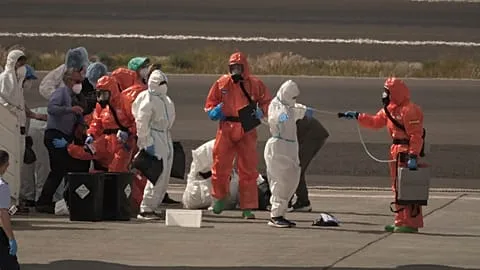
- Hantavirus does NOT spread between people, so panic about your sneezing neighbour at the dinner table is probably misplaced.
- Symptoms include fever, muscle aches, and in more severe cases, respiratory distress - if you feel unwell on board, report it to the ship's medical team immediately.
- Avoid contact with rodents or any areas showing signs of rodent activity, which admittedly is not typical holiday advice but here we are.
- Cruise operators are required to maintain pest management protocols, and international maritime health regulations do apply.
The bigger picture
This outbreak is a reminder that infectious disease risks do not clock out when you board a ship with a waterslide. Enclosed environments with international passenger populations have historically been hotspots for rapid disease transmission - cruise ships learned that lesson hard during the early days of COVID-19, and the industry has since bolstered many of its health frameworks.
Whether this particular outbreak reflects a gap in those frameworks or simply an unlucky encounter with an infected rodent stowaway remains, at the time of writing, unclear. Authorities are reportedly investigating.
In the meantime, perhaps check that your travel insurance covers "surprise rodent-associated viral illness at sea." Just in case.
Source: Euronews Health