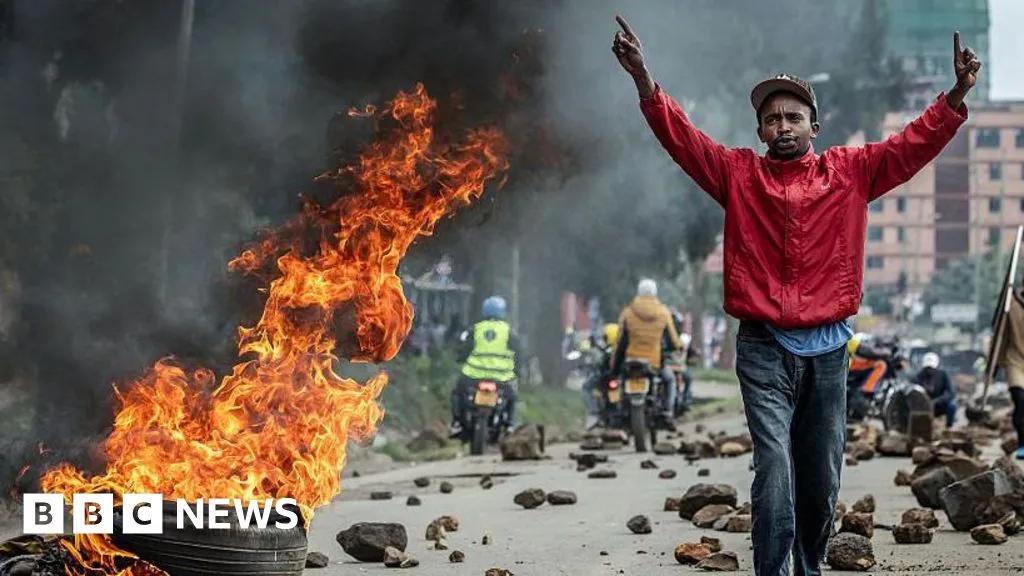
Kenya is experiencing what can only be described as a vehicular standoff of biblical proportions, as a nationwide transport strike over skyrocketing fuel prices has left major roads eerily empty and sent schoolchildren home early - which, depending on your age and homework situation, is either a disaster or an absolute gift.
According to BBC News, the strike has paralysed transport across the country, with key roads running largely deserted as matatu operators and other transport workers downed tools in protest against fuel prices they say have become completely unsustainable. Some schools, unable to guarantee students could actually get to or from the premises safely, reportedly asked pupils to stay home for the day.
Why is everyone so angry at the pump?
Kenya has been grappling with persistently high fuel costs, which have a brutal ripple effect on basically everything - transport fares, food prices, and the general mood of anyone trying to run a small business. For transport operators who live and die by their fuel expenditure, the numbers have simply stopped making sense. When it costs more to run your matatu than you can possibly earn from passengers, parking it and picking up a protest sign starts looking like solid financial planning.
The strike reflects a broader frustration among Kenyans who feel the economic squeeze tightening from multiple directions at once. High fuel prices are not a new grievance, but collective action of this scale suggests patience has officially run out.

The ripple effects
An empty road in Nairobi is, statistically speaking, something most residents have never actually seen during daylight hours. The strike essentially performed what no urban planner has ever managed - a traffic-free city. The downside, of course, is that people who depend on public transport to get to work, hospitals, and markets were left stranded.
Schools calling students back home added another layer of logistical chaos for families, particularly those with parents already struggling to navigate a transport blackout.
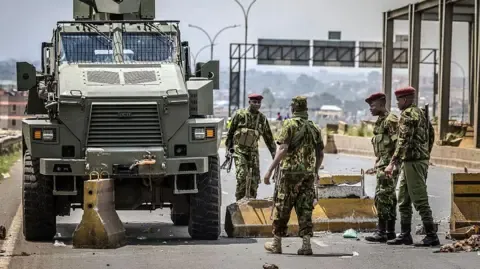
There is no word yet, per the BBC report, on how long the strike is expected to continue or whether government authorities have opened any meaningful dialogue with striking operators to address the core fuel price complaints.
What is clear is that Kenya's transport workers have found a very effective way to make their point - nothing says 'we are serious' quite like bringing an entire country's road network to a standstill before lunchtime.