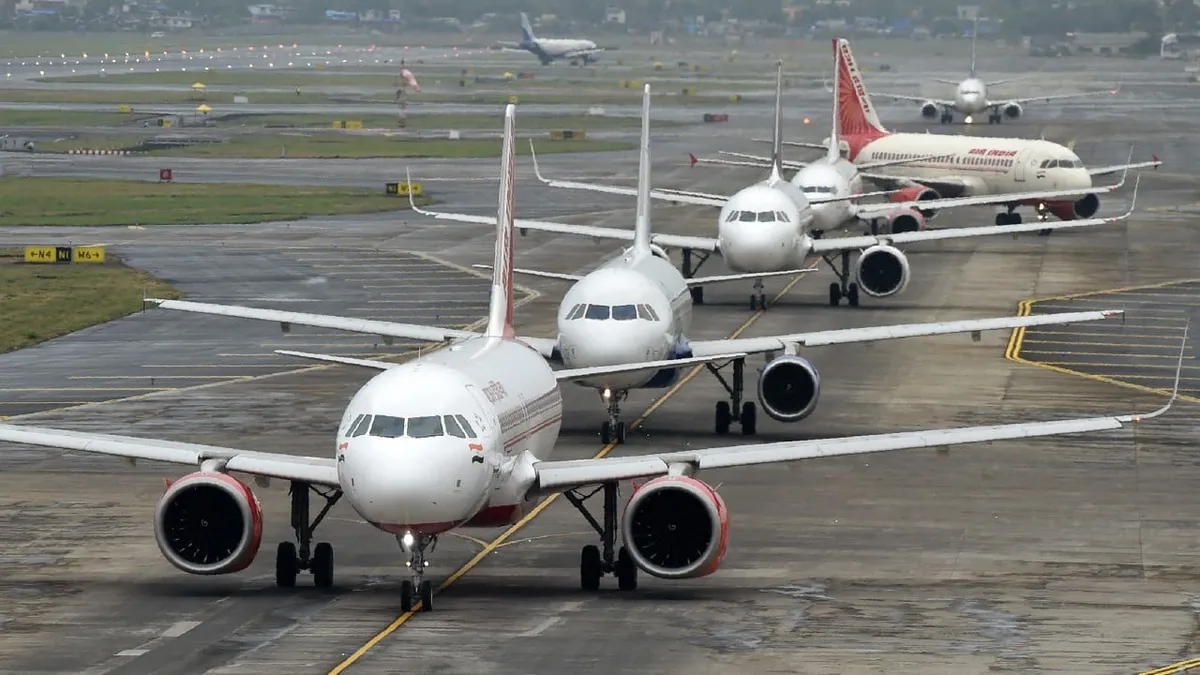
If you thought your last plane ticket was expensive, buckle up - because Asian airlines are currently doing the aviation equivalent of watching their wallets catch fire, and they are not happy about it.
According to a report by the South China Morning Post, the Iran war has sent jet fuel prices soaring across the region, forcing carriers to cut flights, hike fares, and reshuffle entire route networks just to stay afloat. Aviation analysts describe the situation as a "major headwind" - which is the polite, professional way of saying things are genuinely messy right now.
Why Asia is getting hit harder than everyone else
The problem is not just expensive fuel - it is the structural vulnerability baked into the region. Many Asian economies depend heavily on fuel flows originating from the Middle East, meaning any disruption over there lands with extra force over here. Analysts note that several regional carriers are also less insulated from sudden price spikes compared to their counterparts in Europe or the United States, where hedging strategies and larger balance sheets offer more of a cushion.
In plain terms: when Middle Eastern fuel supply gets rattled, Asian airlines feel it faster and harder than most.
What airlines are actually doing about it
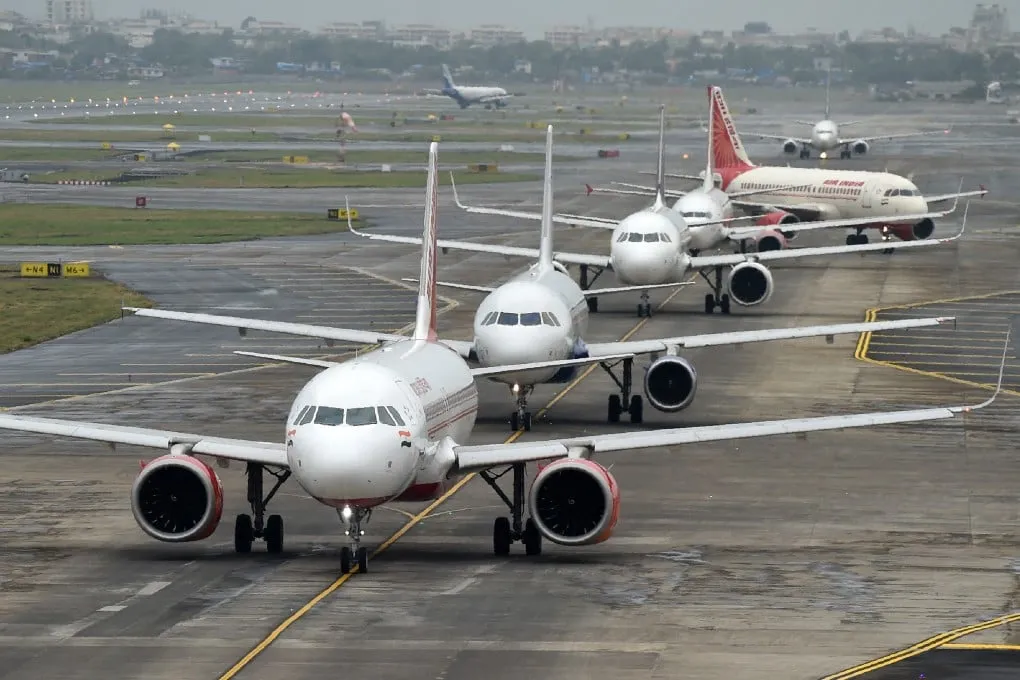
Carriers across the region are reportedly responding with a mix of painful but predictable measures. Cutting less profitable routes, squeezing more revenue out of remaining flights through higher fares, and reshuffling networks to minimize fuel burn wherever possible are all on the table. None of these are particularly great news for travellers hoping for cheap regional hops anytime soon.
The concern among analysts is that if prices remain elevated for an extended period, some carriers - particularly smaller regional ones with thinner margins - could face genuinely difficult decisions about which routes are worth keeping alive at all.
The bigger picture
This is yet another reminder of how geopolitical turbulence thousands of kilometres away from your departure gate can quietly inflate the cost sitting on your booking screen. Jet fuel typically accounts for a massive chunk of airline operating costs - often somewhere between 20 and 30 percent - meaning price swings hit the bottom line fast and hard.
For now, Asian airlines are adapting as best they can. Whether that adaptation mostly lands on passengers in the form of higher fares, or on shareholders in the form of squeezed profits, remains to be seen. Probably both, honestly.