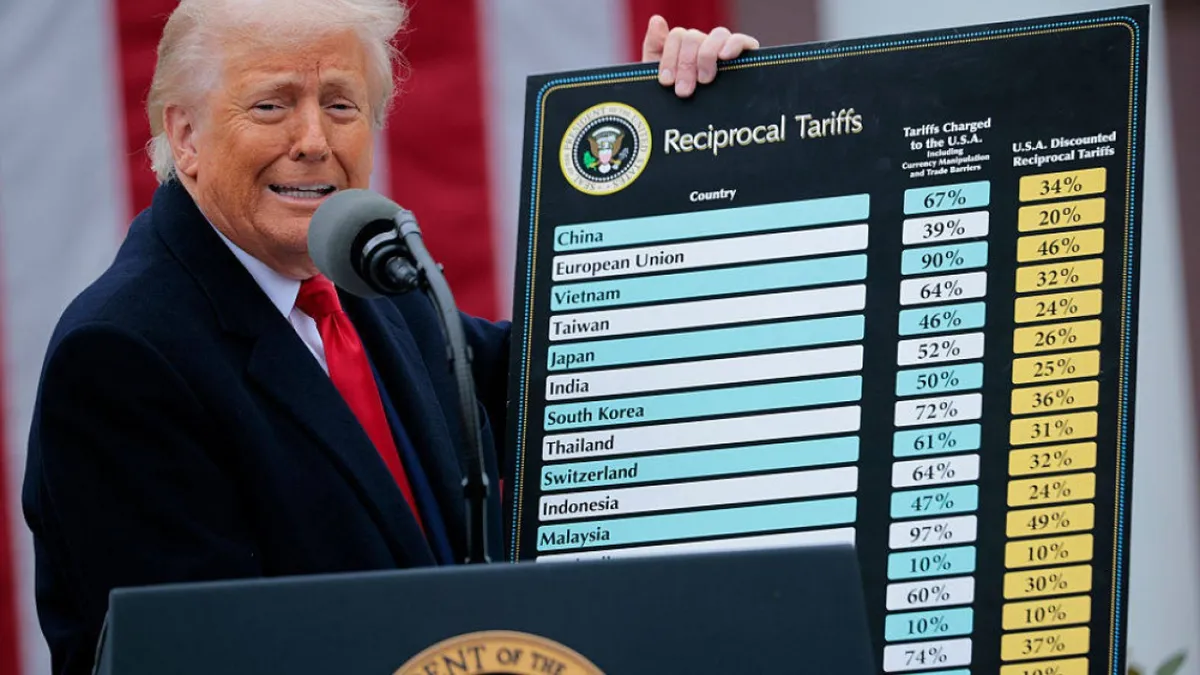
In a move that screams 'please don't ruin the vibe before the big date,' China has formally urged the United States to scrap its latest Section 301 trade investigation - and the timing is about as subtle as a panda in a china shop.
According to the South China Morning Post, the plea came during a Washington hearing held just days before a planned summit between Donald Trump and Xi Jinping, making it one of the more high-stakes lobbying efforts we've seen in recent memory.
What's the actual beef here?
The investigation in question is a Section 301 probe - a US trade law mechanism that essentially lets Washington penalise countries accused of unfair trade practices. This particular probe targets alleged 'excess capacity,' which is the US government's way of saying China is flooding global markets with subsidised goods, undercutting everyone else in the process.
China, unsurprisingly, disagrees. Michelle Zang, speaking at the hearing on behalf of the China Chamber of International Commerce (CCOIC) - a state-backed trade body - argued that the investigation quote 'lacks sufficient statutory basis and supporting evidence' and 'circumvents several established multilateral mechanisms.' That's diplomatic speak for 'you're making this up and you're skipping the proper channels to do it.'
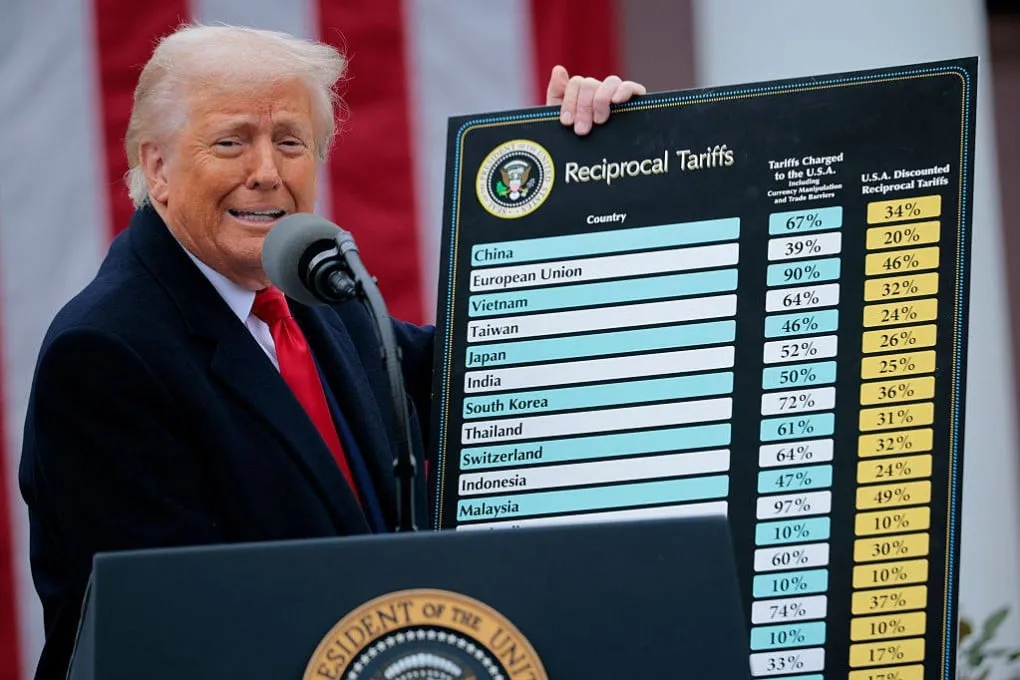
The summit elephant in the room
The hearing itself would be noteworthy on any given Tuesday, but the scheduling here is doing a lot of heavy lifting. With a Trump-Xi summit on the horizon, Beijing appears to be making a calculated push to clear the air - or at least reduce the number of active trade grenades rolling around the room before the two leaders sit down together.
Whether that strategy works is anyone's guess. Trump has historically treated tariffs and trade probes like collectibles, and Section 301 investigations have become a favourite tool in the US trade arsenal. China pulling out the 'this is legally dubious' argument at a public hearing is a bold move - part legal challenge, part PR exercise, part preemptive diplomatic olive branch.
What to watch for
All eyes are now on whether the summit produces any concrete trade concessions, a temporary freeze on escalations, or just another round of very expensive photo opportunities. Given the current state of US-China relations, any of the above would be considered a result.
One thing is certain: the trade war soap opera remains appointment television, and this week's episode is shaping up to be a banger.