About 3 million Australian workers on minimum wage are getting a pay bump, but the unions pushing for more are probably not popping the champagne just yet.
The Fair Work Commission handed down its annual minimum wage decision on Tuesday, ruling that the vast majority of minimum wage workers will receive a 4.75% pay rise. A smaller group - roughly 100,000 of the country's lowest-paid workers - will get a more generous 6% increase, according to reporting by The Guardian.
So who gets what?
The tiered decision breaks down like this:
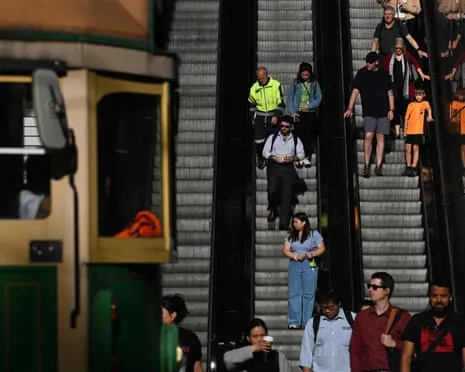
- Around 3 million workers covered by modern awards and the national minimum wage get a 4.75% increase.
- Approximately 100,000 workers at the very bottom of the pay scale receive the higher 6% rise.
Unions had been pushing hard for a 6% increase across the board, arguing that the war in the Middle East helped push inflation higher and eroded real wages for the people least able to absorb the hit. The Commission acknowledged the cost-of-living pressures but landed on a figure that tries to balance worker needs against what businesses can actually afford to pay.

Why the split decision?
The Commission's logic appears to be that the workers on the absolute lowest rung need the most protection from inflation, hence the higher 6% floor for that group. For everyone else in the minimum wage bracket, 4.75% was deemed sufficient - still above recent inflation figures, but not quite the full union ask.
It is worth noting that Australia's minimum wage system operates through a network of modern awards covering specific industries and occupations, which is why the numbers affected are so large and the decision carries such wide economic weight.
The bigger picture
This is not a small economic event. A pay rise touching 3 million workers has real knock-on effects for consumer spending, business costs, and inflation itself - the very thing unions were citing as the reason for the increase in the first place. Whether 4.75% is enough to keep pace with the cost of groceries, rent, and fuel is a question millions of Australians will be answering with their own bank accounts over the coming months.
Unions are unlikely to declare victory. Business groups are unlikely to declare disaster. In other words, the Commission may have done its job exactly right - or managed to annoy everyone equally, which in politics and wage arbitration is sometimes the same thing.