A temporary ceasefire between Israel and Lebanon, announced by U.S. President Donald Trump, has emerged as a critical diplomatic condition that helped unlock progress in ongoing peace negotiations between Washington and Tehran, according to analysts cited by the South China Morning Post.
The 10-day cessation of hostilities was not an isolated development. Analysts say it represented the final piece in a complex diplomatic sequence that Iran had tied to its willingness to participate in a second round of nuclear talks with the United States.
Pakistan's central role
The talks have been arranged by Pakistan, with support from Saudi Arabia, according to the report. The involvement of Islamabad as a mediator marks a notable shift in the diplomatic landscape surrounding Iran's nuclear program, traditionally dominated by European powers and direct bilateral pressure from Washington.
A first round of discussions has already taken place in Islamabad. A second round, described as potentially conclusive, has yet to be scheduled, though analysts suggest the Lebanon ceasefire agreement has cleared a significant obstacle to setting that date.
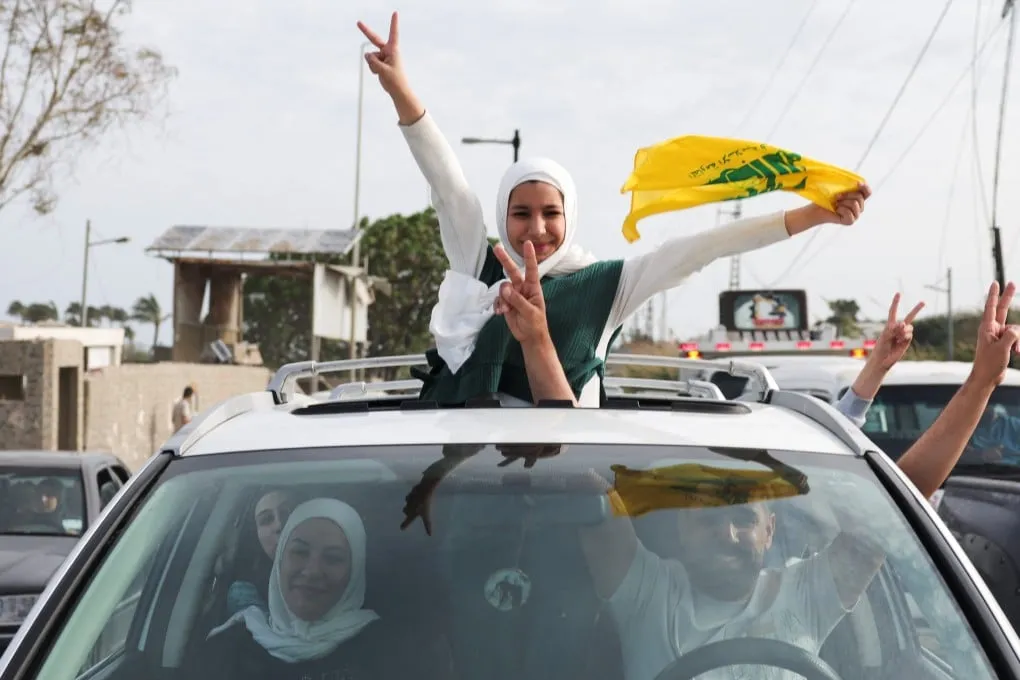
Iran's conditions and regional concerns
Iran's insistence on the Lebanon ceasefire as a precondition reflects broader anxieties in Tehran about Israeli military reach in the region. Analysts quoted in the report describe Iranian concerns over what they characterize as Israeli "hegemony" - a term reflecting fears that a weakened Hezbollah and an emboldened Israel could shift regional power dynamics against Iran's interests.
By securing a pause in the Lebanon conflict, Iran appears to have sought assurances that entering diplomatic negotiations with Washington would not coincide with further military pressure on its allies and partners in the region.
High-stakes diplomacy
The talks described in the South China Morning Post report involved high-level delegations on both sides. The precise demands and proposals exchanged have not been made fully public, though the nuclear program remains the central issue driving the negotiations.
The United States and Iran have not held direct, sustained diplomatic engagement of this nature for years. The involvement of Pakistan and Saudi Arabia as facilitators signals that regional actors are playing an increasingly active role in shaping the terms under which a potential agreement might be reached.
Whether a second round of talks will produce a substantive agreement remains uncertain. Analysts have noted that while the ceasefire announcement represents a diplomatic opening, significant gaps remain between the two sides on the core questions surrounding Iran's nuclear activities and the lifting of international sanctions.