Here is a fun game: tally up the destruction from a brutal regional war, slap a price tag on it, then watch world powers sign a big diplomatic deal that doesn't mention it once. That is, according to reporting by France 24, essentially what just happened to Lebanon.
The numbers are not pretty
A joint assessment by a UN agency and a Lebanese research centre puts the damage from the latest Israel-Hezbollah conflict in southern Lebanon at approximately $1.38 billion. That is a staggering figure for a country that was already economically on its knees before a single rocket was fired. Southern Lebanon bore the brunt of the destruction, and the communities there are now staring down a reconstruction challenge that would test even a well-functioning, well-funded government - neither of which Lebanon particularly has at the moment.
The deal that forgot Lebanon existed
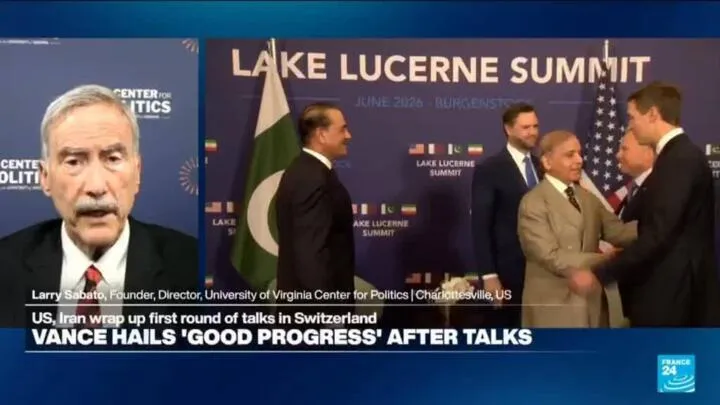
Here is where it gets awkward. The recently brokered US-Iran agreement - a 14-point deal that has been generating headlines across the region - reportedly includes a proposed $300 billion reconstruction fund. For Iran. Meanwhile, Lebanon, which hosted much of the actual fighting on its territory and absorbed the physical destruction, does not get a single line in that agreement, according to France 24's Renée Davis reporting from Beirut.
To put that in perspective: $300 billion for the country that was funding and arming one side of the conflict, and a polite silence for the country whose buildings, roads, and villages were reduced to concrete dust.

So who actually pays?
That is the multi-billion-dollar question - or the $1.38 billion question, to be precise. Lebanon has been lurching through an economic collapse since 2019, making any serious domestic reconstruction funding essentially a fantasy. International donors have historically been willing to help Lebanon rebuild after conflicts - but donor fatigue is real, political strings are always attached, and the country's governance track record does not exactly inspire confidence in checkbook-writing capitals.
The Gulf states, the European Union, and various multilateral institutions are the usual suspects when Lebanon comes looking for reconstruction money. Whether any of them will step up in a meaningful, coordinated way this time remains an open question - one that the people living among the rubble in southern Lebanon are probably asking a little more urgently than the diplomats are.
For now, the damage is counted, the deal is signed, and Lebanon is, once again, waiting to see if the world remembers it exists.