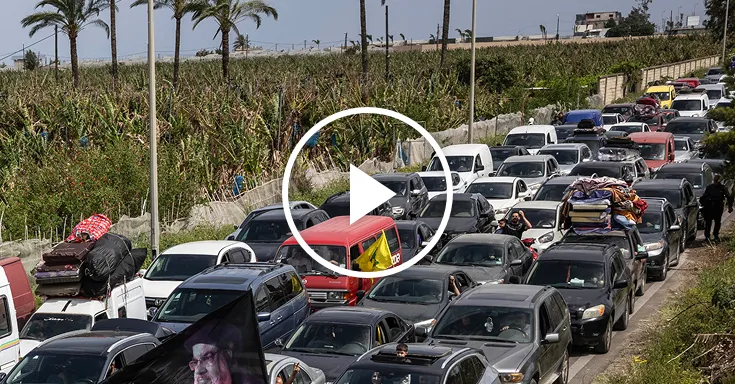
Thousands of displaced Lebanese civilians began returning to their homes in southern Lebanon following a ceasefire that paused months of fighting between Israel and Hezbollah, according to reporting by the New York Times.
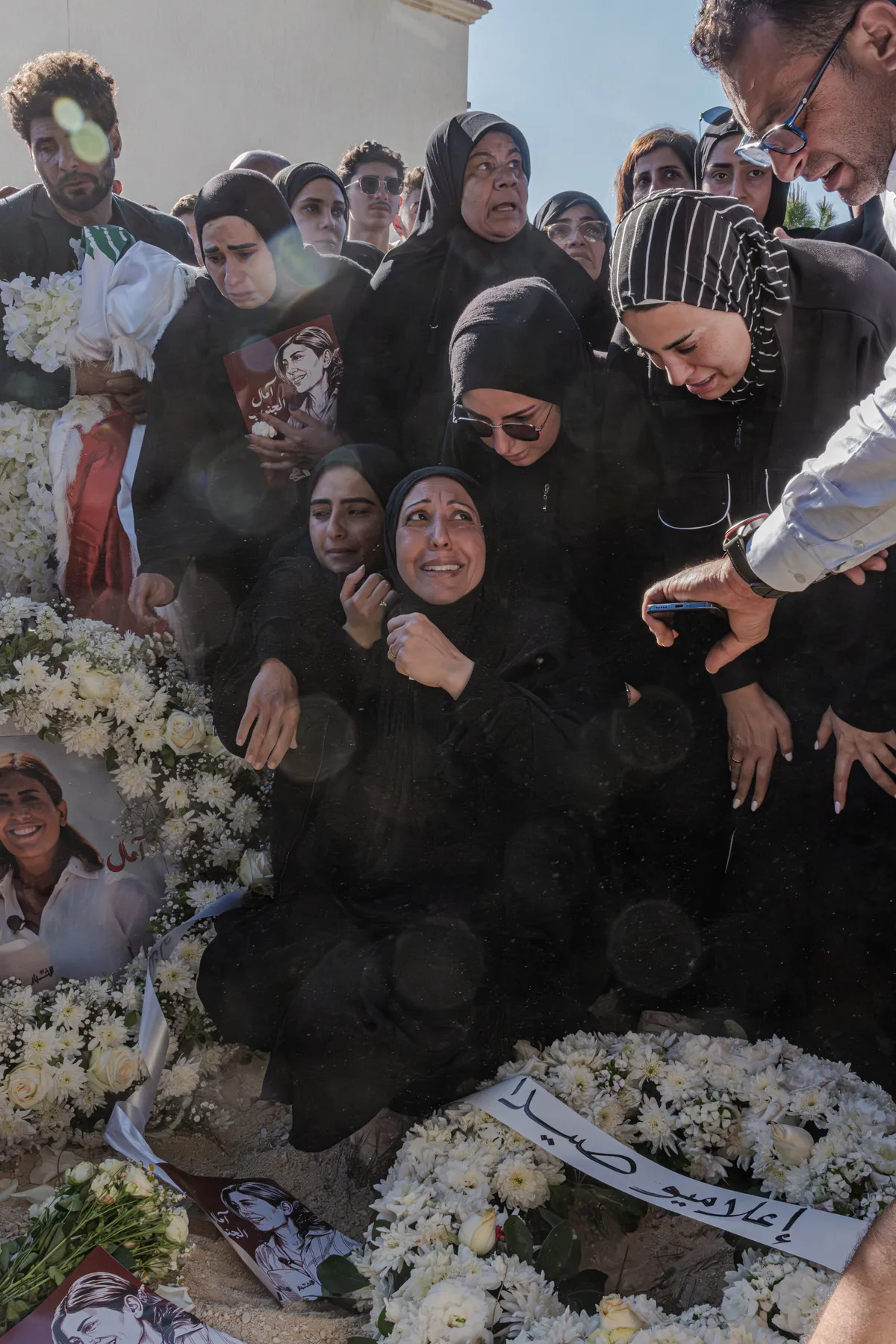
Visual journalist David Guttenfelder traveled alongside returning residents as they crossed back into the south, documenting the conditions they encountered after an extended period of conflict that had forced many to flee their communities.

What returning residents found
The journey back revealed widespread evidence of the destruction wrought during the fighting. Residents who had been displaced from villages in southern Lebanon made their way home through roads and checkpoints, many uncertain of what remained of their properties and neighborhoods.
Guttenfelder's reporting, published by the New York Times, provided a ground-level account of the human dimension of the ceasefire - capturing both the relief of people able to return and the reality of damage left behind by weeks of Israeli military operations targeting Hezbollah positions in the region.
Context of the ceasefire
The ceasefire represented a significant pause in a conflict that had escalated sharply in the latter months of 2024. Israel conducted extensive military operations in southern Lebanon aimed at degrading Hezbollah's military infrastructure, while Hezbollah launched rockets and missiles into northern Israel, displacing communities on both sides of the border.
Southern Lebanon had been a focal point of the conflict, with Israeli forces targeting areas that Hezbollah had long used as a base of operations. The fighting caused substantial civilian displacement within Lebanon, with large numbers of people fleeing northward away from the most intense combat zones.

The ceasefire agreement created conditions for displaced Lebanese to attempt to return, though the situation on the ground remained fragile and the long-term durability of the pause in fighting was unclear at the time of reporting.
A pattern repeated
The scenes documented by Guttenfelder echoed previous cycles of conflict and displacement in southern Lebanon, a region that has experienced recurring bouts of fighting between Israel and Hezbollah over several decades. For many residents, the return journey - and the uncertainty accompanying it - was not without precedent.
The New York Times reporting highlighted the human cost of the conflict beyond casualty figures, focusing on the lived experience of civilians navigating displacement, return, and the process of assessing what remained of their lives and homes in the aftermath of sustained military operations.