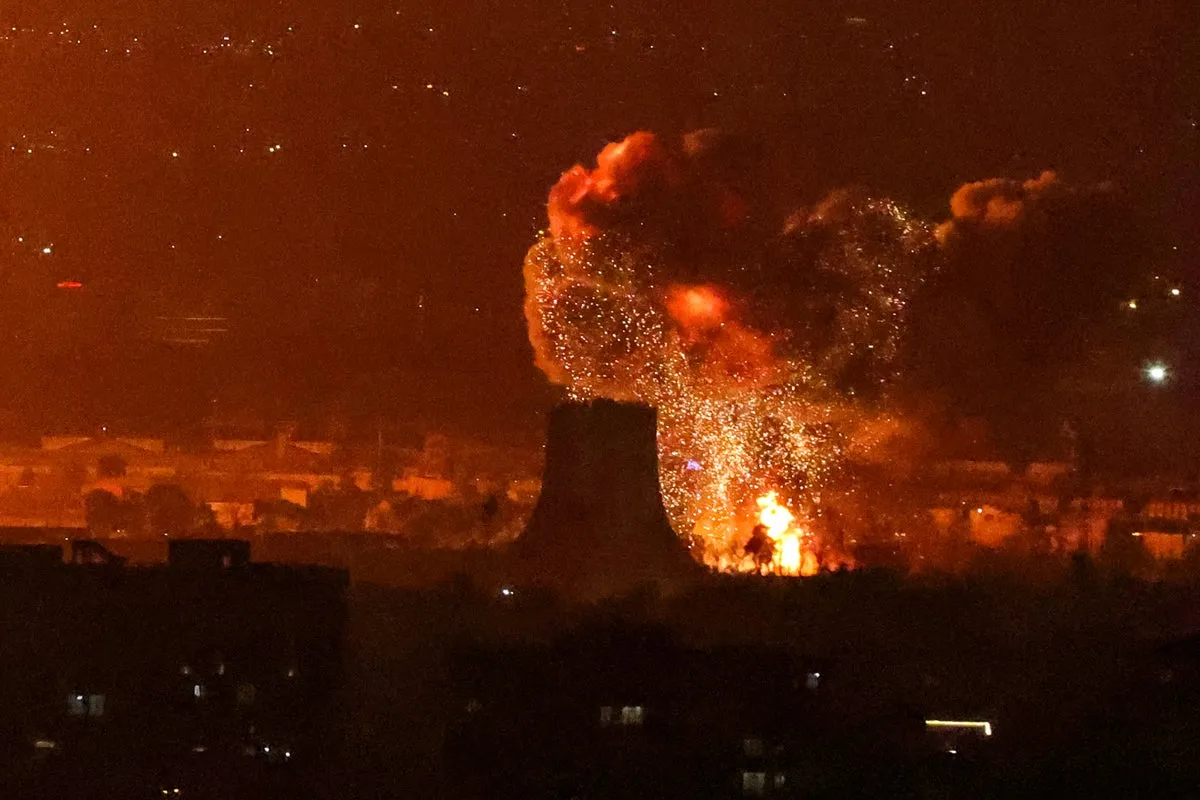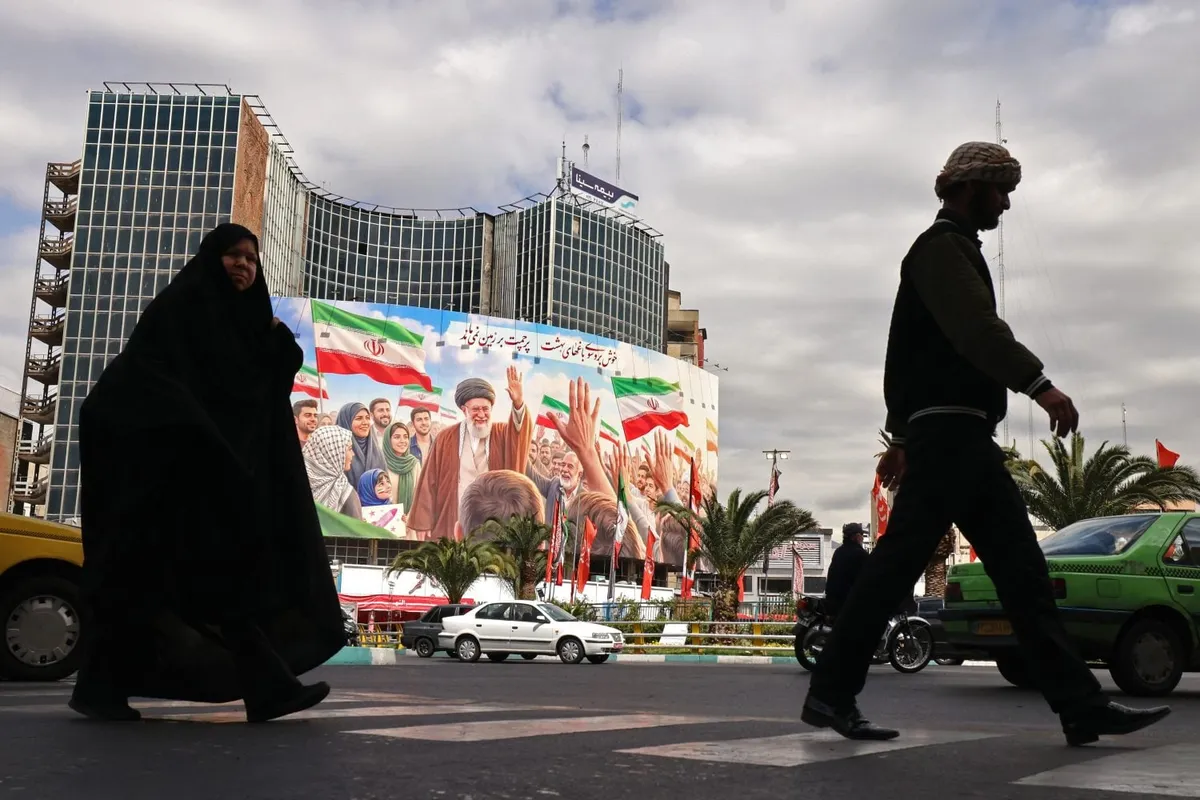
Despite U.S. and Israeli military strikes on Iran, daily life in Tehran has continued with a degree of normalcy that has surprised outside observers, according to a report by Foreign Policy published May 8, 2026.
The attacks appear to have triggered a rally-around-the-flag effect among ordinary Iranians, with residents expressing a surge of nationalist sentiment even among segments of the population that have previously been critical of the government.
Foreign Policy's reporting from Tehran's streets describes a city that, at least on the surface, is functioning. Markets remain open, people are commuting, and public spaces are occupied - a picture that contrasts with the scale of the geopolitical crisis unfolding around the country.
Nationalism in the face of external pressure
The phenomenon of populations uniting behind their governments during foreign military action is well-documented historically. Iran appears to be no exception. Citizens who might otherwise voice dissent are, for now, setting aside internal grievances in response to what many view as external aggression.
This consolidation of public sentiment represents a complication for U.S. and Israeli strategic calculations, which some analysts have suggested may have counted on the strikes exacerbating domestic discontent with the Iranian government.
A fragile stability
Foreign Policy's report notes that the apparent normalcy carries an important qualifier - "for now." The duration of this nationalist cohesion remains uncertain and will likely depend on how the conflict evolves, the degree of economic disruption, and whether civilian casualties mount.
Iran has experienced significant internal unrest in recent years, including widespread protests. Whether the current wave of national solidarity will outlast the immediate crisis, or whether prolonged conflict could eventually reignite domestic tensions, remains an open question.
The situation in Tehran highlights the difficulty of predicting how civilian populations respond to conflict - and the gap that can exist between the strategic assumptions of those who launch military operations and the realities on the ground.