If you ever needed a reminder that one industry's crisis is another industry's quarterly earnings bonanza, Lockheed Martin's CEO Jim Taiclet has helpfully provided it.
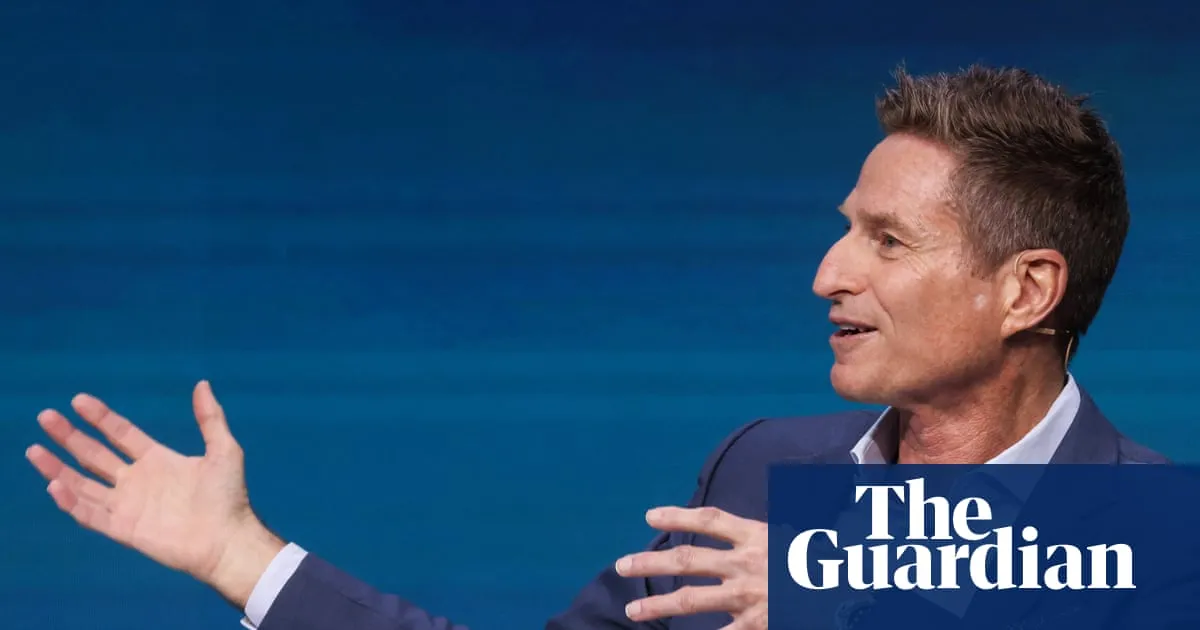
Speaking during the company's first quarter 2026 earnings call on Thursday, Taiclet told investors that the Trump administration represents a "golden opportunity" for Lockheed Martin, citing "more available resources" flowing toward the defense contractor as the United States deepens its involvement in the conflict with Iran, according to reporting by The Guardian.
Translation for those of us not fluent in defense-industry-speak: war is good for business, and business is apparently very good right now.
The 'golden opportunity' in question
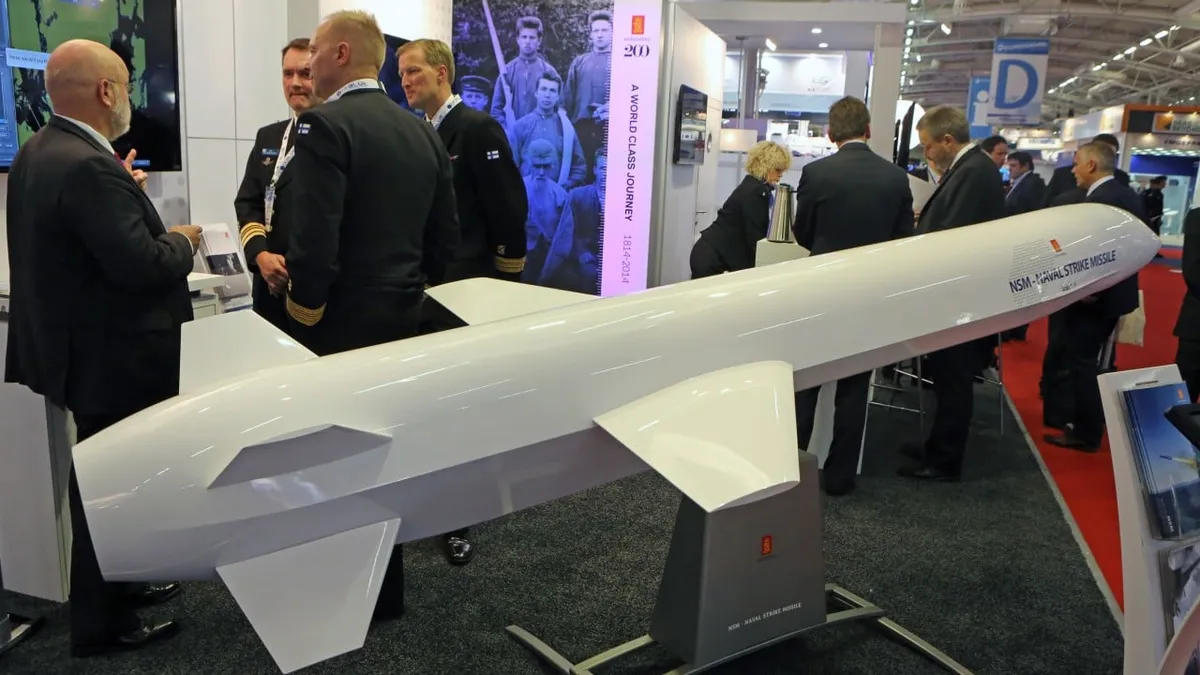
Taiclet's comments came as Lockheed Martin continues to expand its contracting footprint with the federal government. The company - which manufactures pretty much every big, expensive thing that flies, shoots, or explodes in the U.S. military's arsenal - is positioning itself as a primary beneficiary of increased Pentagon spending under the Trump administration.
The backdrop, of course, is the ongoing conflict in the Middle East involving Iran, which has accelerated demand for the kind of hardware that Lockheed Martin specializes in producing. Nothing moves defense budgets quite like an active conflict, and Lockheed's leadership appears acutely aware of that dynamic.
Refreshingly honest, if slightly uncomfortable
There is something almost admirably candid about a defense CEO openly describing a geopolitical crisis and an administration eager to fund military expansion as a "golden opportunity" - on a recorded earnings call, no less. Most corporations at least attempt a thin veneer of solemn responsibility in these moments.
Taiclet, apparently, did not get that memo - or simply decided investors deserved the unvarnished version.
To be fair, this is not unusual behavior in the defense sector. Companies like Lockheed Martin exist precisely to supply governments during times of elevated military demand. The CEO saying the quiet part loud is jarring mainly because most executives prefer softer euphemisms like "increased global security requirements" or "heightened geopolitical uncertainty."
What this means going forward
With the Trump administration signaling continued willingness to fund military operations and expand Pentagon contracts, Lockheed Martin appears set to enjoy a sustained period of strong government revenue. Whether that translates to good news for anyone beyond shareholders is, as always, a question the earnings call did not address.
The full Q1 2026 results were presented Thursday, with Taiclet's comments directed at investors assessing the company's growth trajectory.