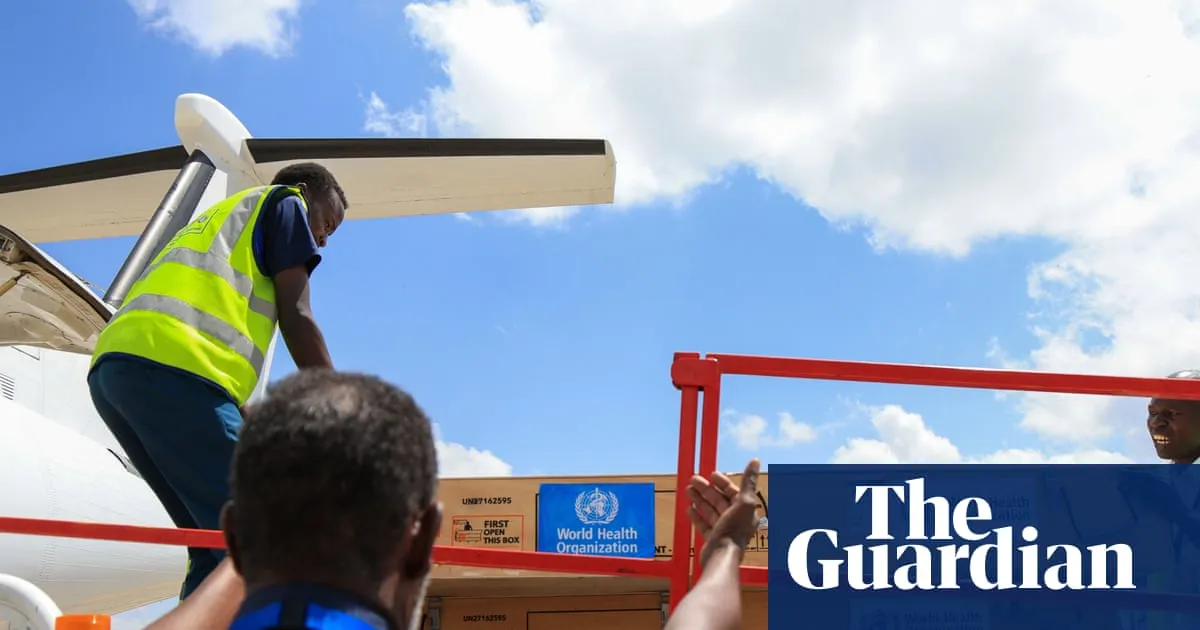
In what can only be described as the geopolitical equivalent of being told to wait outside, the Trump administration has confirmed it is constructing a quarantine and treatment facility in Kenya - specifically for Americans exposed to Ebola in the Democratic Republic of the Congo (DRC). Not in, say, America. Kenya.
The White House confirmed the plan on Wednesday, according to the Guardian, framing the Kenyan facility as the designated pit stop for US nationals who may have come into contact with the virus during the ongoing DRC outbreak. Rather than being repatriated for treatment on home soil - you know, the thing that happened during previous Ebola scares - affected Americans would instead be held and treated thousands of kilometers from US shores.
So what's the actual problem here?
Public health experts are raising eyebrows, and then some. Critics of the White House approach argue that keeping Americans abroad actually hurts treatment outcomes. The US has world-class infectious disease infrastructure - think the National Institutes of Health special clinical studies unit, or the biocontainment units at places like Emory University and Nebraska Medicine - built precisely for moments like this. Routing sick Americans through a newly constructed facility in East Africa, rather than established centers back home, strikes many in the medical community as counterproductive at best.
The broader concern, according to the Guardian's reporting, is that this policy prioritizes optics - keeping Ebola literally out of America - over the wellbeing of the Americans involved.
Context that matters
The DRC has been battling one of the most complex and deadly Ebola outbreaks in recent history, complicated by ongoing conflict in the region and significant logistical challenges for aid workers. American personnel - from NGO workers to public health responders - have been on the ground there, which is presumably how this quarantine question became urgent enough to warrant building a whole new facility abroad.
It is worth noting that previous administrations, including during the 2014-2016 West Africa outbreak, did bring exposed or infected Americans home for treatment, a policy that was controversial at the time but ultimately defended by health authorities as both humane and medically sound.
The bottom line
Whether this is a pragmatic containment strategy or a politically motivated "not in my backyard" overreach dressed up in public health language remains very much up for debate. What is not up for debate is that American citizens dealing with one of the world's most feared viruses might prefer a hospital in Atlanta over a brand-new facility in Nairobi - however well-intentioned.
The White House has not publicly detailed the timeline for the facility's completion or what medical standards it will meet.