In a geopolitical soap opera that combines weapons procurement, transatlantic finger-pointing, and a very awkward invoice, the United States has officially denied having any hand in Norway's decision to pull the plug on a missile sale to Malaysia - a deal that was, by almost any measure, nearly done.
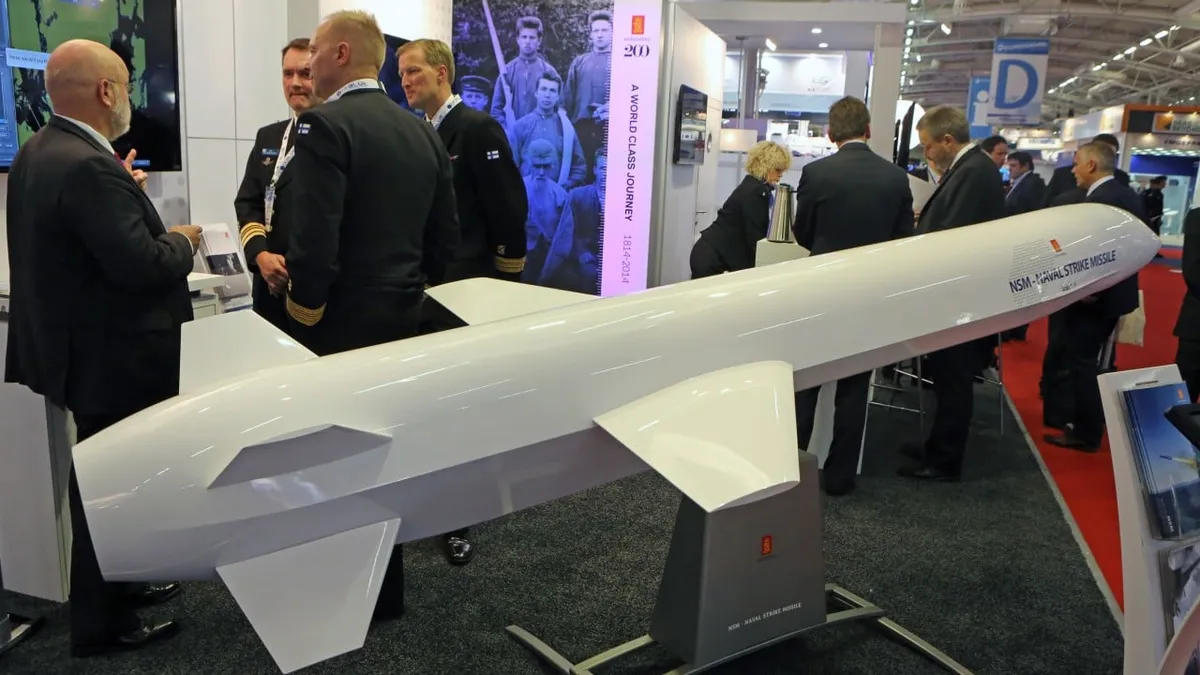
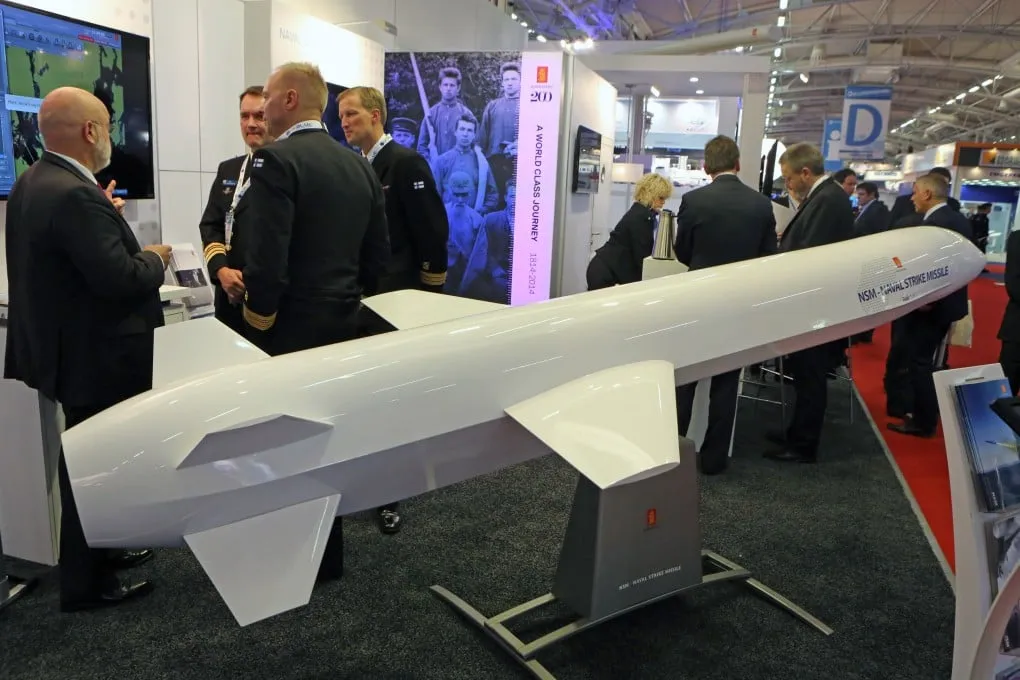
According to reporting by the South China Morning Post, the dispute centres on Naval Strike Missiles (NSMs) manufactured by Norwegian defence giant Kongsberg Defence & Aerospace. These were destined for a fleet of new Malaysian combat ships as part of a contract worth €126 million. Malaysia claims it had already forked over 95 per cent of the total payment. Ninety. Five. Per cent.
And then - poof. Norway cancelled it.
So who killed the missile deal?
That is the question rattling defence circles across Southeast Asia. The NSM, while Norwegian-built, contains American-made components - which means Washington technically holds veto power over where those missiles can end up. This detail immediately triggered speculation that the US had quietly leaned on Oslo to torpedo the transaction.
Washington, however, is having none of it. US officials denied any involvement, going further to say they had actually supported the acquisition. Whether that denial fully puts the rumours to bed is another matter entirely - this is international arms diplomacy, after all, not a group chat with read receipts.
Malaysia is, understandably, not thrilled
Kuala Lumpur has made its frustration clear. Paying 95% of a major defence contract and then getting the deal cancelled is the procurement equivalent of ordering a pizza, watching the delivery driver pull up to your house, and then having him drive away with your food for reasons nobody will fully explain.
The episode raises genuinely serious questions about how American component rules function as a shadow lever over allied nations' weapons exports - a dynamic that can leave buyers caught between sellers and an invisible third party with its hand on the off switch.
The bigger picture
Malaysia's military modernisation has been an ongoing priority, and the NSM was seen as a meaningful upgrade for its naval capabilities. The cancellation leaves a gap - both in hardware and in trust. Whether Norway, the US, or some combination of bureaucratic miscommunication is responsible may never be fully clarified in public.
For now, the US denial stands, Norway hasn't offered a fulsome explanation, and Malaysia is sitting on a very large, very paid-for IOU for missiles it doesn't have.