If you thought deportation policy couldn't get more surreal, buckle up. According to a report by NPR, the United States has deported approximately 15 South American migrants and asylum seekers to the Democratic Republic of Congo - a country they have absolutely no connection to, and one that happens to be in the middle of a brutal, ongoing armed conflict.
So... why the DRC?
That is, frankly, the question everyone should be asking. These individuals - migrants and asylum seekers originally from South American countries - were not Congolese nationals. They had no family there, no language in common, no cultural ties, and no support networks. Yet they now find themselves stranded in a nation that the UN and multiple humanitarian organizations consistently rank among the most dangerous places on Earth, particularly in the eastern regions where conflict between armed groups has displaced millions.
NPR reports that the deportees themselves are in a state of profound uncertainty. One of the individuals captured the situation bluntly:
"We don't know what will happen to us."That quote, pulled directly from NPR's coverage, is doing a lot of heavy lifting - and honestly, it should be haunting anyone who reads it.
A policy with eyebrow-raising implications
The move appears to be part of the Trump administration's broader and increasingly aggressive push to expand deportation destinations beyond traditional routes. Sending migrants to third countries - nations they have no ties to - raises serious legal and humanitarian red flags, according to immigration advocates and human rights observers.
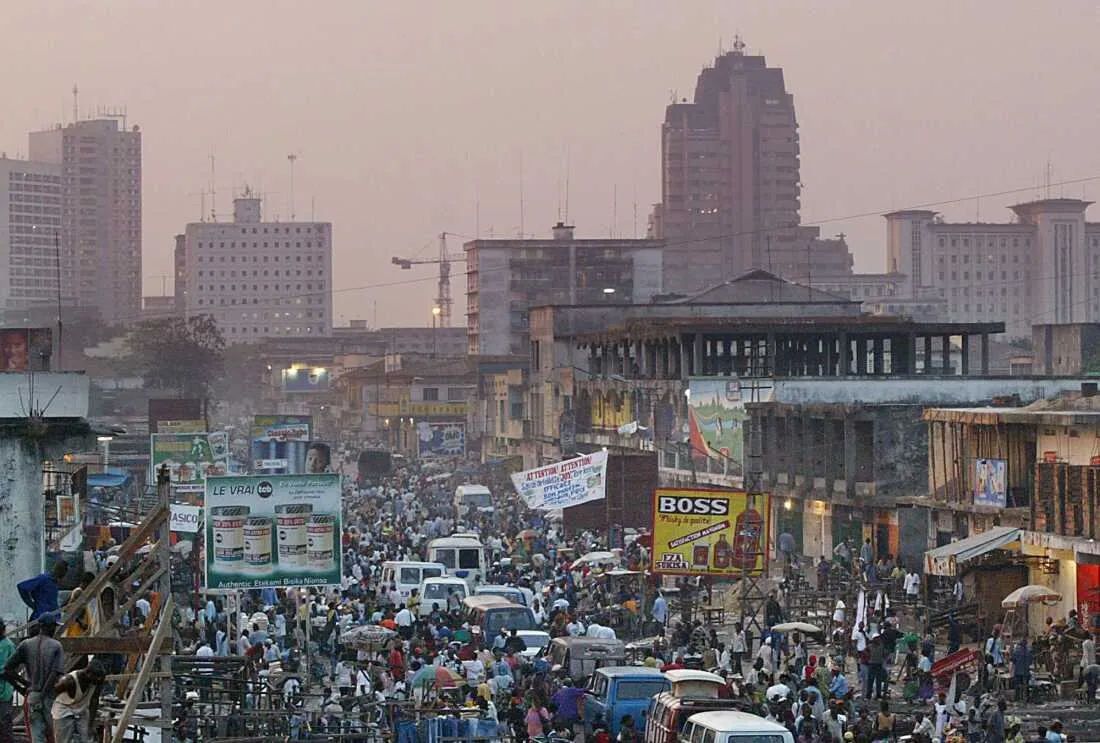
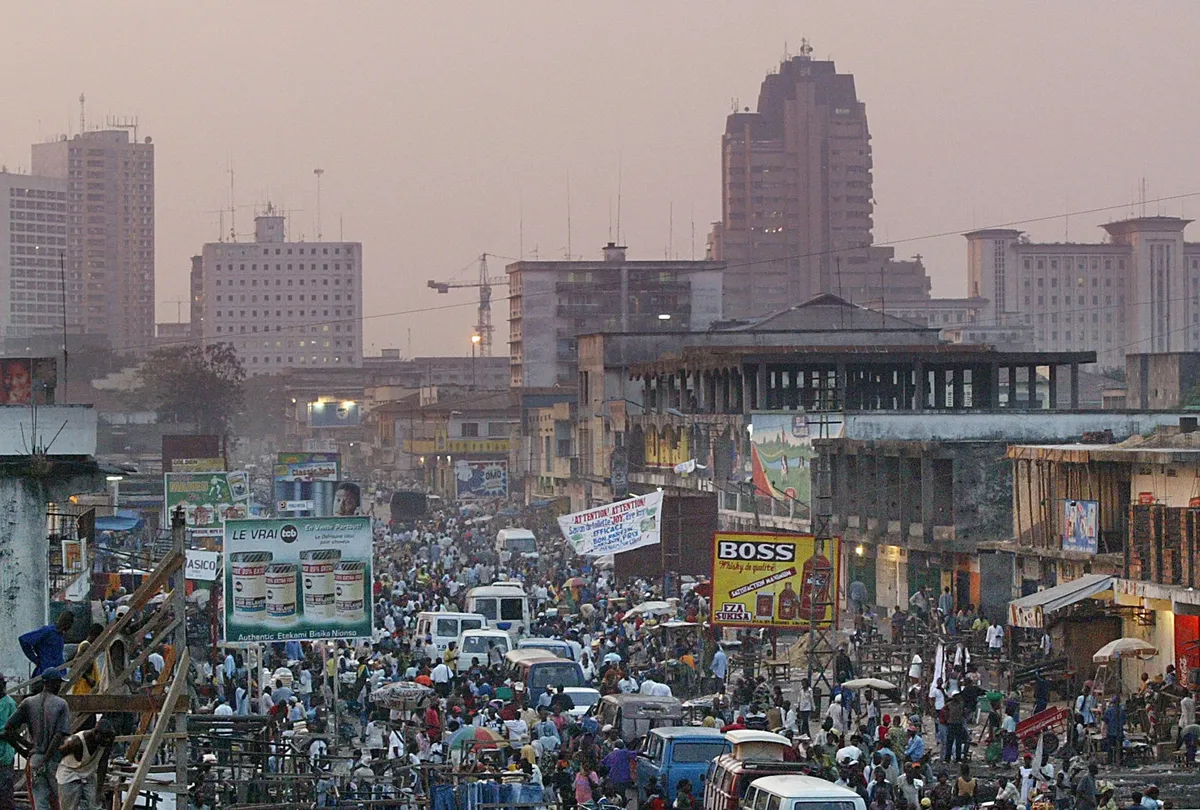
The DRC is currently grappling with one of the world's worst humanitarian crises. Armed groups, including M23 rebels backed by Rwanda (according to UN experts), have been responsible for mass displacement, killings, and widespread instability - particularly in the eastern part of the country. Dropping migrants with no local knowledge, no resources, and no community into this environment is, to put it mildly, a controversial choice.
What happens next?
That remains deeply unclear. NPR's reporting indicates the deportees are essentially in limbo - uncertain of their legal status in the DRC, uncertain of their safety, and uncertain whether any mechanism exists to advocate for them. Their home countries, the U.S., and the DRC all represent different layers of a bureaucratic and humanitarian puzzle that nobody seems to be rushing to solve.
For now, 15 people who sought safety in the United States are instead navigating the very real dangers of a conflict zone on a continent most of them have likely never set foot on before. If that doesn't warrant a second look at deportation policy, it's hard to imagine what would.
Source: NPR