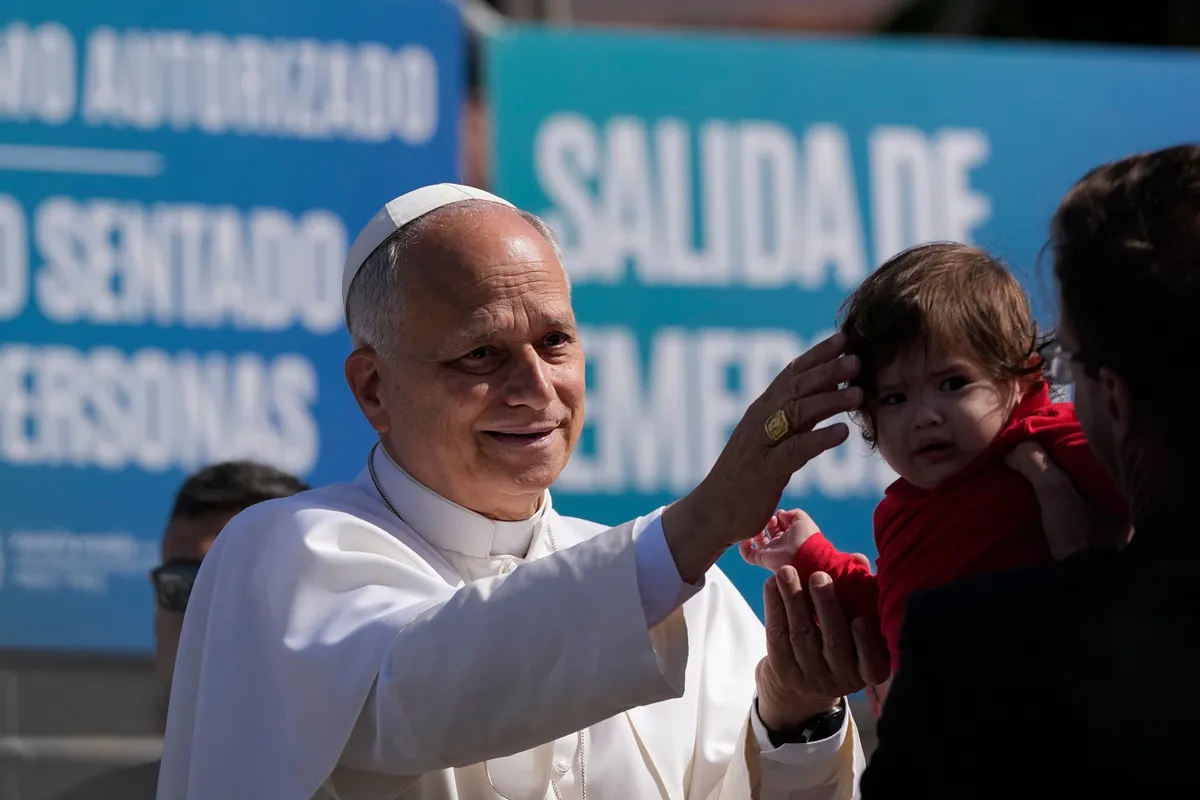
Pope Leo XIV has entered the chat - and he did not come to make small talk. On Thursday, the newly minted pontiff made a high-profile stop at the Canary Islands in Spain, a place that has become one of Europe's most visible flashpoints in the ongoing migration crisis, according to NPR.
The location itself is not subtle. The so-called 'dock of shame' - a reference to the grim conditions migrants have historically faced upon arriving on the islands after harrowing Atlantic crossings from West Africa - is about as pointed a backdrop as a world leader could choose. And Pope Leo did not waste the setting.
What did he actually say?
The pontiff issued what NPR describes as a forceful defense of migrants during his visit. While the full details of his remarks are still being reported, the visit itself signals a clear ideological direction for his papacy on one of the most politically charged issues in Europe right now.
The Canary Islands sit just off the northwest coast of Africa and serve as a key entry point for migrants attempting to reach European soil. The route is notoriously deadly, and the islands have repeatedly found themselves overwhelmed by arrivals, sparking heated debates across the EU about border policy, humanitarian obligations, and who exactly is responsible for what.
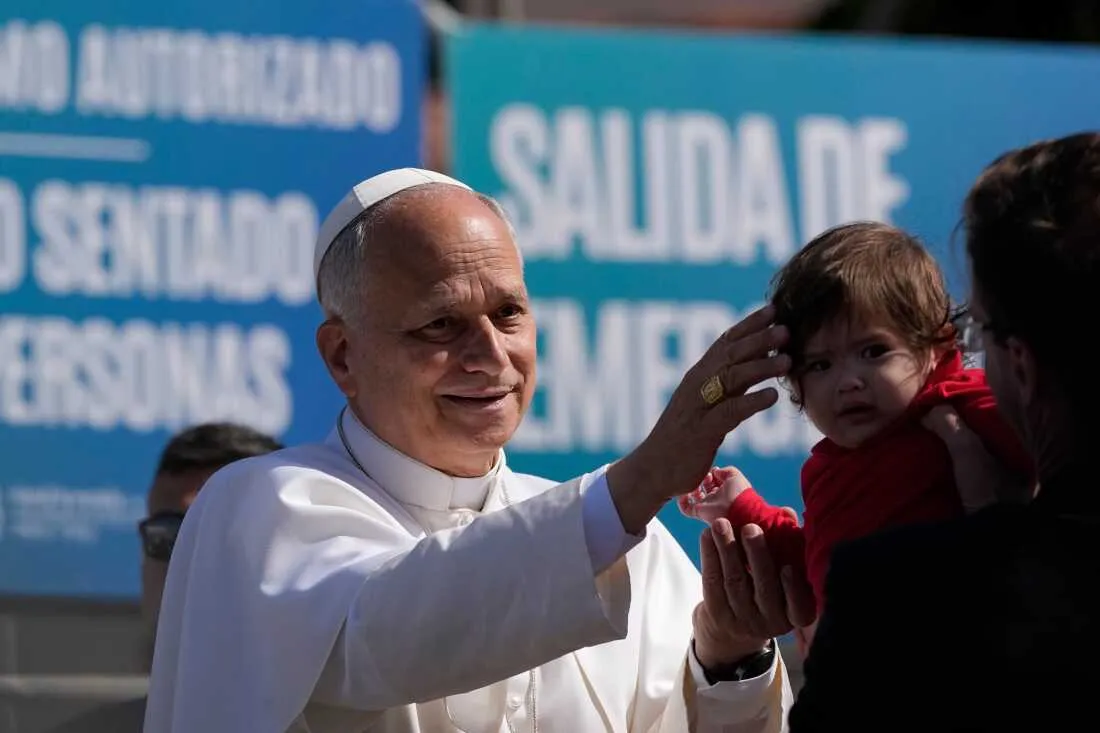
Why this matters beyond the photo op
Pope Leo choosing the Canary Islands as an early international stop is not an accident. It puts the Catholic Church squarely in the middle of a debate that has fractured European politics for years. Right-wing governments across the continent have pushed for stricter border controls, while humanitarian organizations argue that current policies are resulting in preventable deaths at sea.
By planting his flag - literally and figuratively - at a site nicknamed the dock of shame, Leo is signaling that his papacy intends to keep moral pressure on governments that might prefer to treat migration as purely a logistics problem.
It also puts him on a potential collision course with several European leaders who have built entire political brands on tough migration stances.
Early signs of a combative papacy
This visit is shaping up to be one of the clearest indicators yet of what Pope Leo's tenure might look like on the world stage - engaged, location-conscious, and not particularly interested in diplomatic softballs. Whether world leaders will feel the heat remains to be seen, but the pope has clearly decided that silence is not on the agenda.
Stay tuned. It's only getting started.