In a move that absolutely no one saw coming from the world's most unpredictable nuclear-armed hermit kingdom, North Korea has quietly amended its constitution to signal that it does not intend to strike South Korea first. Yes, you read that correctly. The country that routinely launches missiles into the sea as a hobby is now using legalese to communicate peaceful intentions.
What actually happened
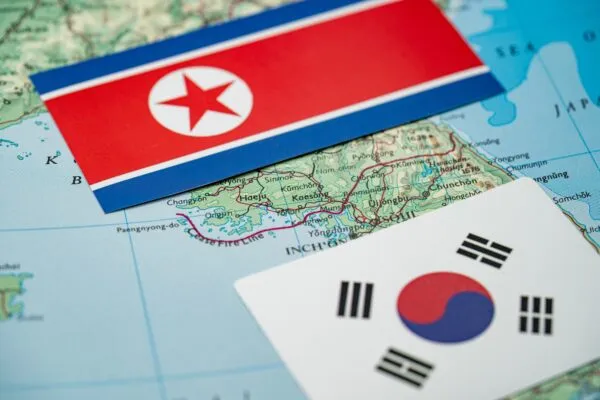
According to an analysis published by The Diplomat, North Korea's recent constitutional amendments appear designed to send a policy of assurance - both to South Korea and to Pyongyang's key allies, Russia and China. The framing suggests Pyongyang wants to make clear it has no intention of launching a first strike against Seoul.
This is, to be fair, a genuinely significant diplomatic signal - if you trust constitutional documents written by authoritarian regimes, which is a whole separate philosophical debate you can have at dinner.
Why does this matter
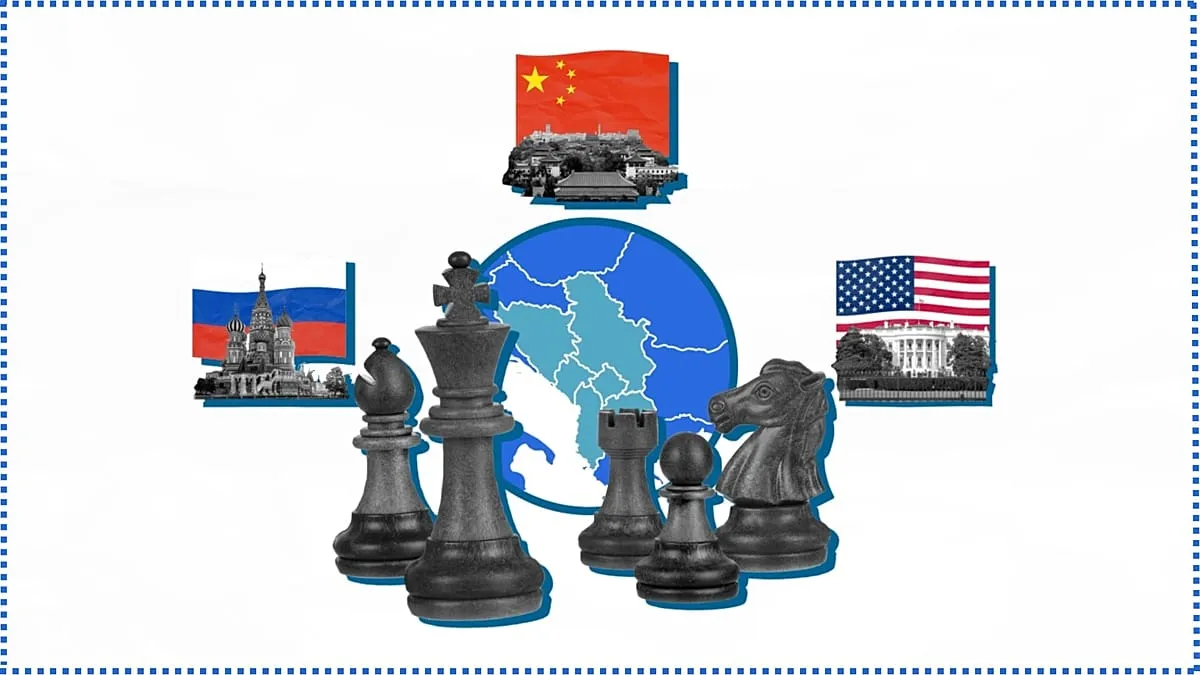
The audience for this legal theater isn't just Seoul. The Diplomat's analysis points out that Russia and China - North Korea's most important strategic partners - are also key recipients of this message. Both countries have a vested interest in regional stability, and neither particularly wants Kim Jong Un to accidentally (or not so accidentally) start a war on their doorstep while they're busy with their own geopolitical adventures.
Sending reassurances through constitutional text is actually a relatively sophisticated diplomatic tool. It's harder to walk back than a press statement, and it gives allies something concrete to point to when defending engagement with Pyongyang.
The obvious asterisk
Here's the thing - North Korea has one of the most heavily militarized borders on the planet, an active nuclear weapons program, and a track record of doing exactly what it says it won't do. A constitutional amendment is, at best, a signal of intent. At worst, it's a very elaborate piece of paper.
Still, analysts tracking the Korean Peninsula note that even symbolic gestures from Pyongyang deserve scrutiny, because they rarely come without strategic calculation behind them. Whether this reflects genuine de-escalatory intent or is simply diplomatic window dressing for the benefit of Beijing and Moscow remains an open question.
Bottom line
North Korea is essentially trying to tell the neighborhood: "Don't worry, we wrote it down this time." Whether Seoul, Washington, or anyone else finds that remotely convincing is another matter entirely - but as far as constitutional plot twists go, this one deserves a raised eyebrow and a very close read.