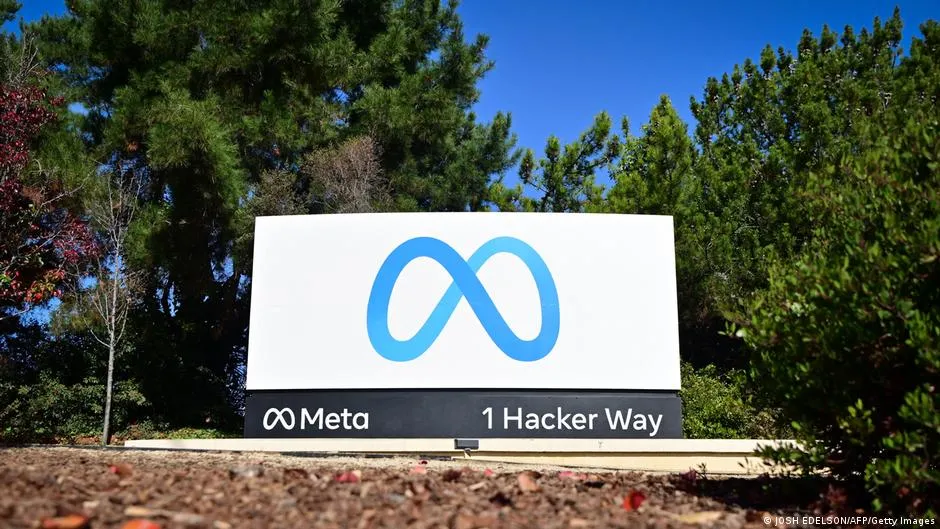
Meta and Microsoft have announced significant workforce reductions, according to reporting by Deutsche Welle, as both companies redirect resources toward large-scale artificial intelligence investments.
Meta, the parent company of Facebook, Instagram, and WhatsApp, said it plans to eliminate approximately 10% of its global workforce. The cuts represent one of the company's most substantial rounds of layoffs in recent memory and affect employees across multiple divisions.
Microsoft, meanwhile, is offering an early retirement scheme to eligible employees, a move analysts interpret as a softer but still significant method of reducing its overall headcount without the reputational impact of mass terminations.
AI investment driving restructuring
The announcements come as both companies have committed to spending tens of billions of dollars on AI infrastructure, including data centers, chips, and the development of large language models and other AI-driven products.
The parallel between workforce cuts and AI spending has drawn scrutiny from labor advocates and industry observers, who argue the trend reflects a broader shift in how major technology companies are allocating capital - away from human labor and toward automated systems.
Meta chief executive Mark Zuckerberg has been vocal in recent months about the company's ambitions in AI, describing it as central to the future of all of Meta's products and services. Microsoft has similarly deepened its partnership with OpenAI, the maker of ChatGPT, and has integrated AI tools across its Office and Azure product lines.
A pattern across the industry
The moves by Meta and Microsoft are consistent with a wider trend in the technology sector. Several major firms, including Google parent Alphabet and Amazon, have carried out layoffs over the past two years while simultaneously increasing AI-related expenditures.
Critics argue that the framing of these cuts as efficiency measures obscures the fact that companies are choosing to prioritize returns to shareholders and investment in automation over employment stability for existing workers.
Supporters of the restructuring argue that AI development ultimately creates new categories of jobs and economic value, though the timeline and distribution of those benefits remain subjects of debate among economists.
Neither Meta nor Microsoft has provided a detailed public breakdown of which roles or geographic regions will be most affected by the latest round of cuts, according to the DW report.