In what may be the most diplomatically spicy World Cup subplot since Zinedine Zidane's forehead made contact with Marco Materazzi's chest, Mexico has agreed to host Iran's national football team during the 2026 World Cup - after the United States flat-out refused to do so.
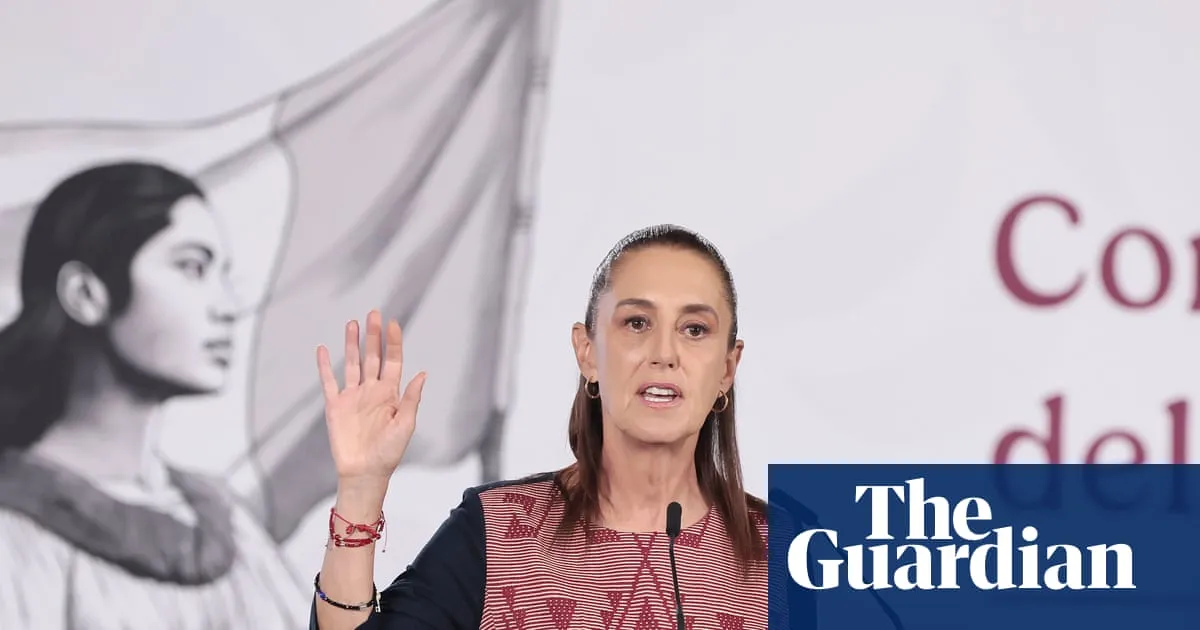
Mexican President Claudia Sheinbaum confirmed on Monday that her government gave the green light for the Iranian squad to use Mexico as their base camp during the tournament. According to Sheinbaum, FIFA came knocking on Mexico City's door only after Washington made clear it had no interest in rolling out the welcome mat for Iran's players, as reported by The Guardian.
The twist? Iran is scheduled to play its group stage matches inside the United States. So the players will apparently be good enough to compete on American turf, but not welcome enough to sleep there. You can't make this stuff up.
A bureaucratic headache with a geopolitical garnish
The situation perfectly encapsulates the uniquely chaotic nature of a World Cup hosted across three nations - the US, Canada, and Mexico - each with their own foreign policy positions, visa regimes, and feelings about who gets to park their cleats where.
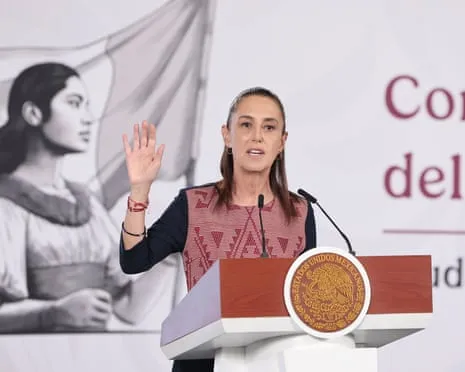
Sheinbaum did not elaborate on the specific reasons the US gave for declining to host the Iranian squad, but the geopolitical subtext writes itself. US-Iran relations have been, to put it mildly, frosty for about four and a half decades now.
Mexico, meanwhile, gets to play the role of gracious host and quietly reasonable neighbour, which is a PR win wrapped inside a football tournament wrapped inside a diplomatic incident.
FIFA's game of geopolitical hot potato
For FIFA, this is exactly the kind of logistical nightmare that comes with handing a mega-tournament to three countries who don't always agree on, well, anything. The governing body had to essentially shop Iran's accommodation situation around until someone said yes - and Mexico obliged.
It is worth noting that Iranian players are, in all of this, just footballers trying to compete in the world's biggest sporting event. Whether any of this drama affects their performance on the pitch remains to be seen.
But one thing is certain: the 2026 World Cup is already delivering drama at a rate that suggests the actual football might struggle to keep up.