If you thought your neighbor dispute over a fence was bad, buckle up - because India and Nepal are once again dusting off a border argument that has been simmering since the early 1800s. And yes, a mayor helped kick this off.
According to a report by Al Jazeera published on June 2, 2026, recent comments by Balendra Shah - the high-profile mayor of Kathmandu - about Nepal allegedly encroaching on Indian territory have thrown fresh fuel onto a 200-year-old territorial dispute that most people probably assumed had been filed away in a very thick, very dusty diplomatic drawer.
So what exactly is going on?
The India-Nepal border dispute is not exactly a new drama. It traces back roughly two centuries, rooted in the 1816 Sugauli Treaty, which was signed after the Anglo-Nepalese War and drew boundary lines that both sides have interpreted... let's say creatively... ever since. Various stretches of territory along the border have remained contested, with locals, politicians, and cartographers occasionally lobbing accusations at each other across rivers and mountain ridges.
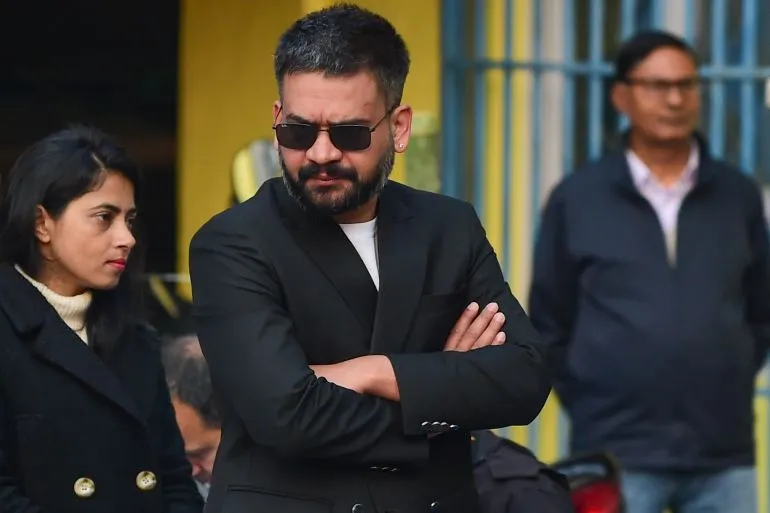
Shah's recent remarks appear to have reignited that tension, with his comments cutting against the grain of typical Nepali political positioning on the issue. His statements, as reported by Al Jazeera, have stirred debate domestically in Nepal and raised eyebrows across the border in India.
Why does this keep happening?
Part of the reason this dispute never truly dies is that the India-Nepal relationship is genuinely complicated. The two countries share an open border, deep cultural and religious ties, and a significant economic relationship - but that closeness also means that political friction, when it flares, hits differently than it might between more distant neighbors.
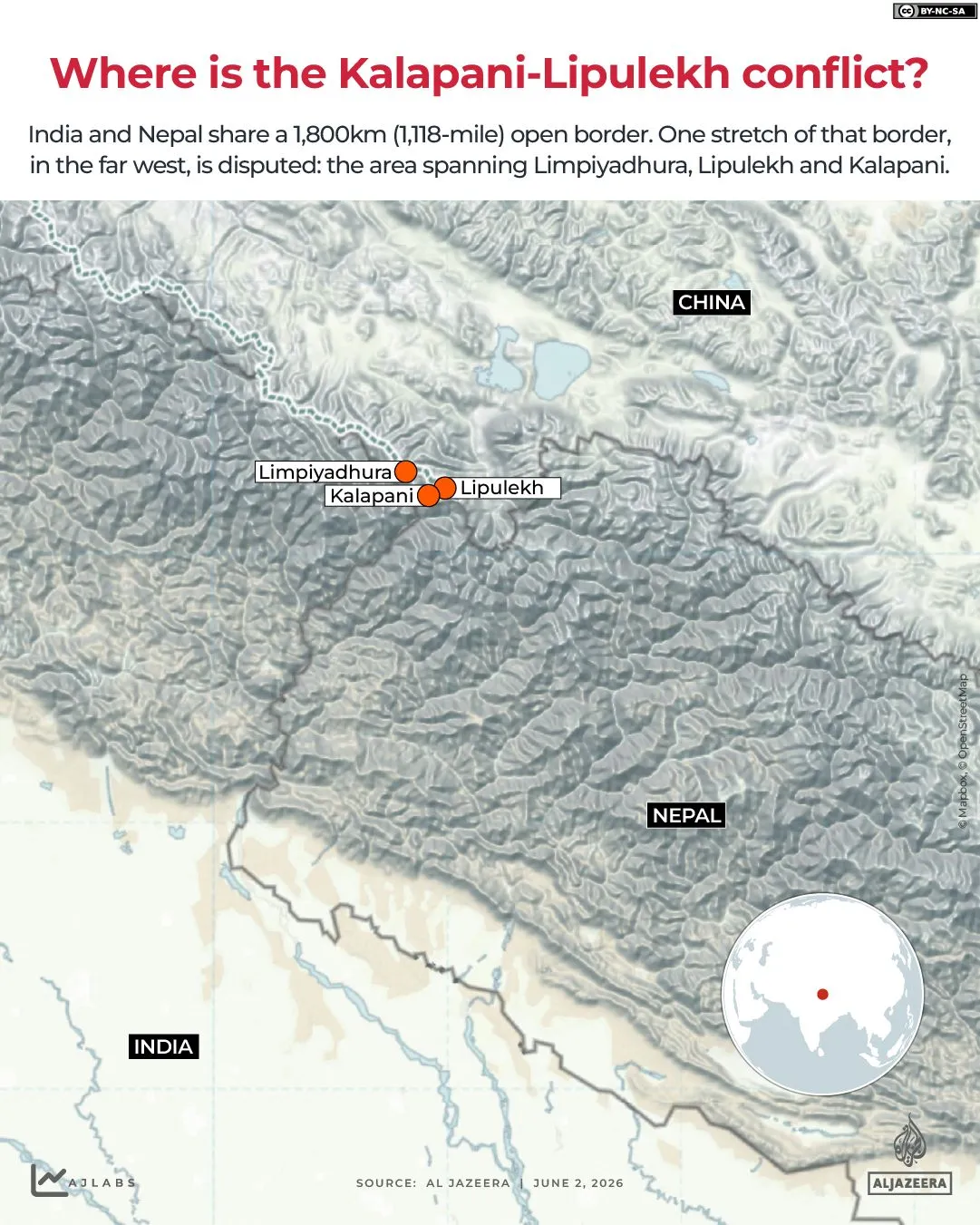
Previous flare-ups, including the very public row in 2020 over the Kalapani-Lipulekh-Limpiyadhura region, showed how quickly cartographic disagreements can escalate into full-blown diplomatic incidents. Nepal even updated its official map that year to include territory India claims as its own, which went down about as well as you would expect.
What happens next?
Neither government has issued any dramatic formal response based on reporting available at the time of this article, but the conversation is clearly back on the table. With geopolitical competition in South Asia already running at elevated temperatures - partly due to the broader India-China rivalry that Nepal often finds itself caught between - timing matters here.
One outspoken mayor's comments may seem like a small spark, but in a region where historical grievances run deep and national pride runs deeper, small sparks have a well-documented habit of becoming very large fires.
Al Jazeera's full report on the dispute is available at their website for those who want to go down the rabbit hole - and it is quite a rabbit hole.