In a move that is equal parts historic and deeply satisfying, the parliament of Nauru - the tiny South Pacific island nation that most people couldn't locate on a map without at least three hints - has voted to officially change its name back to Naoero, according to Deutsche Welle. A referendum on the constitutional change will now follow.
Yes, you read that right. The country isn't disappearing, it isn't merging with anyone, and no, this is not a crypto rebrand. Nauru is simply reclaiming the name its people actually used before European colonisers showed up and decided they knew better.
So what's in a name?
Quite a lot, actually. "Nauru" is a Germanified version of the indigenous name "Naoero," which traces back to the phrase a-naoero, meaning "I go to the beach" - arguably one of the most aspirational national names in human history. The current spelling was introduced during German colonial rule in the late 19th and early 20th centuries, and it has stuck around like an uninvited guest for well over a century.
The island was successively colonised by Germany, then administered by Australia under a League of Nations mandate, and later a United Nations trusteeship - before finally gaining independence in 1968. The name, however, never got the memo about decolonisation.
A microstate with a macro-statement to make
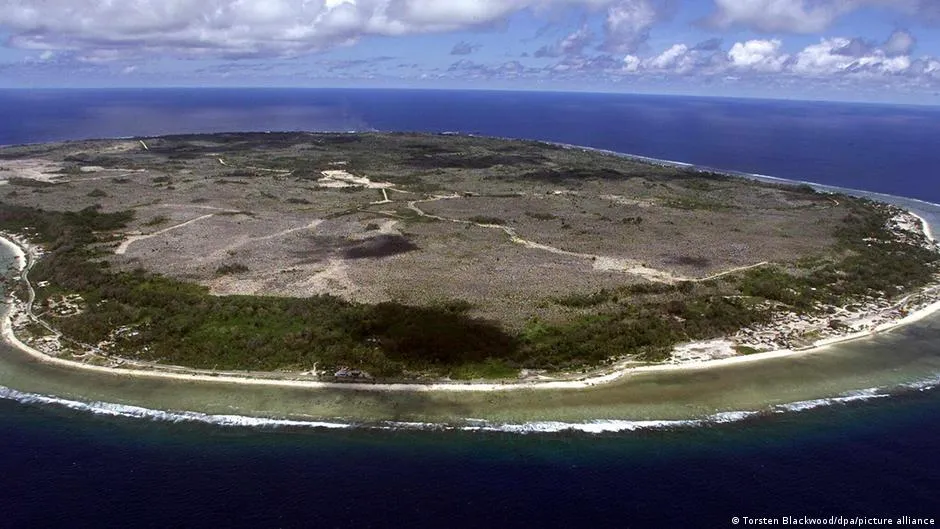
Nauru - or soon-to-be-Naoero - is no stranger to punching above its weight. With a land area of just 21 square kilometres and a population of around 10,000 people, it is the world's third-smallest country by area, and the smallest island nation on Earth. It also holds the dubious distinction of being one of the world's most isolated nations.
But what it lacks in size, it makes up for in geopolitical drama. The country has made international headlines for its offshore refugee processing centre run in partnership with Australia, its dramatic economic boom-and-bust cycle following phosphate mining, and now - a name change that is essentially a politely worded letter to history saying "we're done with your spelling."
What happens next?
The parliamentary vote is only step one. A national referendum on the constitutional amendment must now take place before the change becomes official. If approved, Naoero would join a small but growing club of nations that have reclaimed indigenous names - think Eswatini (formerly Swaziland) and Cabo Verde (formerly Cape Verde).
The global community will presumably update their maps, flags, and Wikipedia tabs accordingly. Eventually.