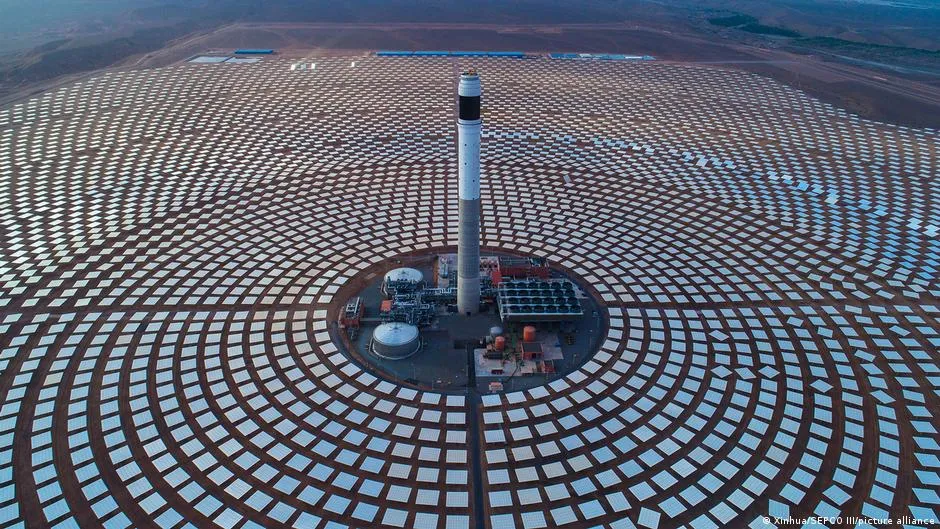
A towering solar installation rising from the Moroccan desert has become a symbol of the region's push toward clean energy, but the path to a renewable future remains complicated by entrenched fossil fuel dependencies and infrastructure shortcomings, according to a report by Deutsche Welle.
The facility, part of Morocco's broader renewable energy program, uses concentrated solar power technology to generate electricity in one of the world's most sun-rich environments. The country has positioned itself as a continental leader in the clean energy transition, with ambitions to supply not only domestic demand but potentially export power to European markets.
The case for desert solar
Morocco's geography gives it a significant advantage. The country sits at the intersection of the Sahara Desert and Atlantic winds, offering abundant solar irradiance and wind resources that many European nations lack. Proponents argue that large-scale solar investment in North Africa could play a major role in decarbonizing energy supplies across the Mediterranean region.
The scale of infrastructure already built reflects those ambitions. Morocco has invested heavily in developing one of the largest concentrated solar power complexes in the world, attracting international financing and technical partnerships in the process.
Paradox of progress
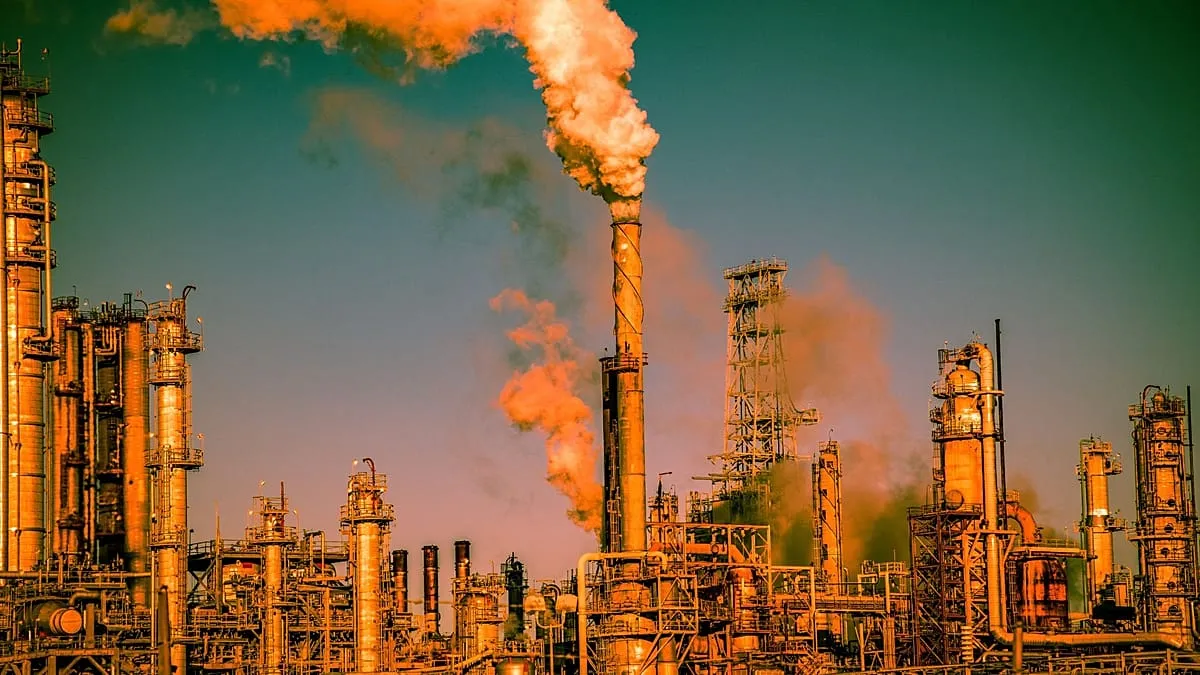
Despite the headline-grabbing installations, the DW report highlights a persistent paradox: fossil fuels continue to dominate Morocco's overall energy mix. Coal and gas still account for a substantial share of electricity generation, meaning the country's clean energy showcase exists alongside a system still heavily reliant on carbon-emitting sources.
Grid constraints compound the challenge. Transmitting power generated in remote desert locations to population centers - and potentially across borders to Europe - requires significant investment in transmission infrastructure that has not kept pace with generation capacity.
The gap between installed renewable capacity and actual clean energy consumption is a challenge shared across many developing economies, where financing, technical expertise, and legacy infrastructure create barriers to a rapid transition.
Regional and global implications
Morocco's experience reflects a wider tension playing out across the Global South, where nations rich in renewable resources are caught between the economic pressures of affordable fossil fuels and the long-term imperatives of climate commitments.
International energy analysts have increasingly pointed to North Africa as a critical piece of Europe's own energy security puzzle, particularly following the disruptions caused by the Russia-Ukraine conflict and Europe's subsequent drive to diversify away from Russian gas.
Whether Morocco can translate its solar showcase into a genuinely transformative energy transition - one that reduces domestic emissions while serving as a clean power hub for the broader region - will depend on sustained investment, policy consistency, and significant upgrades to interconnection infrastructure, the DW report suggests.