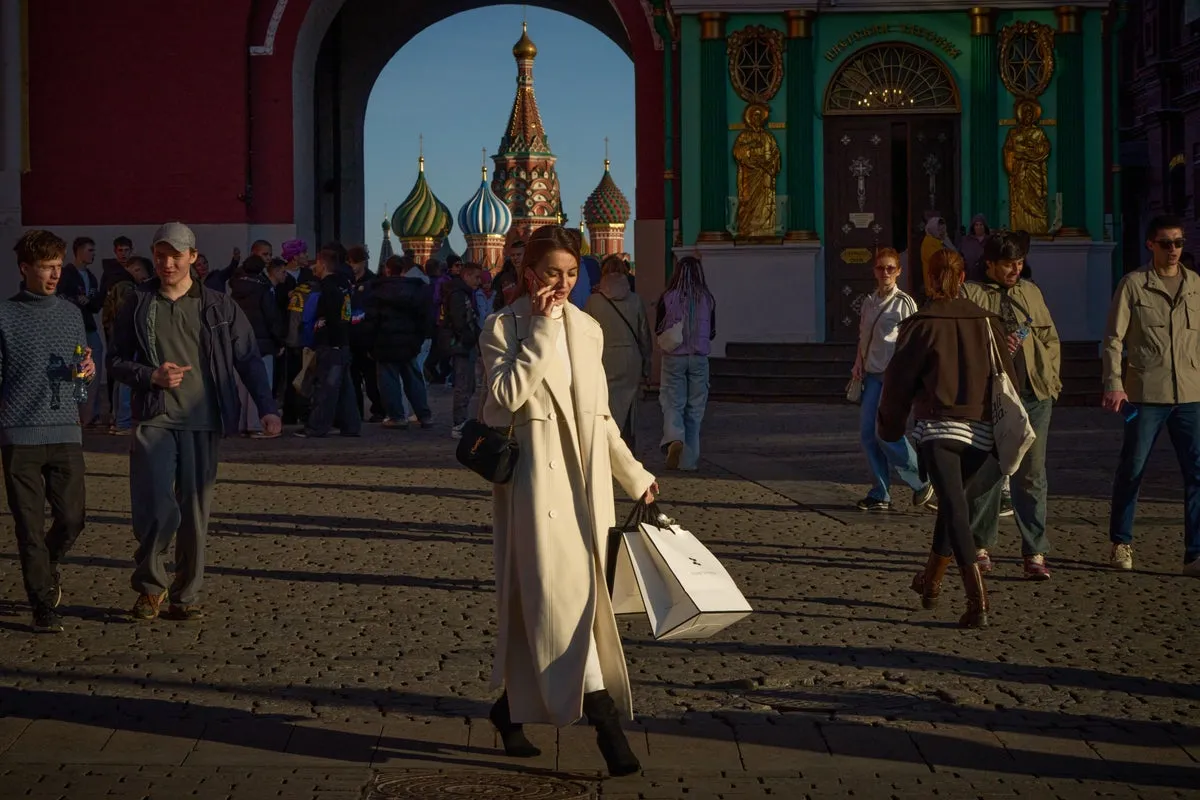
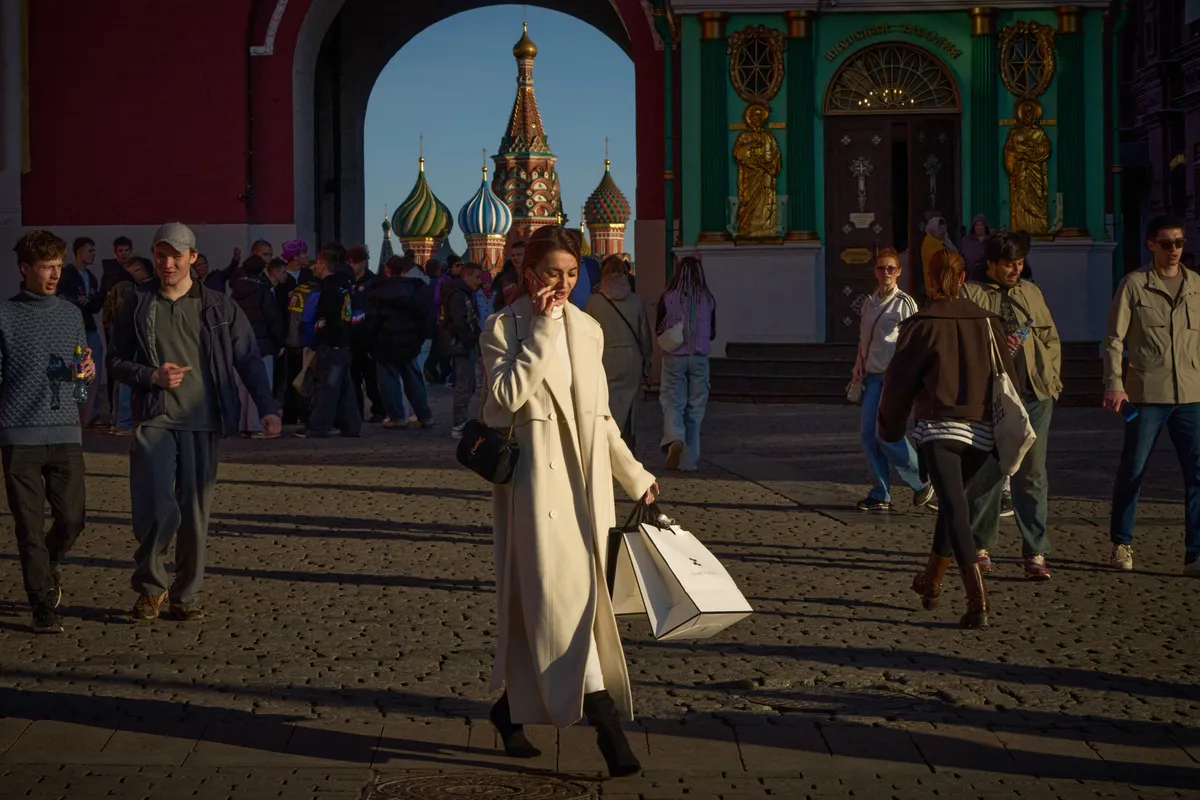
For three years, millions of Russians have watched the war in Ukraine the same way most people watch a nature documentary - with mild interest, from a very safe couch. State TV framed it as a clean, controlled "special military operation" happening somewhere far away, to someone else. Well, surprise: the drones have found Moscow, and the couch isn't feeling so safe anymore.
According to a report by The Independent, Ukrainian drone strikes targeting Moscow and surrounding areas are fundamentally shifting how ordinary Russians perceive the conflict. For a population largely shielded from the physical realities of the war their government launched, the sight of drones buzzing over the capital - and the sound of air defence systems firing in response - is proving to be a rather rude awakening.
From "over there" to "right here"
The psychological impact shouldn't be underestimated. War, as a concept sold to the Russian public, was supposed to be a surgical affair conducted in Ukrainian territory. The messaging was tight, the state media was tighter, and the front lines were comfortably abstract for anyone not directly losing a family member to mobilisation.
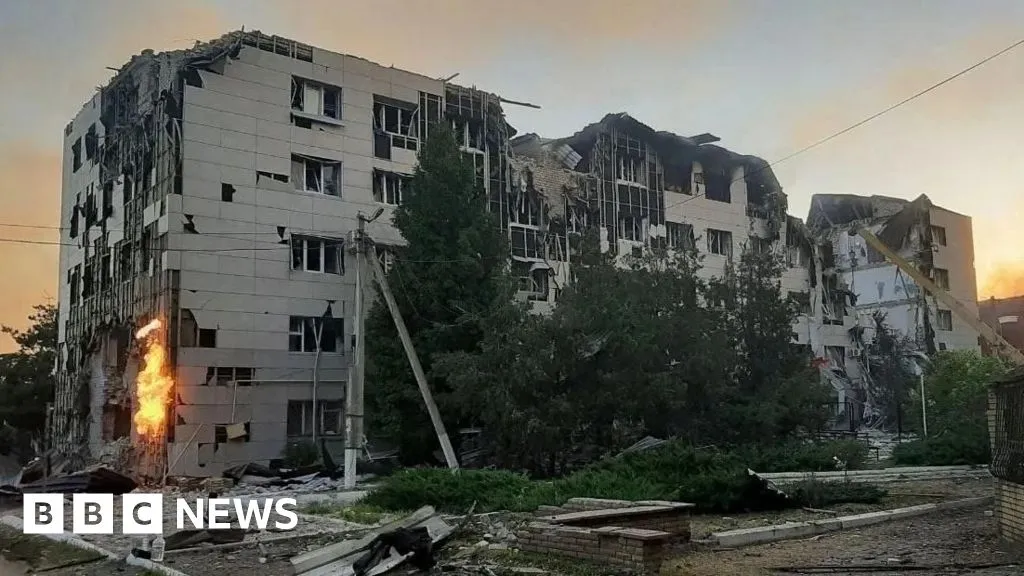
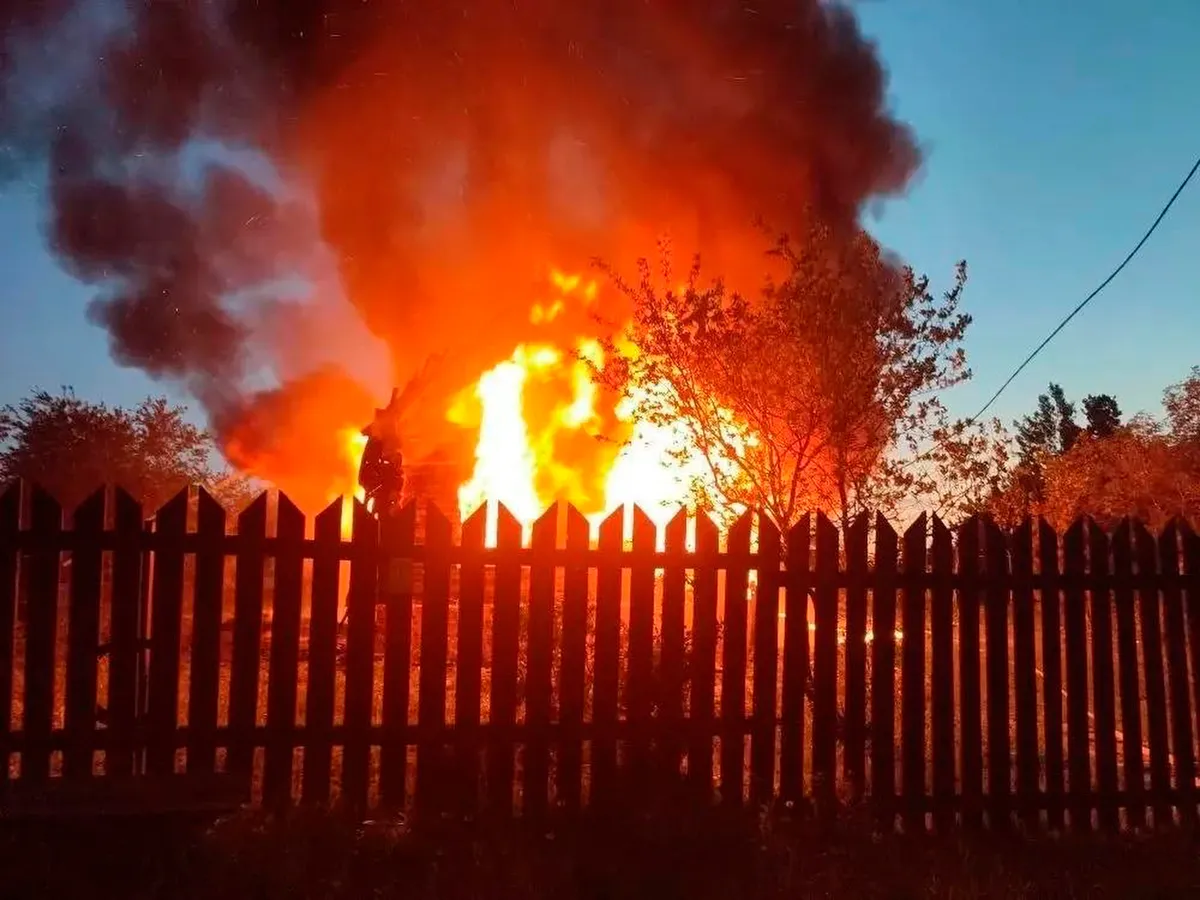
Ukrainian drone attacks on Russian soil - and increasingly on Moscow itself - are punching a very visible hole in that narrative. When residents film smoke rising near the capital and post it online, no amount of official spin makes it feel distant.
Ukraine's strategic calculation
Kyiv has been escalating its long-range drone campaign, targeting not just military infrastructure but also the psychological comfort of Russian civilians. The message is deliberate: if Ukrainian cities like Kharkiv and Kyiv can be struck at will, then Moscow is not exempt from consequences either. It's a bold, some would say audacious, strategy - and according to The Independent, it appears to be landing emotionally, even if Russia's air defences intercept many of the drones before they cause significant physical damage.
The bubble, cracked
What makes this development significant isn't just the tactical dimension - it's the social one. Russians who supported the war passively, or simply didn't think about it much, are now being forced to confront its reality in a way that state television can't fully edit out. Drones don't respect the narrative.
Whether this translates into meaningful political pressure on the Kremlin remains deeply uncertain in a country where dissent carries severe consequences. But the war, for better or worse, has officially come home - and that changes the conversation, even if only at the kitchen table.
The full report is available at The Independent.