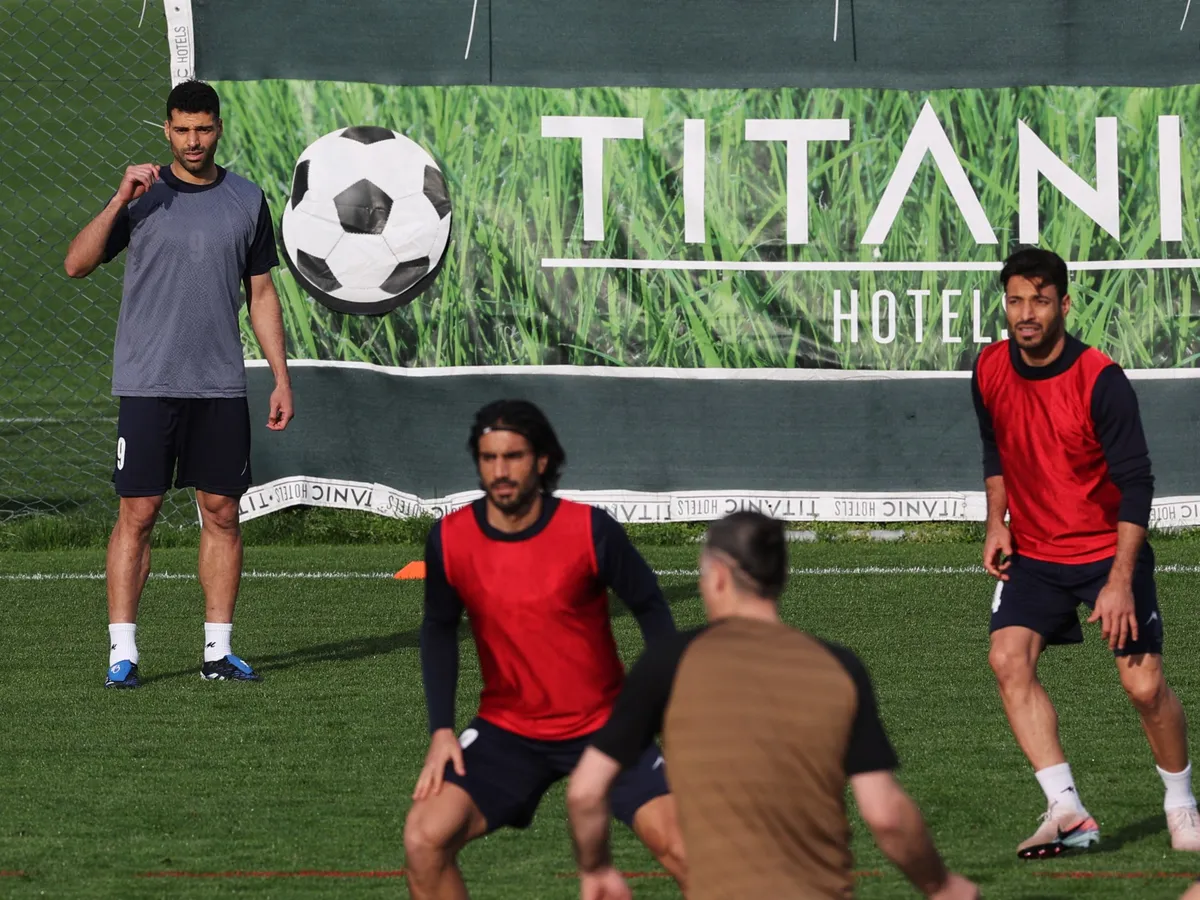
Iran has officially sent football's most diplomatic reply to a World Cup invitation: 'We'll come, but we have notes.' According to Al Jazeera, Iranian officials have confirmed the country intends to participate in the 2026 FIFA World Cup - hosted jointly by the United States, Canada, and Mexico - provided that host nations address what Iran is calling 'concerns.'
And yes, you read that correctly. Iran is conditionally RSVPing to a tournament co-hosted by the United States, a country that - alongside Israel - recently launched military strikes against Iran. So the vibe at those group stage games could be, let's say, charged.
What are these 'concerns' exactly?
Iranian officials have not spelled out a detailed list of demands publicly, but the broader context makes the situation fairly self-explanatory. With US-Iran relations sitting somewhere between 'catastrophically bad' and 'historically catastrophically bad,' Iranian players and staff traveling to American soil for a major sporting event raises legitimate logistical, safety, and diplomatic questions. Al Jazeera reports that Iran's participation has been 'shrouded in uncertainty' since the US and Israel launched military operations against the country.
To be fair, this is not entirely unprecedented territory for international sport. Athletes from nations in active or recent conflict with host countries have navigated complex participation scenarios before. But the optics of Iranian footballers playing matches on US soil while the two governments are engaged in open hostilities is, to put it mildly, a situation FIFA's rulebook did not fully anticipate.
FIFA's favorite headache
FIFA, the organization that has never once stumbled into a controversy it could not make worse, now gets to mediate between geopolitical reality and the scheduling demands of the world's biggest sporting event. The 2026 tournament is already a logistical marathon spanning three countries and 16 cities. Adding 'please sort out the Iran-US situation' to the to-do list is the kind of challenge that makes tournament organizers age visibly in real time.
Iran qualified for the 2026 World Cup and their squad, built around genuine talent competing in top European leagues, would be a real loss to the tournament field. Whether the hosts can 'address concerns' in any meaningful way before kick-off in June 2026 remains - generously - an open question.
For now, Iran's position appears to be: we want to play football, we just need assurances that playing football does not become an international incident. Which, honestly, seems like a reasonable bar to set.