Israeli Prime Minister Benjamin Netanyahu has confirmed that Israel has halted its strikes against Iran, but before anyone breaks out the confetti, he made it crystal clear that the Lebanese front is very much still open for business. Hezbollah, the Iran-backed militant group operating out of Lebanon, continues to face Israeli military operations with no signs of a pause on that particular front.
According to reporting by Al Jazeera, Netanyahu publicly acknowledged the halt in fighting with Iran while simultaneously making the case that operations against Hezbollah in Lebanon will press on. The dual-track approach reflects Israel's long-standing position that Hezbollah and Iran, while deeply intertwined, represent distinct military and political challenges that warrant separate responses.
Two fronts, one very busy prime minister
The distinction Netanyahu is drawing is not purely semantic. Iran and Hezbollah, despite their close operational and financial ties, are different targets under international law and military doctrine. Israel has framed its campaign against Hezbollah as a defensive operation aimed at pushing the group back from southern Lebanon - a stated goal since cross-border exchanges intensified significantly in the wake of the October 2023 Gaza war.
The pause with Iran, by contrast, appears to be a more deliberate diplomatic and strategic calibration rather than a sign of resolution. No formal ceasefire agreement with Tehran has been announced, and analysts have noted that the situation remains highly fluid.
Why this matters beyond the headlines
The optics here are genuinely complicated. On one hand, a halt in direct exchanges with Iran could reduce the risk of a broader regional escalation - something that has had diplomats and oil markets nervously chewing their fingernails for months. On the other hand, continued strikes in Lebanon ensure the region is not exactly entering a quiet chapter.
Hezbollah has for decades served as Iran's most powerful proxy force, meaning the two conflicts are strategically linked even if they are being managed separately at this moment. Critics of Israel's approach argue that separating them is somewhat artificial, while Israeli officials insist the distinction is operationally and legally meaningful.

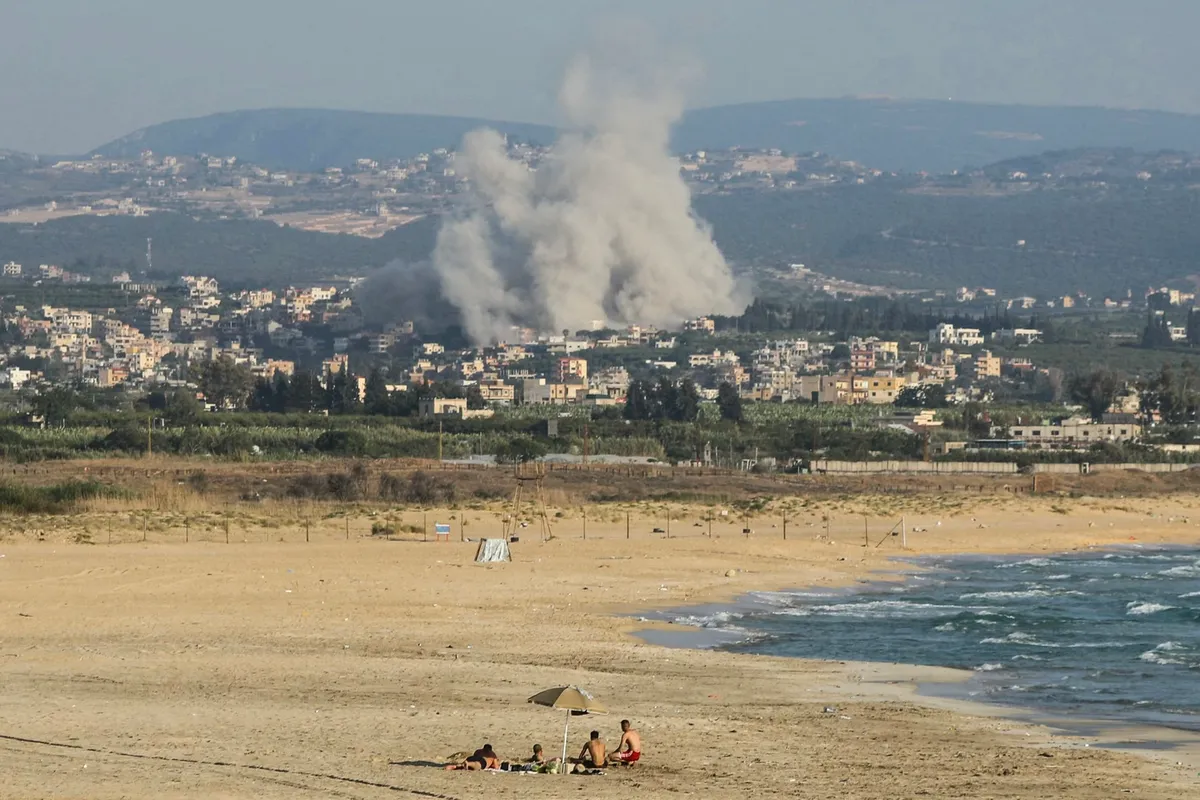
For Lebanese civilians caught in the middle, the finer points of geopolitical framing are unlikely to be much comfort. Al Jazeera's reporting indicates that Israeli strikes in Lebanon are continuing, with no indication from the Netanyahu government that a halt there is imminent.
The situation remains active and evolving. As ever in this region, today's pause can become tomorrow's escalation with very little warning.