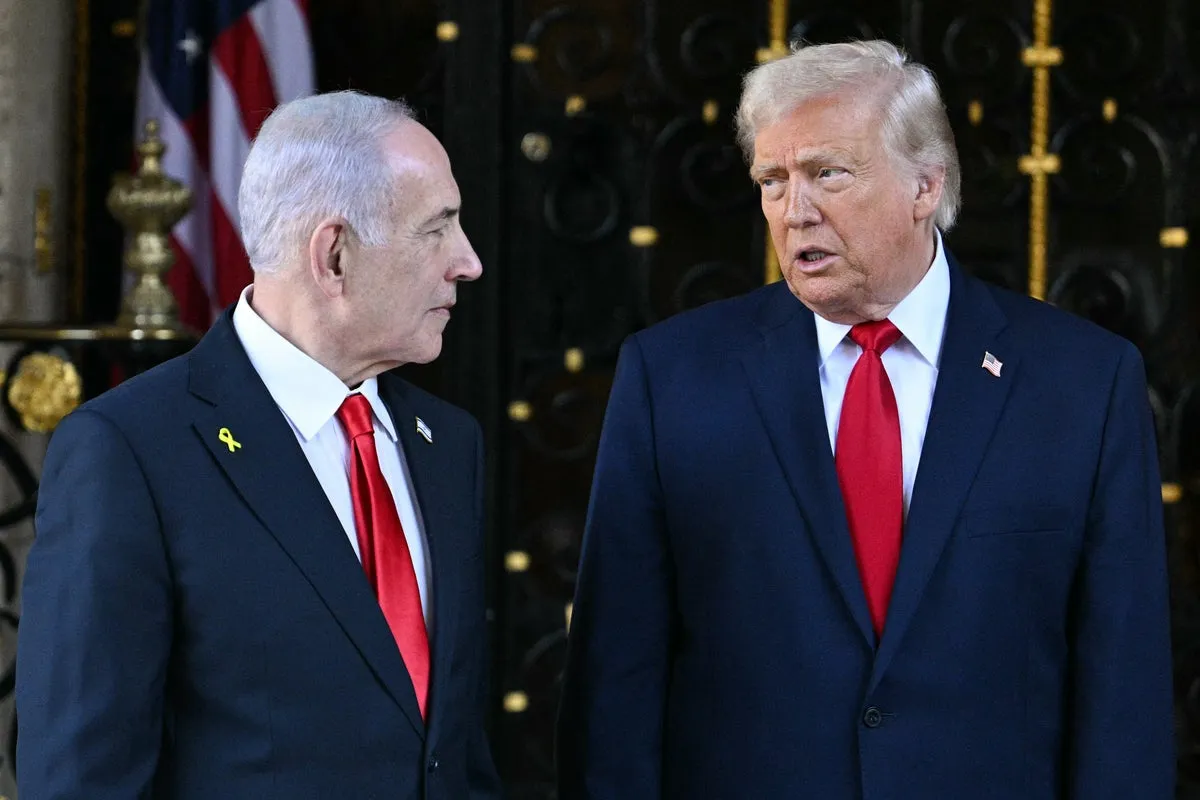
Israeli Prime Minister Benjamin Netanyahu is catching serious heat from his own political camp after U.S. President Donald Trump announced a ceasefire deal with Hezbollah - apparently before Netanyahu had a chance to, you know, tell anyone about it. According to reporting by The Independent, Israeli opponents are now accusing the prime minister of effectively handing the remote control of Israeli military strategy to the White House.
So what actually happened?
Trump announced the ceasefire agreement with Lebanon's Hezbollah, framing it in his signature "we made a great deal" style. The problem, from the Israeli opposition's perspective, was the optics: Israel's prime minister appeared to be a passenger in a decision that directly affects Israeli security, rather than the one driving.
Critics wasted no time. Netanyahu's opponents accused him of allowing the United States to dictate Israeli military policy - a charge that stings particularly hard for a leader who has spent years presenting himself as the iron-fisted defender of Israeli sovereignty.

The political fallout
This is not a minor embarrassment. In Israeli political culture, being seen as subservient to outside powers - even friendly ones - is roughly equivalent to political kryptonite. Netanyahu built much of his brand on standing firm against international pressure. Getting scooped on your own ceasefire announcement by the American president is... not a great look.
His opponents are now using the moment to argue that Netanyahu's close alignment with Trump has come at a cost to Israeli decision-making autonomy. Whether that framing sticks with Israeli voters remains to be seen, but the chorus of criticism is loud enough that it can't simply be waved away.
The bigger picture
Hezbollah and Israel have been locked in a grinding, cross-border conflict that escalated significantly alongside the war in Gaza. A ceasefire, if it holds, would represent a significant de-escalation on Israel's northern front - something that has real strategic value regardless of who gets credit for announcing it.
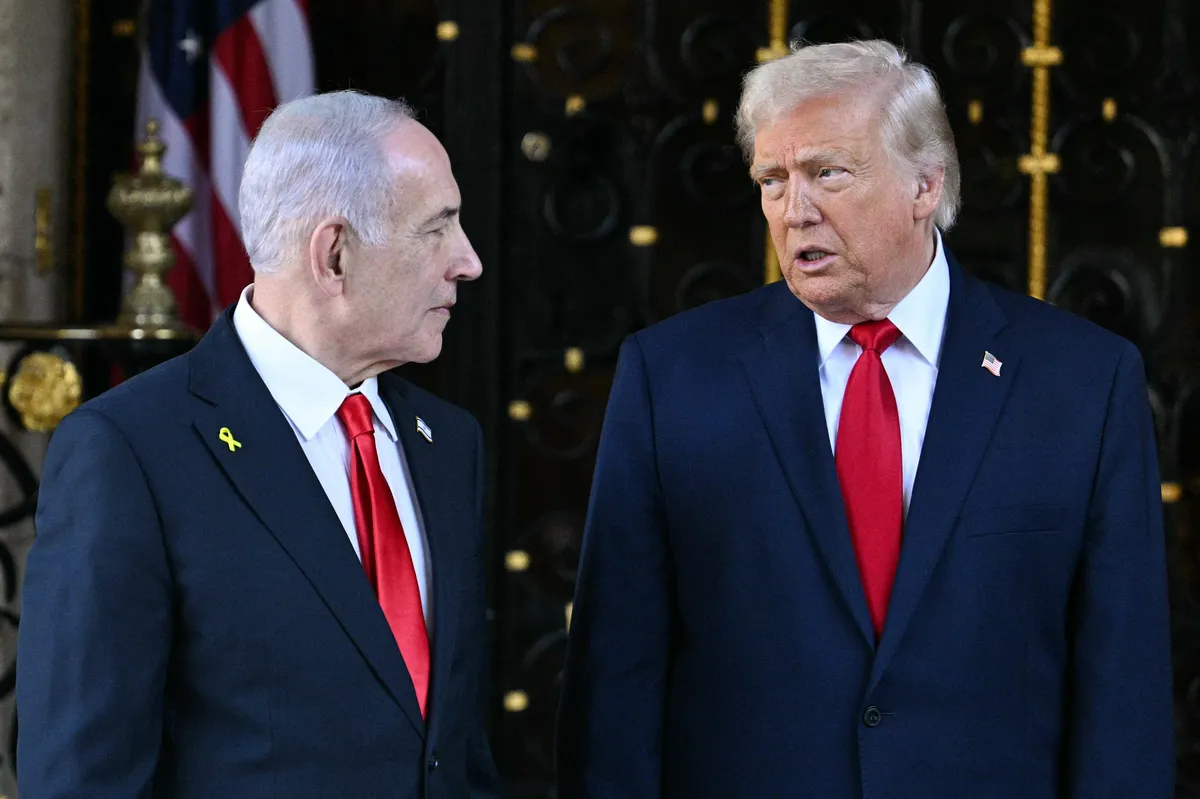
But politics rarely cares about strategic nuance. Right now, Netanyahu faces the awkward task of defending a deal that many of his critics say he didn't even get to announce on his own terms.
Whether this is a genuine crack in Netanyahu's political armor or just another news cycle in the relentless soap opera that is Israeli coalition politics - well, that's a question best answered by the next round of polls.
Source: The Independent