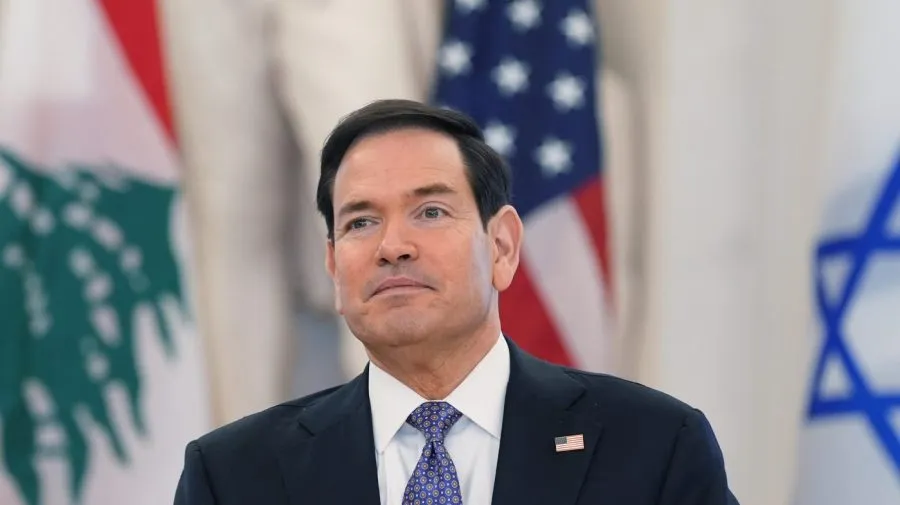
In what can only be described as the diplomatic equivalent of a group chat argument, World Health Organization chief Tedros Adhanom Ghebreyesus publicly pushed back on Wednesday against Secretary of State Marco Rubio's claim that the WHO dragged its feet on identifying an Ebola outbreak in the Democratic Republic of Congo.
Speaking from Geneva, Tedros was blunt. According to reporting by The Hill, the WHO director-general said plainly: "We don't replace the countries' work, we only support them." Translation: don't blame us for what sovereign nations are responsible for doing themselves.
What Rubio actually said
Rubio had suggested the WHO was "a little late" in flagging the Ebola situation in the DRC - a comment that raised eyebrows among global health watchers, given the long-standing and complicated relationship between the United States and the WHO. The U.S. under the Trump administration has had a contentious history with the organization, including a full withdrawal during the first term.
It's worth noting that Rubio's comments were a claim, not a verified finding from any independent review - and the WHO was quick to note as much.
How Ebola detection actually works (yes, it's complicated)
Here's the nerdy part: the WHO's role in outbreak detection is fundamentally collaborative. The organization works with national governments and their health ministries, not above them. Under International Health Regulations, it's actually member states that are obligated to report outbreaks - the WHO then steps in to coordinate, provide technical assistance, and sound the global alarm if needed.
So when an outbreak is "late" to be identified, the chain of responsibility is a lot more tangled than a simple finger-point at Geneva headquarters suggests.
Why this matters beyond the drama
The DRC has historically been one of the most challenging environments for outbreak response - ongoing conflict, difficult terrain, and strained health infrastructure all play roles. The country has dealt with more Ebola outbreaks than arguably any other nation on earth, and response efforts have involved a complex web of national authorities, NGOs, and yes, the WHO.
Rubio's comments come at a politically loaded moment, with U.S.-WHO relations still under strain and global health funding under scrutiny. Whether his critique reflects a genuine policy concern or is more of a rhetorical broadside is, shall we say, up for interpretation.
Tedros, for his part, doesn't seem interested in letting the record stand uncorrected. Cue the strongly worded press briefings.