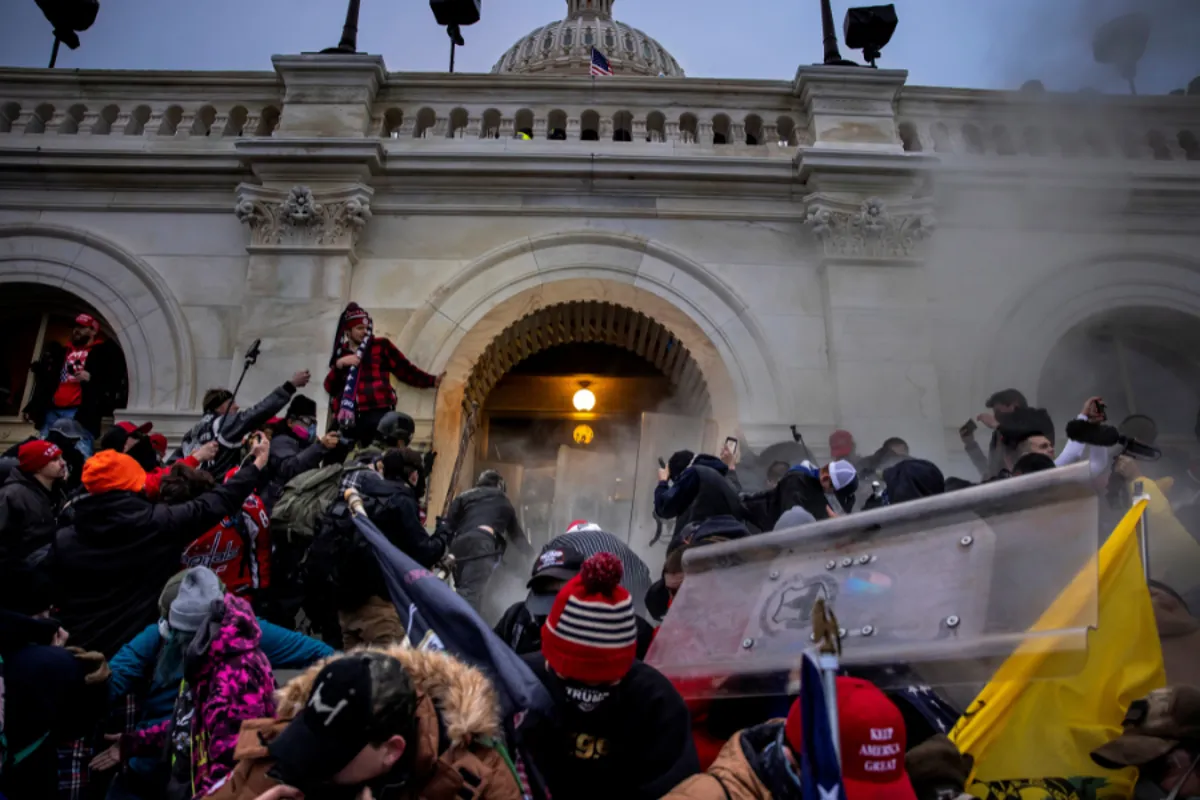
In what historians will surely describe as a completely normal and non-suspicious move, the Trump administration's Department of Justice has quietly scrubbed its website clean of news releases related to the January 6, 2021 attack on the U.S. Capitol, according to reporting by The Independent.
The purge, which officials have reportedly framed as a cleanup of so-called "partisan propaganda," represents the latest chapter in the administration's ongoing effort to reshape the public narrative around the violent siege that left lawmakers scrambling for safety and resulted in over a thousand criminal prosecutions.
What exactly got deleted?
The removed content reportedly includes years' worth of press releases detailing prosecutions, convictions, and sentencing related to the Capitol riot - a paper trail that once served as a public record of one of the most significant domestic security events in modern American history. Gone. Poof. Digital memory-holed.

To be clear: these were official government documents chronicling real court cases against real defendants who were prosecuted under real laws. Calling them "partisan propaganda" is, shall we say, a creative reframing.
A pattern, not a one-off
This isn't happening in a vacuum. The DOJ website purge fits neatly into a broader pattern of the current administration rolling back Jan. 6-related accountability measures. Earlier steps have included pardoning defendants convicted of offenses related to the attack - a move that was deeply controversial but technically within presidential authority.
Scrubbing a government agency's public-facing website, however, raises different questions - particularly around transparency, public record-keeping, and the role of federal institutions in maintaining an accurate historical record for American citizens.
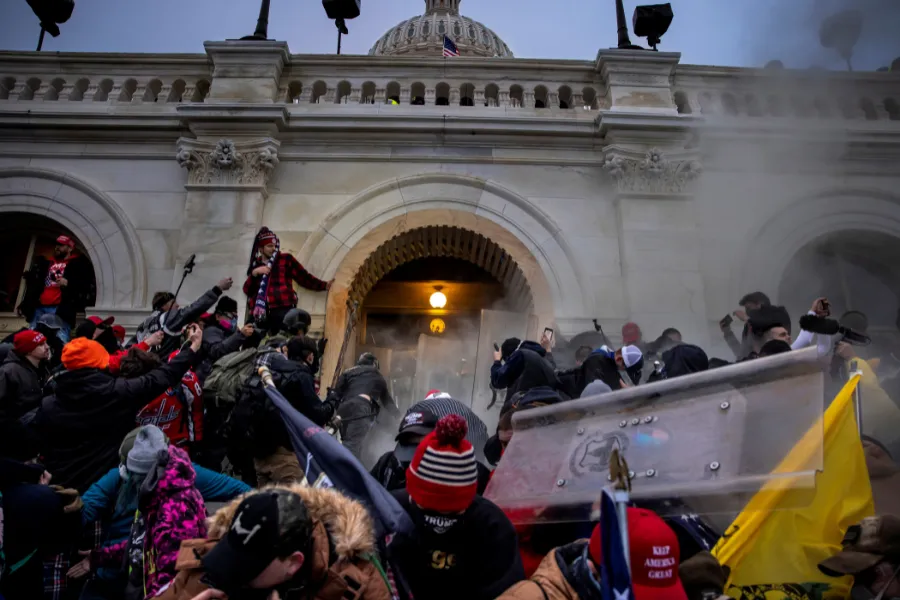
The irony is doing a lot of heavy lifting here
There is something almost poetic about labeling prosecutorial records - documents produced by career DOJ attorneys and approved by federal judges - as "partisan propaganda." These weren't opinion columns. They were press releases about people who were charged, tried, and in many cases convicted in courts of law.
Critics have pointed out that removing this information doesn't erase the underlying legal history; court records still exist. But stripping the DOJ's public-facing site of the content does make it significantly harder for ordinary citizens to access a coherent picture of what happened and who was held accountable.
The Independent reports this as the latest step in a deliberate effort to reshape the narrative - and on that point, at least, it is hard to argue. Whether you consider that effort justified or alarming probably depends a great deal on where you were on January 6, 2021, and what you thought of what you saw.