If political survival were an Olympic sport, Benjamin Netanyahu would have more gold medals than Michael Phelps. But even the greatest champions eventually face a reckoning - and according to The Guardian, that reckoning may finally be approaching for Israel's longest-serving prime minister.
So what actually happened?
On Wednesday, Israeli legislators took the first concrete steps toward dissolving the Knesset and calling fresh nationwide elections. The move signals that Netanyahu's governing coalition has lost the cohesion needed to keep the show running. Leading left-wing Knesset member Yair Golan was not exactly subtle about his feelings, reportedly calling it "the beginning of the end of the worst government in Israel's history." Bold words, even by the theatrical standards of Israeli politics.
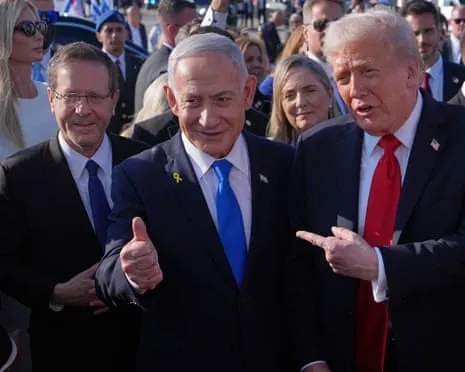
Netanyahu, who has now spent roughly 20 of the last 30 years as Israel's prime minister, is no stranger to political near-death experiences. The man has survived corruption trials, military controversies, and more coalition collapses than most politicians see in a lifetime. His opponents have declared him finished so many times that crying wolf has practically become a national pastime.
But this time feels different - maybe
The Guardian's analysis suggests that polls are tightening around Netanyahu in a way that could genuinely threaten his grip on power. The coming months, the outlet reports, may fundamentally redefine Israel's political order. The key caveat - and it is a big one - is that even fresh elections are unlikely to resolve the deeply entrenched conflicts that have driven Israeli society into increasingly bitter divisions.
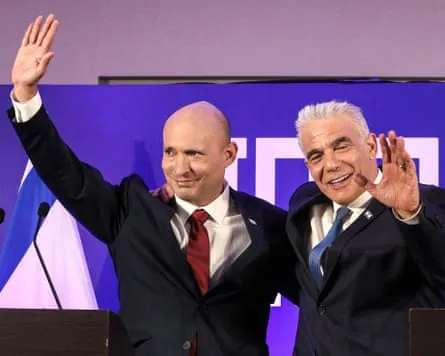
That means voters could go to the polls, potentially oust Netanyahu, install someone new, and still wake up the next morning with all the same impossible dilemmas sitting on the breakfast table alongside their coffee.
What is actually at stake
Beyond the political horse race, the collapse of this coalition reflects something more fundamental. Israel is a country navigating an ongoing military campaign in Gaza, internal social fractures over judicial reform, hostage negotiations, and mounting international pressure - all simultaneously. Whoever leads after the next election inherits a full inbox and very few easy answers.

Netanyahu has defied political gravity before. His critics have underestimated his resilience repeatedly. But with his coalition cracking and polls shifting, even his most loyal supporters would probably admit - privately, at least - that the next chapter of Israeli politics is genuinely uncertain.
Whether that uncertainty leads somewhere better is a question nobody in Jerusalem, or anywhere else, can honestly answer right now.