If you were hoping humanity was slowly growing out of its love affair with state-sponsored executions, Amnesty International has some deeply uncomfortable news for you: we are absolutely not.
According to a new report from Amnesty International, cited by NPR, the number of people killed in state-sanctioned executions worldwide soared to a 44-year high in 2025. That means the last time governments were this enthusiastic about executions, Jimmy Carter was in the White House and Star Wars had just come out. Progress!
The United States: doing the most
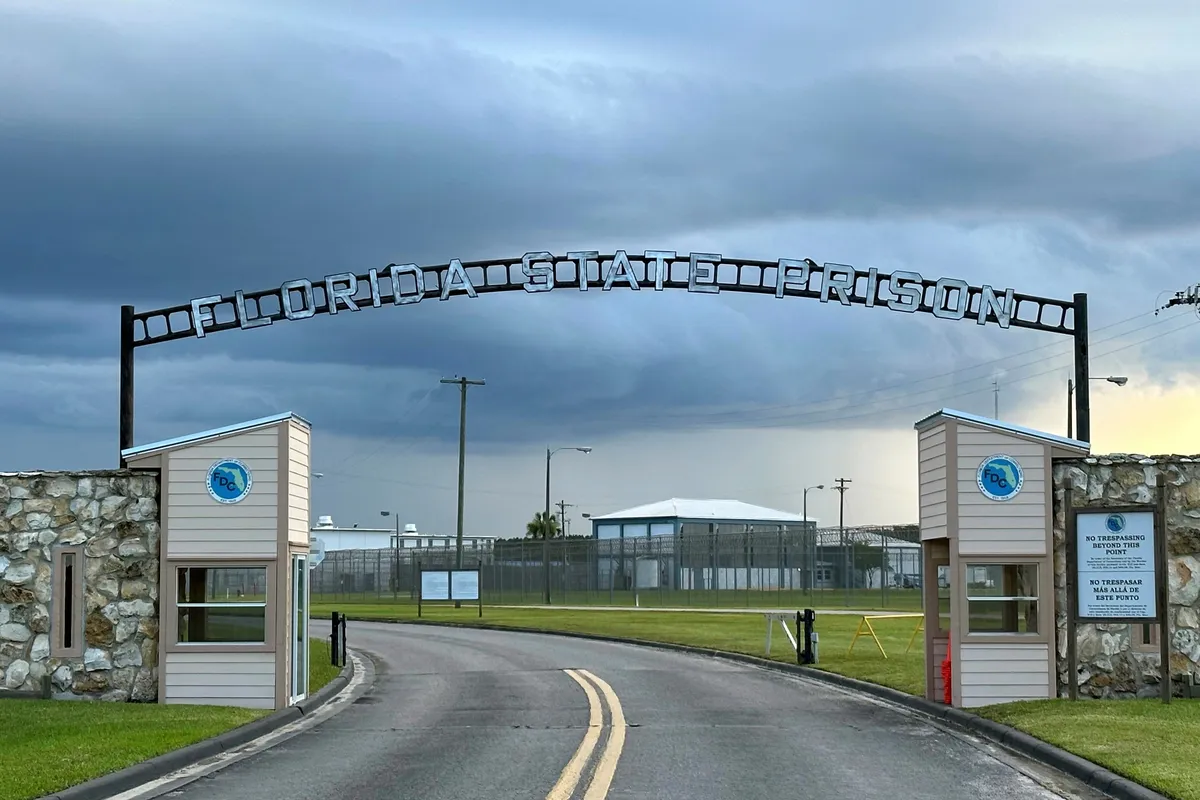
Closer to home, the U.S. nearly doubled its execution count last year - a grim overachievement that puts the country firmly in the conversation it probably does not want to be in. The report does not single out the U.S. as the world's busiest executioner (that particular crown belongs to others), but a near-doubling is the kind of growth rate that usually gets celebrated in a business meeting, not a human rights report.
A global sprint in the wrong direction
The broader global trend is equally unsettling. The spike to a 44-year record represents a sharp reversal from decades of slow, uneven, but broadly downward movement in execution numbers across much of the world. Amnesty International has tracked this data for years, and the 2025 figures stand out as a significant and troubling outlier.

It is worth noting that Amnesty's figures, while widely cited and respected, are acknowledged by the organization itself to be conservative estimates - countries like China, North Korea, and Vietnam do not exactly publish annual execution box scores. The real global number is almost certainly higher.
Why is this happening?
The report does not offer a single tidy explanation, because there isn't one. A mix of factors - political shifts toward punitive justice, erosion of legal protections in some states and countries, and a broader global lurch toward authoritarian-flavored governance in several regions - likely all play a role, according to reporting by NPR.
In the United States specifically, the acceleration follows a period of relative slowdown during the COVID-19 pandemic, when logistical and legal complications slowed the machinery of capital punishment. Some of what we're seeing may be a catch-up effect, though that framing should probably not make anyone feel better.
The takeaway
Forty-four years is a long time. The world in 1981 looked very different on a lot of fronts. The fact that state-sanctioned executions are now at their highest since then is the kind of statistic that deserves more than a shrug - and Amnesty International is clearly hoping the data does some of the heavy lifting in making that case.
Source: NPR, citing an Amnesty International report published May 2026.